
How long does it take for ice cubes to freeze
2025-04-07
How Long Does It Take for Ice Cubes to Freeze?
Have you ever found yourself in a rush, needing a cold drink right away, only to realize there aren't any ice cubes in the freezer? Understanding how long it takes for ice cubes to freeze can save you from such frustrating situations. In this blog, we'll explore the factors that affect the freezing time of ice cubes and provide some estimates to help you plan ahead.
Standard Freezing Time
Under normal circumstances, with a standard home freezer set at 0°F (-18°C), it usually takes about 3 to 4 hours for ice cubes to freeze completely. This time frame applies when you use a typical ice cube tray filled with water. However, it's important to note that this is just an average estimate, and several factors can either shorten or lengthen this time.

Factors Affecting Freezing Time:
Volume of Water
The amount of water in the ice cube tray significantly impacts the freezing time. Larger ice cubes, containing more water, will naturally take longer to freeze. For instance, if you use a large, novelty ice cube mold, it could take 6 to 8 hours or even longer for the ice to solidify. On the other hand, smaller ice cubes with less water content will freeze more quickly.
Freezer Temperature
The temperature of your freezer plays a crucial role. If your freezer is set at a lower temperature than the standard 0°F (-18°C), ice cubes will freeze faster. Conversely, if the freezer is warmer, perhaps due to frequent door openings or a malfunction, the freezing process will slow down. For example, if the freezer temperature is closer to 5°F (-15°C), it may take 5 to 6 hours for ice cubes to freeze.
Starting Temperature of Water
The temperature of the water you pour into the ice cube tray matters too. Hot water actually freezes faster than cold water in some cases, a phenomenon known as the Mpemba effect. Although the exact reason is still debated, it's thought that hot water evaporates more quickly, reducing its volume, and may also disrupt the formation of ice nuclei. Nevertheless, for most practical purposes, starting with cold water is a better option. Cold tap water will generally freeze in the 3 to 4 - hour range, while lukewarm water may take a bit longer.

Tips to Speed Up the Freezing Process
-
Use Shallow Trays: Opt for shallow ice cube trays as they expose more surface area of the water to the cold air in the freezer. This allows heat to dissipate more quickly, reducing the freezing time.
-
Keep the Freezer Organized: A cluttered freezer can impede air circulation, making it less efficient. Make sure there's enough space around the ice cube trays for cold air to flow freely.
Conclusion
So, the next time you're planning a party or simply want a refreshing cold drink, you can estimate how long it will take to make ice cubes. By considering the volume of water, freezer temperature, and starting temperature of the water, you can ensure that your ice cubes are ready when you need them. Remember, the standard 3 to 4 hours can vary, but with these tips, you'll be well on your way to having perfectly frozen ice cubes at your disposal.
How to make clear ice cubes in silicone molds
Are silicone pacifiers safe
Related Article

When your baby starts to switch to solid food, choosing the right feeding tools is an important part of keeping meal times safe, healthy and stress-free. Among all the essential items for baby feeding, silicone baby bowls have quickly become the favorite of modern parents around the world.But why is it so important to choose the right silicone baby bowl? So how should parents screen?Let's get started.
Why choosing the right silicone baby bowl is so important

Choosing the right cup for your baby is frustrating for many new parents. From safety to durability to ease of cleaning, every detail is related to the product your baby uses every day. In recent years, silicone baby cups have become increasingly popular among parents around the world. But are they really better than traditional glasses? How do you choose the right one for your child?This guide will tell you everything you need to know.
How to Choose a Suitable Silicone Cup for Your Baby
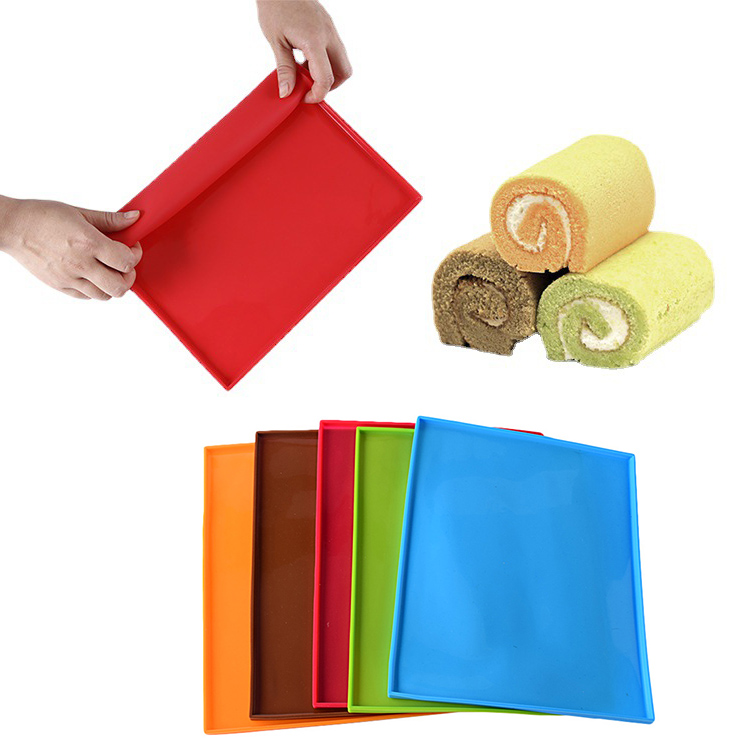
If you enjoy baking at home, you know how convenient a good silicone baking mat can be. From cookies to roasted vegetables to dough kneading, it offers a reusable, eco-friendly alternative to parchment paper.
A common question many bakers ask is: Can silicone baking mats go in the dishwasher?
The answer is yes—but there are a few things you should know to keep your mat clean, safe, and long-lasting. Let’s take a look.
A common question many bakers ask is: Can silicone baking mats go in the dishwasher?
The answer is yes—but there are a few things you should know to keep your mat clean, safe, and long-lasting. Let’s take a look.
can silicone baking mats go in the dishwasher

If you love cooking, you probably appreciate the comfort and convenience that silicone utensils bring to your kitchen. From flexible spatulas to heat-resistant spoons, they make stirring, flipping, and mixing much easier. But when it’s time to clean up, one question often comes up: Are silicone utensils dishwasher safe?
The short answer — yes! But let’s take a closer look at why silicone utensils are not only safe for dishwashers but also one of the smartest choices for a modern kitchen.
The short answer — yes! But let’s take a closer look at why silicone utensils are not only safe for dishwashers but also one of the smartest choices for a modern kitchen.
are silicone utensils dishwasher safe
SEND MESSAGE