
How to remove adhesive hooks from wall
2025-03-25
How to remove adhesive hooks from wall
In our daily lives, adhesive hooks are incredibly convenient. Among them, silicone adhesive hooks have become a popular choice due to their unique features. These hooks are designed with a smooth surface and can be easily attached to smooth materials like glass, tiles without the use of glue. What's more, they can be removed just as easily without causing damage to the wall. If you're looking to remove an normal adhesive hook from your wall, here's a step - by - step guide.
Step 1: Prepare the Tools
Before you start the removal process, gather a few simple tools. You'll need a plastic scraper or a credit card - like thin, flat object. These will help you gently pry the hook away from the wall. Also, have a soft cloth and some warm water ready. In case there's any residue left on the wall after removing the hook, you can use the cloth dampened with warm water to clean it.

Step 2: Loosen the Hook
Begin by carefully grasping the base of the adhesive hook. Gently start to lift one corner of the hook away from the wall. Be patient and work slowly. If you find that the hook is stubborn, you can use the plastic scraper or the edge of the credit card to carefully insert between the hook and the wall at the lifted corner. This will help to break the seal that holds the hook in place. Apply a little more pressure, but be extremely careful not to scratch the wall.
Step 3: Remove the Hook Completely
Once one corner is lifted, continue to slowly peel the hook off the wall. Move your hand along the length of the hook, carefully separating it from the wall surface. The smooth surface of the silicone hook and its non - glue attachment method make this process relatively easy. In most cases, the hook will come off in one piece without leaving a large amount of residue immediately.

Step 4: Check for Residue
After removing the hook, closely examine the wall surface. Sometimes, a very thin layer of residue might be left behind. This residue is usually easy to clean. Dampen the soft cloth with warm water and gently rub the area where the hook was attached. The warm water will help to soften the residue, making it easier to wipe away. If the residue is a bit more stubborn, you can add a small amount of mild dish soap to the water on the cloth. But be cautious when using soap, as some types might react with the wall paint or surface material.
Step 5: Finish and Inspect
Once you've cleaned the area and removed all the residue, dry the wall with a clean, dry cloth. Take a final look at the wall to ensure that there are no marks, scratches, or remaining residue. The beauty of silicone adhesive hooks is that, when removed correctly, they leave the wall looking as good as it did before the hook was installed.

Silicone adhesive hooks offer a convenient and damage - free way to hang items on walls. By following these simple steps, you can remove them easily and keep your walls in great condition. Whether you're redecorating or just need to reposition a hook, this guide will help you get the job done smoothly.
Are silicone bibs dishwasher safe
How to use bath scrubber
Related Article

When your baby starts to switch to solid food, choosing the right feeding tools is an important part of keeping meal times safe, healthy and stress-free. Among all the essential items for baby feeding, silicone baby bowls have quickly become the favorite of modern parents around the world.But why is it so important to choose the right silicone baby bowl? So how should parents screen?Let's get started.
Why choosing the right silicone baby bowl is so important

Choosing the right cup for your baby is frustrating for many new parents. From safety to durability to ease of cleaning, every detail is related to the product your baby uses every day. In recent years, silicone baby cups have become increasingly popular among parents around the world. But are they really better than traditional glasses? How do you choose the right one for your child?This guide will tell you everything you need to know.
How to Choose a Suitable Silicone Cup for Your Baby
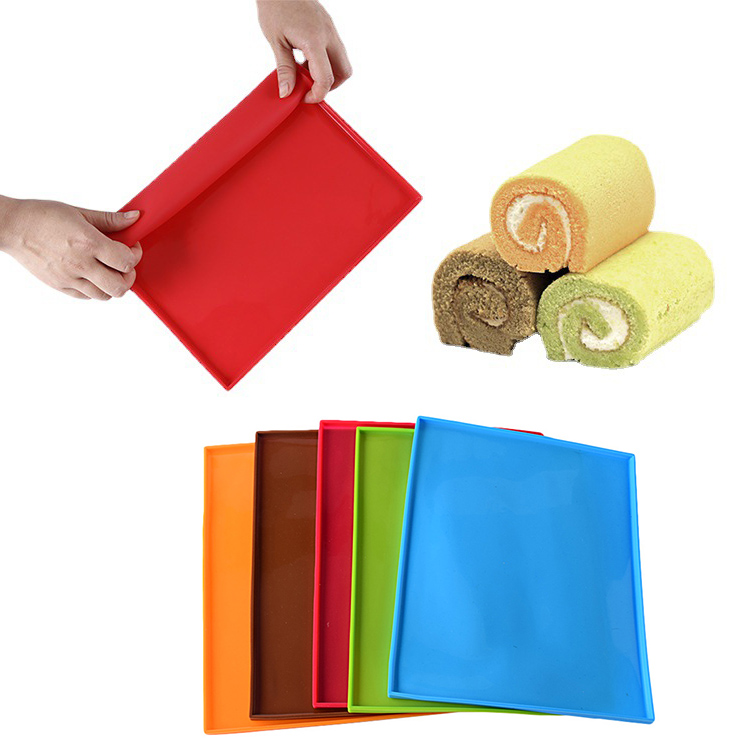
If you enjoy baking at home, you know how convenient a good silicone baking mat can be. From cookies to roasted vegetables to dough kneading, it offers a reusable, eco-friendly alternative to parchment paper.
A common question many bakers ask is: Can silicone baking mats go in the dishwasher?
The answer is yes—but there are a few things you should know to keep your mat clean, safe, and long-lasting. Let’s take a look.
A common question many bakers ask is: Can silicone baking mats go in the dishwasher?
The answer is yes—but there are a few things you should know to keep your mat clean, safe, and long-lasting. Let’s take a look.
can silicone baking mats go in the dishwasher

If you love cooking, you probably appreciate the comfort and convenience that silicone utensils bring to your kitchen. From flexible spatulas to heat-resistant spoons, they make stirring, flipping, and mixing much easier. But when it’s time to clean up, one question often comes up: Are silicone utensils dishwasher safe?
The short answer — yes! But let’s take a closer look at why silicone utensils are not only safe for dishwashers but also one of the smartest choices for a modern kitchen.
The short answer — yes! But let’s take a closer look at why silicone utensils are not only safe for dishwashers but also one of the smartest choices for a modern kitchen.
are silicone utensils dishwasher safe
SEND MESSAGE