
How to use silicone muffin pan
2025-03-24
How to Use a Silicone Muffin Pan: A Complete Guide
Silicone muffin pans have revolutionized baking in many home kitchens. Their flexibility, non - stick properties, and heat resistance make them a favorite among bakers. But if you're new to using one, you might be wondering how to make the most of this handy baking tool. Here's a step - by - step guide on how to use a silicone muffin pan effectively.
Preparation Before Baking
-
Inspect the Pan
Before using your silicone muffin pan for the first time, give it a thorough inspection. Check for any signs of damage, such as tears or holes. Although silicone is a durable material, it's better to catch any potential issues early. If you notice any defects, it's advisable to replace the pan to ensure successful baking.
-
Clean the Pan
Wash the silicone muffin pan with warm, soapy water. This not only removes any manufacturing residues but also gets the pan ready for use. You can use a soft sponge or cloth for cleaning. After washing, rinse the pan thoroughly and let it air - dry. If you're in a hurry, you can also use a clean towel to pat it dry.

Making and Pouring the Muffin Batter
-
Prepare Your Favorite Muffin Recipe
Whether you're making classic blueberry muffins, chocolate chip muffins, or something more adventurous like savory cheese muffins, follow your trusted recipe. Make sure all your ingredients are at the appropriate temperature. For example, eggs and butter should be at room temperature for better mixing.
-
Mix the Batter
Using a mixer or a whisk, combine the ingredients according to the recipe instructions. Be careful not to over - mix the batter, especially when making muffins. Over - mixing can cause the muffins to be tough. Stop mixing as soon as the ingredients are just combined.
-
Pour the Batter into the Pan
Once your batter is ready, use a spoon or a ladle to pour it into the silicone muffin cups. Fill each cup about two - thirds full. This allows enough room for the muffins to rise during baking without overflowing. If you want more uniform - sized muffins, you can use a measuring cup to pour an equal amount of batter into each cup.

Baking the Muffins
-
Preheat the Oven
Preheat your oven to the temperature specified in your muffin recipe. This step is crucial as it ensures that the muffins bake evenly. Most muffin recipes call for an oven temperature between 350°F (175°C) and 400°F (200°C).
-
Place the Pan in the Oven
Carefully place the silicone muffin pan in the preheated oven. Make sure it's centered on the oven rack for even baking. Since silicone is a good heat conductor, the muffins should bake evenly without the need for rotating the pan halfway through the baking process in most cases. However, keep an eye on them, especially if your oven has hot spots.
-
Monitor the Baking Time
Refer to your recipe for the recommended baking time. Start checking the muffins a few minutes before the suggested time is up. You can tell if the muffins are done by inserting a toothpick or a cake tester into the center of a muffin. If it comes out clean or with just a few crumbs attached, the muffins are ready.

Removing the Muffins from the Pan
-
Let the Muffins Cool Slightly
Once the muffins are baked, remove the silicone muffin pan from the oven and place it on a wire rack. Let the muffins cool in the pan for a few minutes. This allows them to set a bit more, making it easier to remove them without breaking.
-
Ease the Muffins Out of the Pan
After a few minutes of cooling, gently push up on the bottom of each silicone muffin cup. The flexibility of the silicone allows the muffins to easily release from the pan. If a muffin seems stuck, you can use a small, thin - bladed knife to gently loosen it around the edges.
-
Cool the Muffins Completely
Transfer the muffins to a wire rack to cool completely. This step is important if you plan to frost or glaze the muffins later. If the muffins are still warm when you add the frosting, it will melt and not set properly.

Cleaning and Storing the Silicone Muffin Pan
-
Cleaning After Use
After the muffins are removed, clean the silicone muffin pan as soon as possible. Wash it with warm, soapy water again. If there are any stubborn bits of batter left in the cups, you can soak the pan in soapy water for a few minutes before scrubbing gently with a soft sponge. The pan is also dishwasher - safe, which makes cleaning even more convenient.
-
Storing the Pan
Once the pan is clean and dry, store it in a dry place. You can stack it with other bakeware or hang it on a hook if you have the space. Avoid storing it in a damp environment, as this can lead to the growth of mold or mildew over time.
Using a silicone muffin pan can make baking muffins a breeze. By following these simple steps for preparation, baking, and cleaning, you'll be able to enjoy delicious, perfectly - shaped muffins every time.
what is the best body scrubber
Are silicone spatula safe
Related Article

When your baby starts to switch to solid food, choosing the right feeding tools is an important part of keeping meal times safe, healthy and stress-free. Among all the essential items for baby feeding, silicone baby bowls have quickly become the favorite of modern parents around the world.But why is it so important to choose the right silicone baby bowl? So how should parents screen?Let's get started.
Why choosing the right silicone baby bowl is so important

Choosing the right cup for your baby is frustrating for many new parents. From safety to durability to ease of cleaning, every detail is related to the product your baby uses every day. In recent years, silicone baby cups have become increasingly popular among parents around the world. But are they really better than traditional glasses? How do you choose the right one for your child?This guide will tell you everything you need to know.
How to Choose a Suitable Silicone Cup for Your Baby
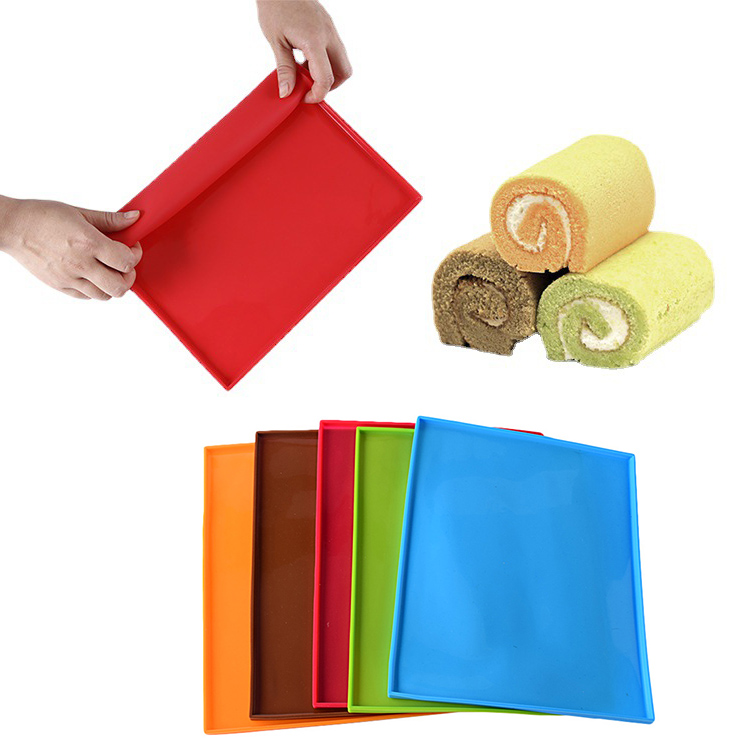
If you enjoy baking at home, you know how convenient a good silicone baking mat can be. From cookies to roasted vegetables to dough kneading, it offers a reusable, eco-friendly alternative to parchment paper.
A common question many bakers ask is: Can silicone baking mats go in the dishwasher?
The answer is yes—but there are a few things you should know to keep your mat clean, safe, and long-lasting. Let’s take a look.
A common question many bakers ask is: Can silicone baking mats go in the dishwasher?
The answer is yes—but there are a few things you should know to keep your mat clean, safe, and long-lasting. Let’s take a look.
can silicone baking mats go in the dishwasher

If you love cooking, you probably appreciate the comfort and convenience that silicone utensils bring to your kitchen. From flexible spatulas to heat-resistant spoons, they make stirring, flipping, and mixing much easier. But when it’s time to clean up, one question often comes up: Are silicone utensils dishwasher safe?
The short answer — yes! But let’s take a closer look at why silicone utensils are not only safe for dishwashers but also one of the smartest choices for a modern kitchen.
The short answer — yes! But let’s take a closer look at why silicone utensils are not only safe for dishwashers but also one of the smartest choices for a modern kitchen.
are silicone utensils dishwasher safe
SEND MESSAGE