
When can I give my baby frozen fruit teether
2025-04-15
When Can I Give My Baby a Frozen Fruit Teether?
As a parent, you're likely eager to soothe your baby's sore gums during the teething phase. Frozen fruit teethers might seem like a refreshing solution, but timing is crucial. Let's dive into when it's safe to introduce this teething aid.

Signs Your Baby is Ready
Typically, babies start teething around 6 months, though it can vary widely. Look for these cues: constant drooling, excessive gum rubbing, fussiness, and loss of appetite. If your little one is showing these signs and has started sitting up with support (usually around 6-8 months), they might be ready for a frozen fruit teether.
Developmental Milestones Matter
Before introducing any new oral stimulation, ensure your baby has good head control and can bring objects to their mouth independently. Babies should also have started exploring textures with their gums—this usually coincides with the introduction of pureed solids around 6 months. If your baby isn't reaching for objects or still has a strong tongue thrust reflex (pushing items out of their mouth), hold off.

Safety First: Timing Considerations
While frozen fruits can numb sore gums, they pose choking risks. Wait until your baby has mastered chewing and swallowing semi-solid foods (around 8-10 months) before using soft fruits like bananas or peeled peaches in a mesh feeder. Harder fruits like apples or carrots should only be used when your baby has several teeth and can grind food effectively.
Alternatives for Early Teethers
If your baby is showing teething signs before 6 months, opt for chilled silicone teethers or cold washcloths. These options offer relief without the risk of choking. Remember to always supervise your baby during teething sessions, no matter what they’re chewing on.

In conclusion, the right time to give your baby a frozen fruit teether depends on their developmental readiness, not just age. Prioritize safety by waiting for key milestones and always monitor your baby's chewing. With the right timing, a frozen fruit teether can be a delicious and soothing addition to your teething toolkit.
How to clean silicone face scrubber
How to fill ice ball mold
Related Article

When your baby starts to switch to solid food, choosing the right feeding tools is an important part of keeping meal times safe, healthy and stress-free. Among all the essential items for baby feeding, silicone baby bowls have quickly become the favorite of modern parents around the world.But why is it so important to choose the right silicone baby bowl? So how should parents screen?Let's get started.
Why choosing the right silicone baby bowl is so important

Choosing the right cup for your baby is frustrating for many new parents. From safety to durability to ease of cleaning, every detail is related to the product your baby uses every day. In recent years, silicone baby cups have become increasingly popular among parents around the world. But are they really better than traditional glasses? How do you choose the right one for your child?This guide will tell you everything you need to know.
How to Choose a Suitable Silicone Cup for Your Baby
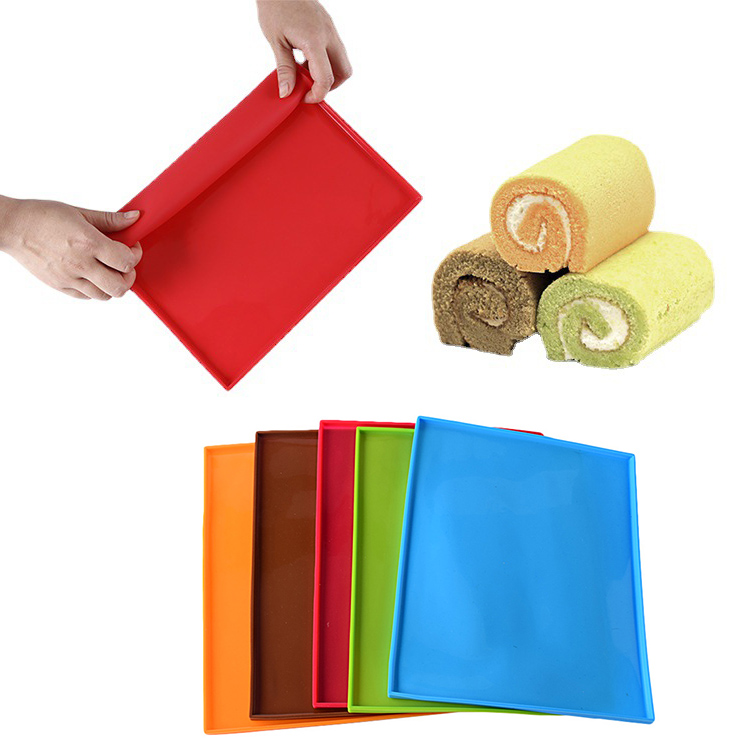
If you enjoy baking at home, you know how convenient a good silicone baking mat can be. From cookies to roasted vegetables to dough kneading, it offers a reusable, eco-friendly alternative to parchment paper.
A common question many bakers ask is: Can silicone baking mats go in the dishwasher?
The answer is yes—but there are a few things you should know to keep your mat clean, safe, and long-lasting. Let’s take a look.
A common question many bakers ask is: Can silicone baking mats go in the dishwasher?
The answer is yes—but there are a few things you should know to keep your mat clean, safe, and long-lasting. Let’s take a look.
can silicone baking mats go in the dishwasher

If you love cooking, you probably appreciate the comfort and convenience that silicone utensils bring to your kitchen. From flexible spatulas to heat-resistant spoons, they make stirring, flipping, and mixing much easier. But when it’s time to clean up, one question often comes up: Are silicone utensils dishwasher safe?
The short answer — yes! But let’s take a closer look at why silicone utensils are not only safe for dishwashers but also one of the smartest choices for a modern kitchen.
The short answer — yes! But let’s take a closer look at why silicone utensils are not only safe for dishwashers but also one of the smartest choices for a modern kitchen.
are silicone utensils dishwasher safe
SEND MESSAGE