
when do babies start teething
2025-03-13
When Do Babies Start Teething
As a new parent, one of the many milestones you'll eagerly anticipate is your baby's first tooth. Teething is an important developmental stage for infants, but it can also be a challenging time for both baby and parents. So, when exactly do babies start teething? Let's explore this topic in detail.
Typical Teething Age
Most babies begin teething around 6 months of age. However, this can vary widely. Some babies may start as early as 3 months, while others might not get their first tooth until they're closer to 12 months old. In fact, it's considered normal for teething to start anywhere between 4 and 12 months. The first teeth to appear are usually the two bottom front teeth, also known as the central incisors. Shortly after, the two upper front teeth, or upper central incisors, typically start to break through the gums.

Factors Affecting Teething Time
There are several factors that can influence when a baby starts teething. Genetics play a significant role. If one or both parents had early or late teething as infants, it's likely that their baby will follow a similar pattern. Additionally, a baby's overall health and nutrition can impact teething. Babies who are well - nourished and in good health are more likely to reach teething milestones on time. Premature babies may start teething later than full - term babies. Breastfed babies may also have a slightly different teething timeline compared to formula - fed babies, although the difference is not usually significant.

Signs of Teething
As your baby approaches the teething stage, you may notice some tell - tale signs. One of the most common signs is increased drooling. The extra saliva can cause a rash around the baby's mouth. Babies may also become more irritable than usual as the emerging teeth cause discomfort in their gums. They might start chewing on everything they can get their hands on, such as their fingers, toys, or pacifiers. Some babies may have trouble sleeping, and you may notice them waking up more frequently at night. In some cases, babies may even have a low - grade fever or a loss of appetite during teething.

How to Help Your Teething Baby
During this challenging time, there are several things you can do to soothe your teething baby. Providing a clean, cold teething ring can offer relief to the tender gums. You can also gently massage your baby's gums with a clean finger. Cold foods like chilled bananas or yogurt (if your baby has started solids) can also be helpful. However, it's important to avoid giving your baby anything too hard to chew on, as this could cause injury. If your baby's discomfort seems severe, consult your pediatrician, who may recommend a safe over - the - counter pain reliever.
In conclusion, while the average age for babies to start teething is around 6 months, every baby is unique. By being aware of the signs of teething and knowing how to comfort your little one, you can help make this developmental stage a little easier for both you and your baby.
when do babies start wearing bibs
Related Article

When your baby starts to switch to solid food, choosing the right feeding tools is an important part of keeping meal times safe, healthy and stress-free. Among all the essential items for baby feeding, silicone baby bowls have quickly become the favorite of modern parents around the world.But why is it so important to choose the right silicone baby bowl? So how should parents screen?Let's get started.
Why choosing the right silicone baby bowl is so important

Choosing the right cup for your baby is frustrating for many new parents. From safety to durability to ease of cleaning, every detail is related to the product your baby uses every day. In recent years, silicone baby cups have become increasingly popular among parents around the world. But are they really better than traditional glasses? How do you choose the right one for your child?This guide will tell you everything you need to know.
How to Choose a Suitable Silicone Cup for Your Baby
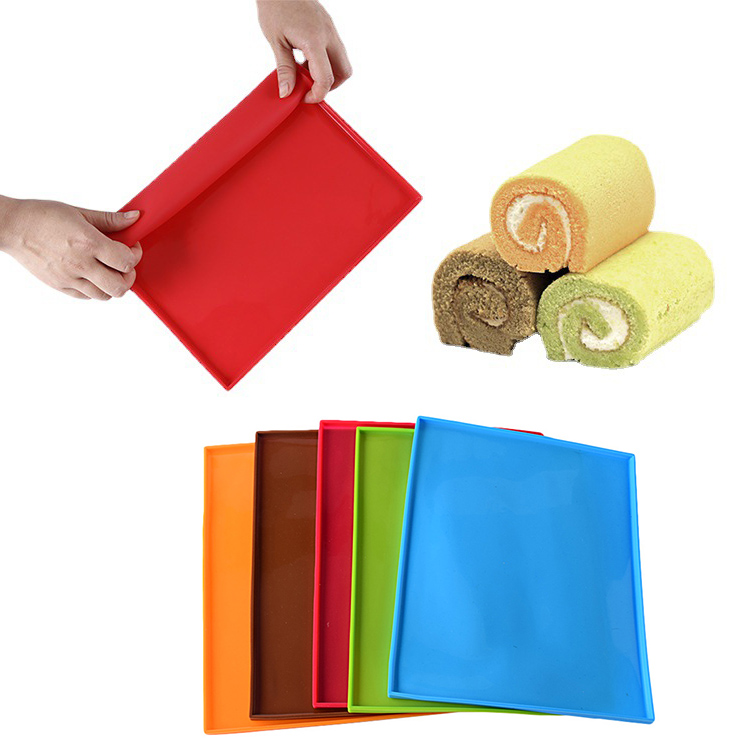
If you enjoy baking at home, you know how convenient a good silicone baking mat can be. From cookies to roasted vegetables to dough kneading, it offers a reusable, eco-friendly alternative to parchment paper.
A common question many bakers ask is: Can silicone baking mats go in the dishwasher?
The answer is yes—but there are a few things you should know to keep your mat clean, safe, and long-lasting. Let’s take a look.
A common question many bakers ask is: Can silicone baking mats go in the dishwasher?
The answer is yes—but there are a few things you should know to keep your mat clean, safe, and long-lasting. Let’s take a look.
can silicone baking mats go in the dishwasher

If you love cooking, you probably appreciate the comfort and convenience that silicone utensils bring to your kitchen. From flexible spatulas to heat-resistant spoons, they make stirring, flipping, and mixing much easier. But when it’s time to clean up, one question often comes up: Are silicone utensils dishwasher safe?
The short answer — yes! But let’s take a closer look at why silicone utensils are not only safe for dishwashers but also one of the smartest choices for a modern kitchen.
The short answer — yes! But let’s take a closer look at why silicone utensils are not only safe for dishwashers but also one of the smartest choices for a modern kitchen.
are silicone utensils dishwasher safe
SEND MESSAGE