
When do babies start using sippy cups
2025-03-18
When Do Babies Start Using Sippy Cups?
As a parent, you're constantly navigating through the various milestones of your baby's development. One such milestone that often comes up is the transition from a bottle or breastfeeding to using a sippy cup. But the question remains: when do babies start using sippy cups?
The Ideal Starting Point
Most babies are ready to start experimenting with a sippy cup between 6 and 9 months old. Around this time, they begin to develop the necessary motor skills and coordination. They can usually sit up unassisted, which is crucial for using a sippy cup properly. Their hand - eye coordination also starts to improve, allowing them to grasp the cup and bring it to their mouths.
Signs Your Baby is Ready
-
Showing Interest: If your baby shows curiosity when you're drinking from a cup or tries to reach for your glass, it could be a sign that they're interested in using a sippy cup.
-
Good Head and Neck Control: Babies need to have sufficient head and neck control to hold a sippy cup without spilling too much. By 6 months, many babies have developed this control.
-
Beginning to Teethe: As babies start teething, which often occurs around 6 - 9 months, they may find the sucking motion of a bottle or breast less comfortable. A sippy cup offers a different way to consume liquids.
Benefits of Using a Sippy Cup
-
Oral Motor Development: Using a sippy cup helps strengthen the muscles in a baby's mouth, cheeks, and tongue. This is important for speech development as well as proper chewing and swallowing.
-
Transition to Independence: It's a step towards your baby becoming more independent. They can learn to drink on their own terms, which boosts their confidence.
-
Preventing Dental Issues: Prolonged use of a bottle can lead to dental problems such as "bottle mouth" or tooth decay. Sippy cups, especially those with a spill - proof design, can help wean your baby off the bottle and reduce these risks.

Tips for Introducing a Sippy Cup
-
Start Slowly: Offer the sippy cup during mealtimes, filled with a small amount of water at first. Don't be discouraged if your baby doesn't take to it right away. It may take several tries.
-
Choose the Right Cup: There are various types of sippy cups available, from ones with soft spouts to those with hard spouts or straws. Start with a soft - spouted cup as it's more similar to the feel of a nipple.
-
Model the Behavior: Babies learn a lot by imitation. Drink from your own cup in front of your baby to show them how it's done.

In conclusion, while the general age range for starting a sippy cup is 6 - 9 months, every baby is unique. Pay attention to your baby's cues and readiness, and with a little patience and guidance, the transition to a sippy cup can be a smooth one.
How to defrost breast milk bags
How to clean silicone body scrubber
Related Article

When your baby starts to switch to solid food, choosing the right feeding tools is an important part of keeping meal times safe, healthy and stress-free. Among all the essential items for baby feeding, silicone baby bowls have quickly become the favorite of modern parents around the world.But why is it so important to choose the right silicone baby bowl? So how should parents screen?Let's get started.
Why choosing the right silicone baby bowl is so important

Choosing the right cup for your baby is frustrating for many new parents. From safety to durability to ease of cleaning, every detail is related to the product your baby uses every day. In recent years, silicone baby cups have become increasingly popular among parents around the world. But are they really better than traditional glasses? How do you choose the right one for your child?This guide will tell you everything you need to know.
How to Choose a Suitable Silicone Cup for Your Baby
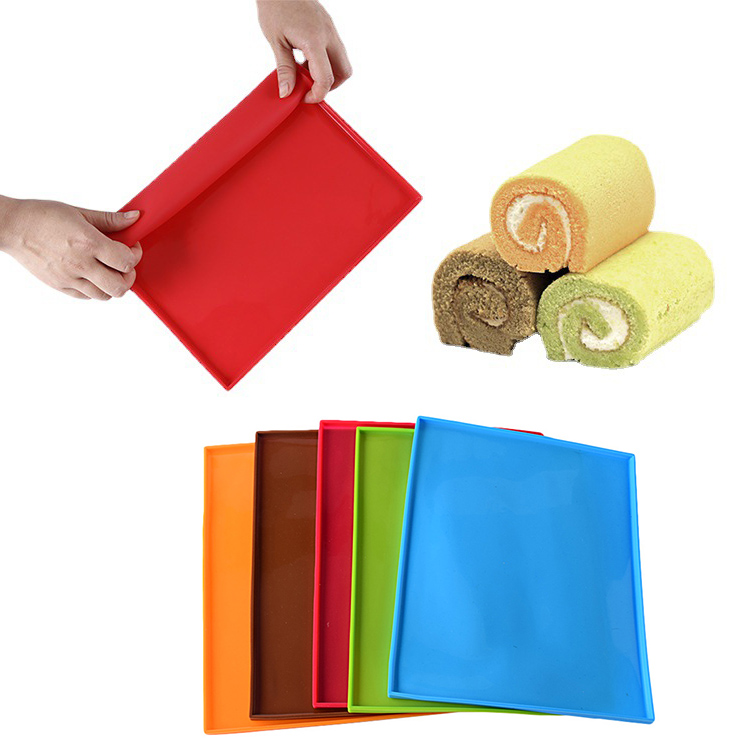
If you enjoy baking at home, you know how convenient a good silicone baking mat can be. From cookies to roasted vegetables to dough kneading, it offers a reusable, eco-friendly alternative to parchment paper.
A common question many bakers ask is: Can silicone baking mats go in the dishwasher?
The answer is yes—but there are a few things you should know to keep your mat clean, safe, and long-lasting. Let’s take a look.
A common question many bakers ask is: Can silicone baking mats go in the dishwasher?
The answer is yes—but there are a few things you should know to keep your mat clean, safe, and long-lasting. Let’s take a look.
can silicone baking mats go in the dishwasher

If you love cooking, you probably appreciate the comfort and convenience that silicone utensils bring to your kitchen. From flexible spatulas to heat-resistant spoons, they make stirring, flipping, and mixing much easier. But when it’s time to clean up, one question often comes up: Are silicone utensils dishwasher safe?
The short answer — yes! But let’s take a closer look at why silicone utensils are not only safe for dishwashers but also one of the smartest choices for a modern kitchen.
The short answer — yes! But let’s take a closer look at why silicone utensils are not only safe for dishwashers but also one of the smartest choices for a modern kitchen.
are silicone utensils dishwasher safe
SEND MESSAGE