
Are silicone cooking utensils safe
2025-04-23
Are Silicone Cooking Utensils Safe? Unveiling the Truth
In recent years, silicone cooking utensils have become increasingly popular in kitchens around the world. Their flexibility, heat resistance, and vibrant colors make them an attractive choice for home cooks and professional chefs alike. However, as with any kitchen tool, concerns about their safety have emerged. In this blog post, we'll explore the question: Are silicone cooking utensils safe?

The Basics of Silicone
Silicone is a synthetic rubber made from silicon, oxygen, carbon, and hydrogen. It's a versatile material that's used in a wide range of products, from medical devices to baby products. In the kitchen, silicone is used to make everything from spatulas and tongs to baking mats and molds. One of the key advantages of silicone is its high heat resistance. Most silicone cooking utensils can withstand temperatures of up to 450°F (232°C), making them suitable for use in the oven, on the stovetop, and even in the microwave.
Safety Considerations
When it comes to the safety of silicone cooking utensils, there are several factors to consider. First and foremost, it's important to choose high-quality, food-grade silicone products. Food-grade silicone is non-toxic and free from harmful chemicals such as BPA, phthalates, and lead. These chemicals have been linked to a variety of health problems, including hormonal imbalances and developmental issues. To ensure you're purchasing safe silicone cooking utensils, look for products that are labeled as "FDA-approved" or "LFGB-certified."
Another safety concern is the potential for silicone to leach chemicals into food. While studies have shown that food-grade silicone is generally safe and does not leach harmful chemicals under normal cooking conditions, there is a risk of leaching if the silicone is exposed to high temperatures for extended periods of time or if it's damaged or scratched. To minimize this risk, avoid using silicone cooking utensils with sharp objects or abrasive cleaners, and replace them if they become damaged or worn.
Cleaning and Maintenance
Proper cleaning and maintenance are also important for ensuring the safety of silicone cooking utensils. Silicone is a non-porous material, which means it doesn't absorb food odors, flavors, or stains. It's also dishwasher-safe, making it easy to clean. However, to prevent the growth of bacteria and mold, it's important to dry silicone cooking utensils thoroughly after washing them. Avoid storing wet silicone utensils in a closed container, as this can create a breeding ground for bacteria.

Conclusion
In conclusion, silicone cooking utensils can be a safe and practical addition to your kitchen, as long as you choose high-quality, food-grade products and use them properly. By following the tips outlined in this blog post, you can enjoy the many benefits of silicone cooking utensils without worrying about their safety. So go ahead and add some colorful silicone spatulas, tongs, and baking mats to your kitchen – your cooking will thank you!
Which is safer nylon or silicone cooking utensils
Are black spatulas toxic
Related Article

When your baby starts to switch to solid food, choosing the right feeding tools is an important part of keeping meal times safe, healthy and stress-free. Among all the essential items for baby feeding, silicone baby bowls have quickly become the favorite of modern parents around the world.But why is it so important to choose the right silicone baby bowl? So how should parents screen?Let's get started.
Why choosing the right silicone baby bowl is so important

Choosing the right cup for your baby is frustrating for many new parents. From safety to durability to ease of cleaning, every detail is related to the product your baby uses every day. In recent years, silicone baby cups have become increasingly popular among parents around the world. But are they really better than traditional glasses? How do you choose the right one for your child?This guide will tell you everything you need to know.
How to Choose a Suitable Silicone Cup for Your Baby
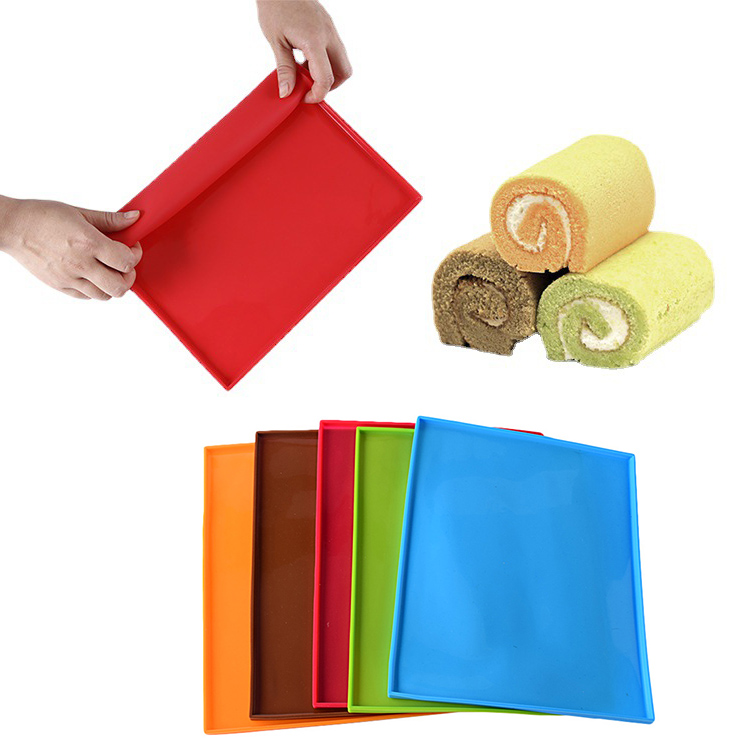
If you enjoy baking at home, you know how convenient a good silicone baking mat can be. From cookies to roasted vegetables to dough kneading, it offers a reusable, eco-friendly alternative to parchment paper.
A common question many bakers ask is: Can silicone baking mats go in the dishwasher?
The answer is yes—but there are a few things you should know to keep your mat clean, safe, and long-lasting. Let’s take a look.
A common question many bakers ask is: Can silicone baking mats go in the dishwasher?
The answer is yes—but there are a few things you should know to keep your mat clean, safe, and long-lasting. Let’s take a look.
can silicone baking mats go in the dishwasher

If you love cooking, you probably appreciate the comfort and convenience that silicone utensils bring to your kitchen. From flexible spatulas to heat-resistant spoons, they make stirring, flipping, and mixing much easier. But when it’s time to clean up, one question often comes up: Are silicone utensils dishwasher safe?
The short answer — yes! But let’s take a closer look at why silicone utensils are not only safe for dishwashers but also one of the smartest choices for a modern kitchen.
The short answer — yes! But let’s take a closer look at why silicone utensils are not only safe for dishwashers but also one of the smartest choices for a modern kitchen.
are silicone utensils dishwasher safe
SEND MESSAGE