
Are silicone utensils safe
2025-05-06
Are Silicone Utensils Safe? Unveiling the Truth Behind Your Kitchen Tools
In recent years, silicone utensils have become a popular choice in modern kitchens, praised for their flexibility, durability, and vibrant colors. However, concerns about their safety have also emerged, leaving many consumers wondering: Are silicone utensils truly safe? Let’s delve into the science and facts to find out.
The Basics of Silicone Material
Silicone is a synthetic rubber made from silicon, oxygen, carbon, and hydrogen. Unlike organic rubber, which is derived from plants, silicone is inorganic and created through a chemical process. This material is heat-resistant, non-reactive, and doesn’t contain harmful chemicals like BPA (Bisphenol A), phthalates, or lead. These inherent properties make silicone an ideal candidate for kitchenware, as it can withstand high temperatures without warping or melting and won’t leach toxic substances into your food.

Safety Standards and Scientific Research
Silicone utensils have been extensively tested and approved by regulatory bodies around the world. In the United States, the Food and Drug Administration (FDA) has classified food-grade silicone as a safe material for direct food contact. Similarly, the European Food Safety Authority (EFSA) has also deemed it suitable for use in kitchen products. Scientific studies have shown that under normal cooking and baking conditions, silicone utensils remain stable and do not release harmful chemicals into food, ensuring that your meals stay safe and healthy.
Advantages of Using Silicone Utensils
One of the key benefits of silicone utensils is their excellent heat resistance. They can typically withstand temperatures ranging from -40°F to 446°F (-40°C to 230°C), making them suitable for various cooking methods, including baking, frying, and boiling. Additionally, silicone is non-stick, which means it won’t scratch your cookware, helping to extend the lifespan of your pots and pans. Cleaning silicone utensils is also a breeze; they are dishwasher-safe and resistant to stains and odors, ensuring hygiene in your kitchen.

Proper Usage and Maintenance
While silicone utensils are generally safe, proper usage and maintenance are crucial. Avoid exposing them to extremely high temperatures beyond their rated limits, as this could potentially degrade the material. Also, refrain from using sharp objects on silicone utensils, as cuts and scratches can harbor bacteria and affect their performance. Regularly inspect your utensils for any signs of wear and tear, and replace them when necessary to maintain their safety and functionality.

Conclusion
In conclusion, when made from food-grade materials and used correctly, silicone utensils are indeed safe for everyday use in the kitchen. Their numerous advantages, combined with their compliance with strict safety standards, make them a reliable choice for cooking enthusiasts. So, the next time you’re shopping for kitchen tools, feel free to add silicone utensils to your cart with confidence, knowing that they are both practical and secure for preparing delicious meals for you and your family.
Can silicone go in the oven
How to get rid of baby hiccups
Related Article

When your baby starts to switch to solid food, choosing the right feeding tools is an important part of keeping meal times safe, healthy and stress-free. Among all the essential items for baby feeding, silicone baby bowls have quickly become the favorite of modern parents around the world.But why is it so important to choose the right silicone baby bowl? So how should parents screen?Let's get started.
Why choosing the right silicone baby bowl is so important

Choosing the right cup for your baby is frustrating for many new parents. From safety to durability to ease of cleaning, every detail is related to the product your baby uses every day. In recent years, silicone baby cups have become increasingly popular among parents around the world. But are they really better than traditional glasses? How do you choose the right one for your child?This guide will tell you everything you need to know.
How to Choose a Suitable Silicone Cup for Your Baby
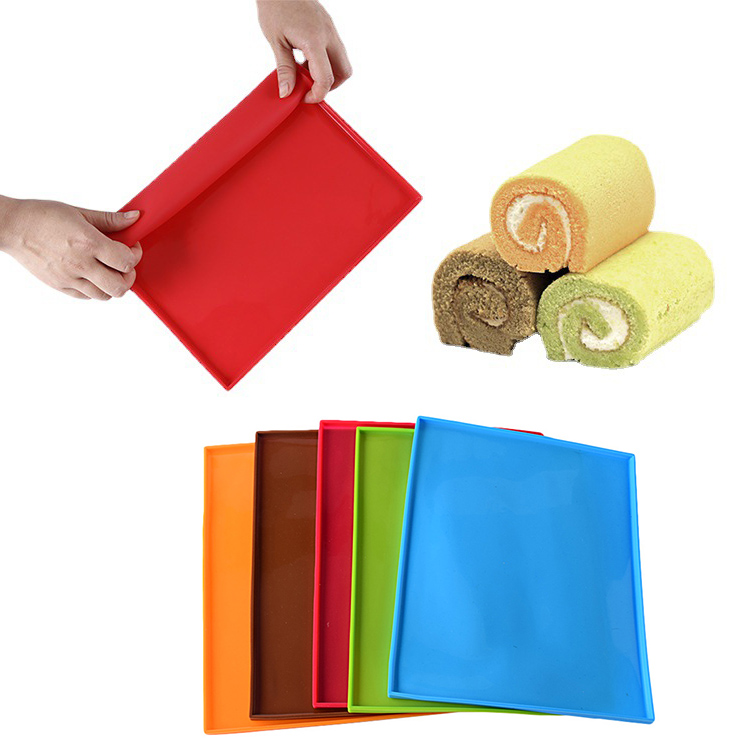
If you enjoy baking at home, you know how convenient a good silicone baking mat can be. From cookies to roasted vegetables to dough kneading, it offers a reusable, eco-friendly alternative to parchment paper.
A common question many bakers ask is: Can silicone baking mats go in the dishwasher?
The answer is yes—but there are a few things you should know to keep your mat clean, safe, and long-lasting. Let’s take a look.
A common question many bakers ask is: Can silicone baking mats go in the dishwasher?
The answer is yes—but there are a few things you should know to keep your mat clean, safe, and long-lasting. Let’s take a look.
can silicone baking mats go in the dishwasher

If you love cooking, you probably appreciate the comfort and convenience that silicone utensils bring to your kitchen. From flexible spatulas to heat-resistant spoons, they make stirring, flipping, and mixing much easier. But when it’s time to clean up, one question often comes up: Are silicone utensils dishwasher safe?
The short answer — yes! But let’s take a closer look at why silicone utensils are not only safe for dishwashers but also one of the smartest choices for a modern kitchen.
The short answer — yes! But let’s take a closer look at why silicone utensils are not only safe for dishwashers but also one of the smartest choices for a modern kitchen.
are silicone utensils dishwasher safe
SEND MESSAGE