
Are toothbrush holders sanitary
2025-05-08
Are Toothbrush Holders Sanitary? Unveiling the Truth and Best Practices
In the daily routine of maintaining oral hygiene, toothbrush holders often go unnoticed, but they play a crucial role in the cleanliness of our toothbrushes. The question “Are toothbrush holders sanitary?” has been a topic of debate among many. Let’s delve into this issue to understand the reality and explore ways to keep our toothbrush holders clean and hygienic.

The Truth About Toothbrush Holder Hygiene
At first glance, toothbrush holders seem like simple containers to keep our toothbrushes upright and organized. However, they can become breeding grounds for bacteria, mold, and other microorganisms. The moist environment inside a toothbrush holder, created by the residual water dripping from wet toothbrushes, provides an ideal condition for these germs to thrive.
Moreover, toothbrush holders are frequently placed in bathrooms, which are generally humid areas. The combination of moisture and warmth in bathrooms accelerates the growth of bacteria. When we place our toothbrushes back into the holder after use, the bristles can easily pick up these contaminants, and the next time we brush our teeth, we might unknowingly introduce these harmful microorganisms into our mouths.
The Health Risks Associated with Unsanitary Toothbrush Holders
Using a toothbrush that has been stored in an unsanitary holder can pose several health risks. Bacteria such as E. coli and Streptococcus can accumulate in toothbrush holders. These bacteria can cause various oral health problems, including gum infections, cavities, and bad breath. In some cases, if the bacteria enter the bloodstream through small cuts or sores in the mouth, it can lead to more serious health issues, especially for individuals with weakened immune systems.
Mold growth in toothbrush holders is another concern. Mold spores, when inhaled or ingested, can trigger allergic reactions and respiratory problems. This makes it essential to ensure that our toothbrush holders are as clean as possible to safeguard our overall health.

How to Keep Toothbrush Holders Sanitary
Thankfully, there are several steps we can take to maintain the sanitation of our toothbrush holders. First and foremost, regular cleaning is key. Wash the toothbrush holder with hot, soapy water at least once a week. For a more thorough clean, you can soak it in a solution of white vinegar and water (equal parts) for about 15 - 20 minutes. This acidic solution helps to kill bacteria and remove any stubborn stains or mineral deposits.
After cleaning, make sure to dry the toothbrush holder completely before placing the toothbrushes back in. This helps to prevent the recurrence of a moist environment that encourages bacterial growth. Additionally, consider choosing a toothbrush holder with drainage holes or a design that allows air circulation. Such holders can help the toothbrushes dry faster, reducing the likelihood of bacteria and mold formation.
Another tip is to replace toothbrushes regularly, typically every three to four months, or sooner if the bristles are frayed. This reduces the amount of bacteria that accumulates on the toothbrush over time, and in turn, minimizes the contamination of the toothbrush holder.
Choosing a Sanitary Toothbrush Holder
When shopping for a toothbrush holder, opt for materials that are easy to clean and resistant to bacteria. Silicone, stainless steel, ceramic, and certain types of plastics are good choices. Avoid holders with intricate designs or crevices where dirt and moisture can easily get trapped. Wall-mounted holders can also be a great option as they keep the toothbrushes off the countertop, reducing the chance of contact with other bathroom contaminants.

In conclusion, while toothbrush holders have the potential to become unsanitary, with proper care and maintenance, we can ensure that they remain clean and safe. By following the tips mentioned above, from regular cleaning to choosing the right type of holder, we can protect our oral health and prevent the spread of harmful bacteria. So, the next time you reach for your toothbrush, take a moment to consider the hygiene of your toothbrush holder and make it a part of your oral care routine.
How to install toothbrush holder
How do I add extra storage to my bathroom
Related Article

When your baby starts to switch to solid food, choosing the right feeding tools is an important part of keeping meal times safe, healthy and stress-free. Among all the essential items for baby feeding, silicone baby bowls have quickly become the favorite of modern parents around the world.But why is it so important to choose the right silicone baby bowl? So how should parents screen?Let's get started.
Why choosing the right silicone baby bowl is so important

Choosing the right cup for your baby is frustrating for many new parents. From safety to durability to ease of cleaning, every detail is related to the product your baby uses every day. In recent years, silicone baby cups have become increasingly popular among parents around the world. But are they really better than traditional glasses? How do you choose the right one for your child?This guide will tell you everything you need to know.
How to Choose a Suitable Silicone Cup for Your Baby
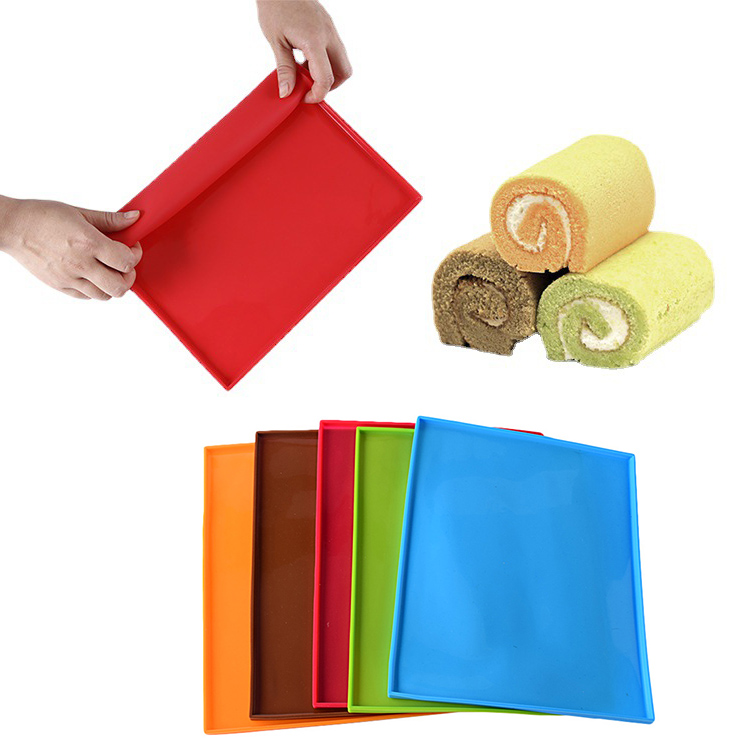
If you enjoy baking at home, you know how convenient a good silicone baking mat can be. From cookies to roasted vegetables to dough kneading, it offers a reusable, eco-friendly alternative to parchment paper.
A common question many bakers ask is: Can silicone baking mats go in the dishwasher?
The answer is yes—but there are a few things you should know to keep your mat clean, safe, and long-lasting. Let’s take a look.
A common question many bakers ask is: Can silicone baking mats go in the dishwasher?
The answer is yes—but there are a few things you should know to keep your mat clean, safe, and long-lasting. Let’s take a look.
can silicone baking mats go in the dishwasher

If you love cooking, you probably appreciate the comfort and convenience that silicone utensils bring to your kitchen. From flexible spatulas to heat-resistant spoons, they make stirring, flipping, and mixing much easier. But when it’s time to clean up, one question often comes up: Are silicone utensils dishwasher safe?
The short answer — yes! But let’s take a closer look at why silicone utensils are not only safe for dishwashers but also one of the smartest choices for a modern kitchen.
The short answer — yes! But let’s take a closer look at why silicone utensils are not only safe for dishwashers but also one of the smartest choices for a modern kitchen.
are silicone utensils dishwasher safe
SEND MESSAGE