
Are wooden spoons better than silicone
2025-04-24
Are Wooden Spoons Better Than Silicone? A Comprehensive Comparison
In the world of kitchen utensils, the debate between wooden spoons and silicone spoons has been ongoing for quite some time. Both have their own unique advantages and drawbacks, and the choice between them often depends on personal preferences and specific cooking needs. Let's take a closer look at the key aspects to determine whether wooden spoons truly are better than silicone ones.

1. Material Safety and Health
One of the primary concerns when choosing kitchen utensils is their impact on health. Wooden spoons are typically made from natural materials like bamboo, maple, or olive wood. These materials are non-toxic and do not leach harmful chemicals into your food, even when exposed to high temperatures. This makes them a great option for those who prioritize a healthy and chemical-free cooking environment.
On the other hand, high-quality silicone spoons are also considered safe for cooking. They are usually made from food-grade silicone, which is heat-resistant and does not release any toxic substances. When purchasing silicone spoons, it’s crucial to opt for reputable brands to ensure safety. Overall, in terms of material safety, wooden spoons have a slight edge due to their completely natural origin.
2. Heat Resistance and Cooking Performance
Wooden spoons have excellent heat resistance properties. They do not conduct heat, so you can comfortably hold them while stirring hot soups, sauces, or stews without burning your hands. Moreover, they won't scratch non-stick cookware, making them a reliable companion for delicate pans. However, wooden spoons may absorb odors and flavors over time, especially when used with strongly flavored ingredients like garlic or onions.
Silicone spoons also perform well in high-temperature cooking environments. They can withstand high heat without melting or warping, with many being safe to use up to temperatures of 400°F (204°C) or even higher. Their flexibility allows for easy scraping of the sides and bottoms of pots and pans, ensuring you get every last bit of sauce or batter. Unlike wooden spoons, silicone spoons are less likely to absorb flavors and odors, which can be a significant advantage for those who cook a variety of dishes.

3. Durability and Maintenance
Wooden spoons are durable, but they require proper care to maintain their quality. They should be hand-washed with mild soap and dried thoroughly to prevent warping, cracking, or mold growth. Avoid soaking them in water for extended periods or putting them in the dishwasher. With proper care, a wooden spoon can last for years. However, over time, they may develop scratches or become discolored, which can affect their appearance.
Silicone spoons are extremely durable and low-maintenance. They are dishwasher-safe, which makes cleaning a breeze. They are resistant to stains, odors, and bacteria, and are less likely to crack or break compared to wooden spoons. Their long lifespan and easy maintenance make them a convenient choice for busy home cooks.
4. Environmental Impact
From an environmental perspective, wooden spoons have a clear advantage. They are a renewable resource, as trees can be replanted, and when they eventually reach the end of their life, they are biodegradable. Choosing wooden spoons can contribute to a more sustainable kitchen.
Silicone is durable and can be reused for a long time, it is not biodegradable. When silicone spoons are discarded, they can end up in landfills, contributing to environmental waste. However, some brands are now producing silicone utensils from recycled materials, which helps to reduce their environmental impact.

Conclusion
So, are wooden spoons better than silicone spoons? The answer isn't straightforward. Wooden spoons excel in terms of material safety and environmental friendliness, making them a great choice for those who value natural, sustainable products. They are also gentle on cookware and offer good heat resistance. However, they require more care in maintenance.
Silicone spoons, on the other hand, are highly durable, easy to clean, and perform well in high-temperature cooking. They are less likely to absorb flavors and odors, making them suitable for a wide range of cooking tasks. However, concerns about the environmental impact of synthetic materials and the need to choose high-quality products for safety remain.
Ultimately, the choice between wooden and silicone spoons comes down to your personal priorities, cooking habits, and values. You might even consider having both in your kitchen, using wooden spoons for certain tasks and silicone spoons for others to enjoy the best of both worlds.
How do you use chocolate molds
How to clean silicone plates
Related Article

When your baby starts to switch to solid food, choosing the right feeding tools is an important part of keeping meal times safe, healthy and stress-free. Among all the essential items for baby feeding, silicone baby bowls have quickly become the favorite of modern parents around the world.But why is it so important to choose the right silicone baby bowl? So how should parents screen?Let's get started.
Why choosing the right silicone baby bowl is so important

Choosing the right cup for your baby is frustrating for many new parents. From safety to durability to ease of cleaning, every detail is related to the product your baby uses every day. In recent years, silicone baby cups have become increasingly popular among parents around the world. But are they really better than traditional glasses? How do you choose the right one for your child?This guide will tell you everything you need to know.
How to Choose a Suitable Silicone Cup for Your Baby
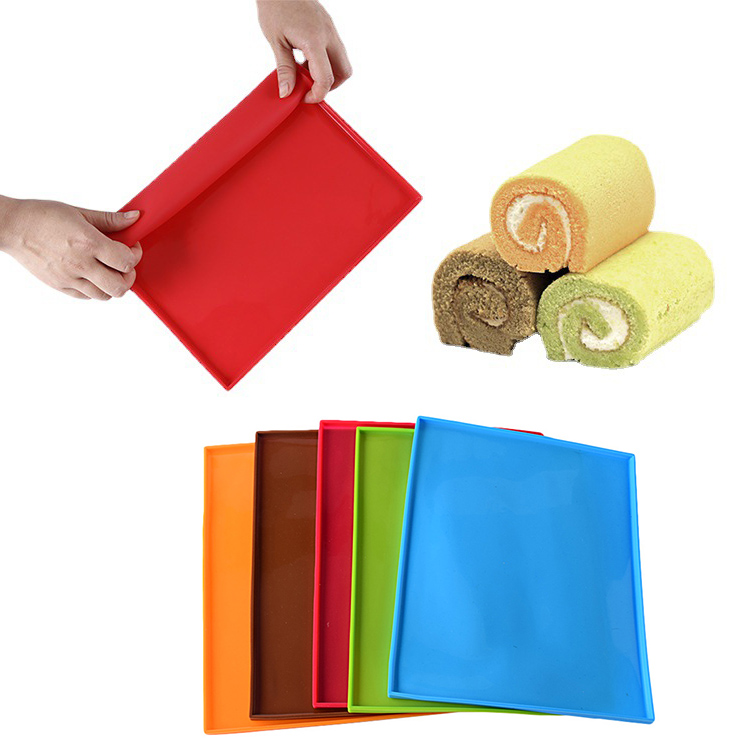
If you enjoy baking at home, you know how convenient a good silicone baking mat can be. From cookies to roasted vegetables to dough kneading, it offers a reusable, eco-friendly alternative to parchment paper.
A common question many bakers ask is: Can silicone baking mats go in the dishwasher?
The answer is yes—but there are a few things you should know to keep your mat clean, safe, and long-lasting. Let’s take a look.
A common question many bakers ask is: Can silicone baking mats go in the dishwasher?
The answer is yes—but there are a few things you should know to keep your mat clean, safe, and long-lasting. Let’s take a look.
can silicone baking mats go in the dishwasher

If you love cooking, you probably appreciate the comfort and convenience that silicone utensils bring to your kitchen. From flexible spatulas to heat-resistant spoons, they make stirring, flipping, and mixing much easier. But when it’s time to clean up, one question often comes up: Are silicone utensils dishwasher safe?
The short answer — yes! But let’s take a closer look at why silicone utensils are not only safe for dishwashers but also one of the smartest choices for a modern kitchen.
The short answer — yes! But let’s take a closer look at why silicone utensils are not only safe for dishwashers but also one of the smartest choices for a modern kitchen.
are silicone utensils dishwasher safe
SEND MESSAGE