
Can chocolate mold
2025-05-12
Can Chocolate Get Moldy? Unveiling the Truth
The Intriguing Question
Chocolate, with its rich and indulgent flavor, is a beloved treat enjoyed by people around the world. But have you ever wondered, can chocolate get moldy? The answer might surprise you. While chocolate is known for its relatively long shelf life compared to many other foods, it is not immune to the growth of mold under certain conditions.

Chocolate's Natural Defense Against Mold
Chocolate is primarily composed of cocoa solids, cocoa butter, sugar, and sometimes milk or other ingredients. These components, especially the sugar and fat content, create an environment that is not overly conducive to mold growth under normal circumstances. Mold thrives in moist, warm conditions, and chocolate, when properly stored, tends to be dry and stored at temperatures that inhibit mold spore germination.
Humidity: The Culprit Behind Moldy Chocolate
However, when chocolate is exposed to high humidity levels, it can absorb moisture from the air. Once moisture penetrates the chocolate, it provides the ideal damp environment that mold needs to grow. This is particularly common in humid climates or if chocolate is stored in places like the bathroom or near a sink. Additionally, if chocolate comes into contact with water directly, such as getting wet during transportation or accidental spillage, mold growth can occur rapidly.
Temperature Woes and Mold Formation
Another factor that can contribute to moldy chocolate is improper storage temperatures. While chocolate doesn't require refrigeration in most cases, storing it in a hot, stuffy place can cause the cocoa butter to melt and then re-solidify unevenly. This physical change can sometimes create small crevices or areas where moisture can accumulate, paving the way for mold.

Identifying Mold and Health Risks
If you notice a fuzzy, discolored patch on your chocolate, it's likely mold. Common types of mold that can grow on chocolate include Aspergillus and Penicillium. Once mold has started to grow on chocolate, it's crucial not to consume it. Mold produces mycotoxins, which can be harmful to human health and may cause various symptoms ranging from mild digestive discomfort to more serious health issues in the long run.
Essential Tips for Mold-Free Chocolate Storage
To prevent your chocolate from getting moldy, proper storage is key. Keep chocolate in a cool, dry place away from direct sunlight and sources of heat and moisture. A pantry or a cupboard is usually a good storage location. If you live in an extremely hot or humid area, you can store chocolate in the refrigerator, but make sure to wrap it tightly in an airtight container or plastic wrap to prevent condensation from forming when you take it out.

Conclusion: Safe Chocolate Enjoyment
In conclusion, while chocolate doesn't mold as easily as some other foods, it can indeed get moldy under the wrong storage conditions. By being mindful of how you store your chocolate and regularly checking for any signs of spoilage, you can ensure that every bite of this delicious treat is as safe as it is enjoyable.
How to make a chocolate mold
Where to put toothbrush holder in bathroom
Related Article

When your baby starts to switch to solid food, choosing the right feeding tools is an important part of keeping meal times safe, healthy and stress-free. Among all the essential items for baby feeding, silicone baby bowls have quickly become the favorite of modern parents around the world.But why is it so important to choose the right silicone baby bowl? So how should parents screen?Let's get started.
Why choosing the right silicone baby bowl is so important

Choosing the right cup for your baby is frustrating for many new parents. From safety to durability to ease of cleaning, every detail is related to the product your baby uses every day. In recent years, silicone baby cups have become increasingly popular among parents around the world. But are they really better than traditional glasses? How do you choose the right one for your child?This guide will tell you everything you need to know.
How to Choose a Suitable Silicone Cup for Your Baby
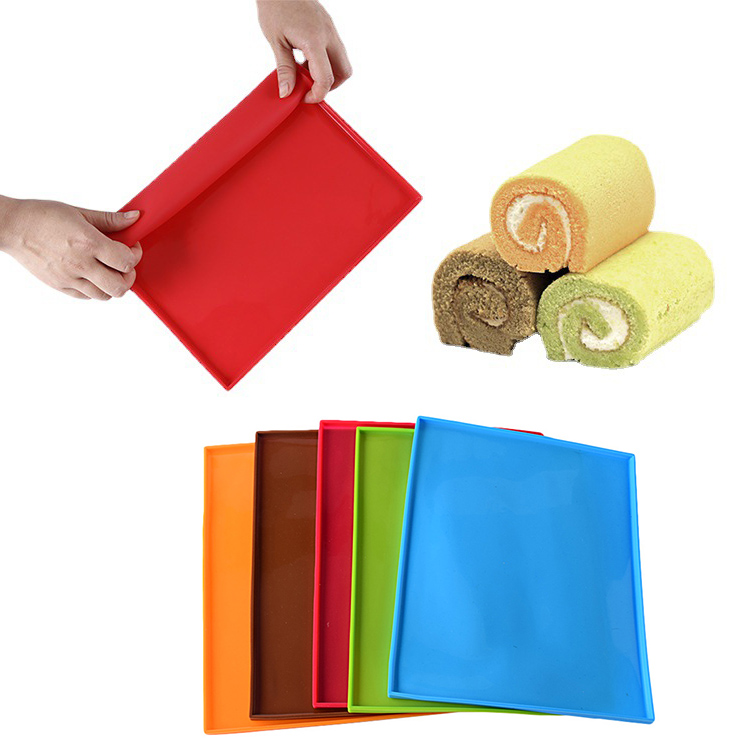
If you enjoy baking at home, you know how convenient a good silicone baking mat can be. From cookies to roasted vegetables to dough kneading, it offers a reusable, eco-friendly alternative to parchment paper.
A common question many bakers ask is: Can silicone baking mats go in the dishwasher?
The answer is yes—but there are a few things you should know to keep your mat clean, safe, and long-lasting. Let’s take a look.
A common question many bakers ask is: Can silicone baking mats go in the dishwasher?
The answer is yes—but there are a few things you should know to keep your mat clean, safe, and long-lasting. Let’s take a look.
can silicone baking mats go in the dishwasher

If you love cooking, you probably appreciate the comfort and convenience that silicone utensils bring to your kitchen. From flexible spatulas to heat-resistant spoons, they make stirring, flipping, and mixing much easier. But when it’s time to clean up, one question often comes up: Are silicone utensils dishwasher safe?
The short answer — yes! But let’s take a closer look at why silicone utensils are not only safe for dishwashers but also one of the smartest choices for a modern kitchen.
The short answer — yes! But let’s take a closer look at why silicone utensils are not only safe for dishwashers but also one of the smartest choices for a modern kitchen.
are silicone utensils dishwasher safe
SEND MESSAGE