
Can you freeze cupcakes
2025-05-15
Can you freeze cupcakes? The Ultimate Guide
If you've ever found yourself with a surplus of freshly baked cupcakes, you might be wondering, “Can you freeze cupcakes?” The good news is, yes, you can! Freezing cupcakes is a convenient way to preserve their deliciousness for later, whether you're planning ahead for a party or simply don't want to indulge all at once. In this comprehensive guide, we'll walk you through the process of freezing cupcakes, ensuring they taste as good as the day they were baked.

Why Freeze Cupcakes?
There are several reasons why freezing cupcakes can be a great idea. Firstly, it allows you to make a large batch of cupcakes in advance, saving you time and effort when you need them for an event or gathering. Secondly, if you have a sweet tooth but don't want to overindulge, freezing cupcakes means you can enjoy one or two at a time without the rest going to waste. Additionally, freezing can extend the shelf life of cupcakes, preventing them from drying out or spoiling quickly.
Preparing Cupcakes for Freezing
Before you pop your cupcakes into the freezer, there are a few important steps to take to ensure they freeze well and maintain their quality.
Cool Completely
The first and most crucial step is to let your cupcakes cool completely. Hot or warm cupcakes will release steam when placed in an airtight container, which can lead to condensation and a soggy texture. Allow the cupcakes to cool on a wire rack for at least an hour, or until they reach room temperature.
Frost or Not?
You might be wondering whether it's better to freeze cupcakes with or without frosting. The answer depends on personal preference and the type of frosting you've used. Buttercream and cream cheese frosting freeze well and can be applied before freezing. However, whipped cream frosting doesn't freeze as well and may become grainy or lose its texture when thawed. If you've used whipped cream frosting, it's best to freeze the cupcakes unfrosted and add the frosting just before serving.
Wrap Individually
To prevent your cupcakes from sticking together and to protect them from freezer burn, it's important to wrap each cupcake individually. You can use plastic wrap or aluminum foil to wrap the cupcakes tightly, making sure to cover them completely. If you're short on time, you can also place the cupcakes in a single layer in an airtight container, separating them with parchment paper or wax paper.

Freezing Cupcakes
Once your cupcakes are prepared, it's time to freeze them. Here's how:
Choose the Right Container
Select a freezer-safe container or bag that is large enough to hold your cupcakes without squishing them. Make sure the container is airtight to prevent freezer burn and maintain the quality of the cupcakes. You can use plastic freezer bags, plastic containers with tight-fitting lids, or even muffin tins covered with plastic wrap.
Label and Date
To keep track of how long your cupcakes have been in the freezer, it's a good idea to label the container with the date you froze them. This will help you ensure that you consume the cupcakes within a reasonable timeframe and that they still taste fresh.
Freeze
Place the container or bag of cupcakes in the freezer and make sure it's positioned flat. This will prevent the cupcakes from getting squished and will help them freeze evenly. Cupcakes can be frozen for up to 3 months, although they will taste best if consumed within the first month.

Thawing Cupcakes
When you're ready to enjoy your frozen cupcakes, it's important to thaw them properly to restore their texture and flavor. Here's how:
Remove from the Freezer
Take the cupcakes out of the freezer and remove them from the container or bag. If you've wrapped the cupcakes individually, you can leave the plastic wrap or aluminum foil on for now.
Thaw at Room Temperature
Allow the cupcakes to thaw at room temperature for about 30 minutes to an hour, or until they are completely thawed. Avoid using the microwave to thaw cupcakes, as this can cause them to become unevenly heated and may result in a soggy texture.
Frost and Serve
If you froze your cupcakes unfrosted, now is the time to add the frosting. Once the cupcakes are frosted, they're ready to be served and enjoyed!

Tips for Freezing Cupcakes
-
Use high-quality ingredients: Using fresh, high-quality ingredients will ensure that your cupcakes taste great even after being frozen and thawed.
-
Avoid overcrowding: When freezing cupcakes, make sure to leave enough space between them to allow for proper air circulation. Overcrowding can cause the cupcakes to freeze unevenly and may result in a poor texture.
-
Test a cupcake: Before serving your frozen cupcakes to guests, it's a good idea to test one first to make sure it tastes as good as you remember. This will give you a chance to adjust the thawing time or make any necessary changes to the frosting.
In conclusion, freezing cupcakes is a great way to preserve their deliciousness for later. By following the steps outlined in this guide, you can ensure that your cupcakes freeze well and taste just as good as the day they were baked. So go ahead and bake a big batch of cupcakes – you can enjoy them whenever you want!
How many calories in a cupcake
What flavor are red velvet cupcakes
Related Article

When your baby starts to switch to solid food, choosing the right feeding tools is an important part of keeping meal times safe, healthy and stress-free. Among all the essential items for baby feeding, silicone baby bowls have quickly become the favorite of modern parents around the world.But why is it so important to choose the right silicone baby bowl? So how should parents screen?Let's get started.
Why choosing the right silicone baby bowl is so important

Choosing the right cup for your baby is frustrating for many new parents. From safety to durability to ease of cleaning, every detail is related to the product your baby uses every day. In recent years, silicone baby cups have become increasingly popular among parents around the world. But are they really better than traditional glasses? How do you choose the right one for your child?This guide will tell you everything you need to know.
How to Choose a Suitable Silicone Cup for Your Baby
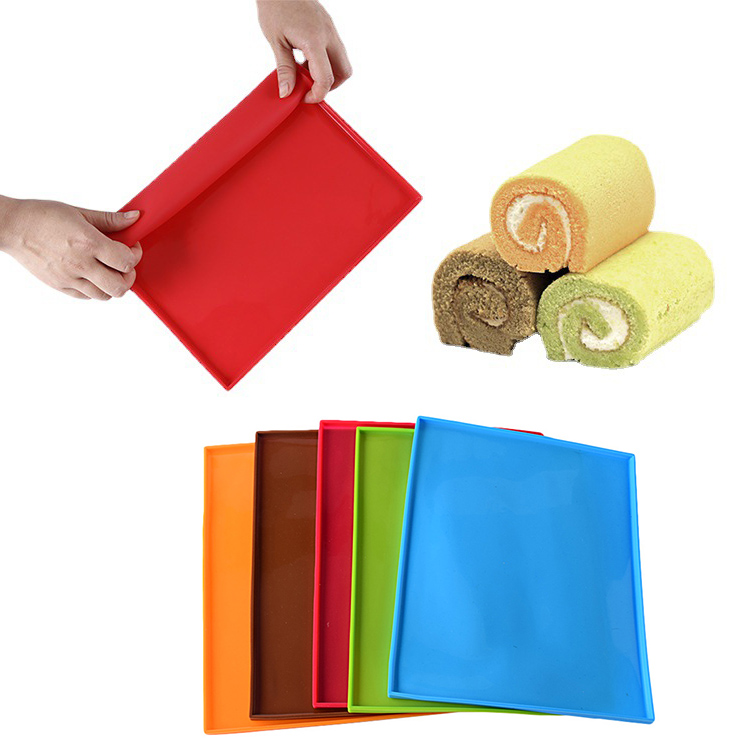
If you enjoy baking at home, you know how convenient a good silicone baking mat can be. From cookies to roasted vegetables to dough kneading, it offers a reusable, eco-friendly alternative to parchment paper.
A common question many bakers ask is: Can silicone baking mats go in the dishwasher?
The answer is yes—but there are a few things you should know to keep your mat clean, safe, and long-lasting. Let’s take a look.
A common question many bakers ask is: Can silicone baking mats go in the dishwasher?
The answer is yes—but there are a few things you should know to keep your mat clean, safe, and long-lasting. Let’s take a look.
can silicone baking mats go in the dishwasher

If you love cooking, you probably appreciate the comfort and convenience that silicone utensils bring to your kitchen. From flexible spatulas to heat-resistant spoons, they make stirring, flipping, and mixing much easier. But when it’s time to clean up, one question often comes up: Are silicone utensils dishwasher safe?
The short answer — yes! But let’s take a closer look at why silicone utensils are not only safe for dishwashers but also one of the smartest choices for a modern kitchen.
The short answer — yes! But let’s take a closer look at why silicone utensils are not only safe for dishwashers but also one of the smartest choices for a modern kitchen.
are silicone utensils dishwasher safe
SEND MESSAGE