
difference between cupcake and muffin
2025-06-19
The Difference Between Cupcake and Muffin
If you've ever stood in front of the bakery display case, eyes darting between the colorful cupcakes and rustic muffins, wondering what sets these two beloved baked goods apart, you're not alone. Despite their similar cup-like shapes and use of batter, cupcakes and muffins have distinct characteristics that make them unique in taste, texture, and purpose.
1. Origins and Purpose
The cupcake, with its roots tracing back to 18th-century America, was initially designed for practicality. Baked in individual cups, it offered a convenient way to ensure even cooking and portion control. Over time, cupcakes have evolved into a canvas for creativity, often adorned with elaborate frosting and decorations, making them a staple at parties, celebrations, and as indulgent treats.
On the other hand, muffins have a more utilitarian history. They were seen as a quick, easy-to-eat breakfast or snack option. Originating from the European "muffin," which was a type of flatbread, the American muffin we know today is a more substantial, cake-like creation, designed to provide a hearty and filling bite.

2. Ingredients and Flavor Profiles
One of the key differences lies in their ingredient ratios. Cupcakes are typically made with a higher proportion of sugar and fat, which contributes to their sweet, rich flavor and tender crumb. Butter or oil, along with a generous amount of sugar, gives cupcakes a buttery, indulgent taste that pairs perfectly with sweet frostings. Flavors like vanilla, chocolate, and strawberry are common, with the option to add fillings like jam or cream for an extra burst of sweetness.
Muffins, by contrast, use less sugar and fat. They often incorporate ingredients like fruits, nuts, or vegetables, adding a natural sweetness and texture. Blueberries, bananas, carrots, or chocolate chips are popular mix-ins. The result is a more subtly sweet, often earthy or fruity flavor profile, making muffins a versatile option that can be enjoyed as a healthy breakfast or a mid-day snack.
3. Texture
The texture of cupcakes and muffins is where their differences become most apparent. Cupcakes have a soft, light, and airy texture, similar to a small cake. The higher fat and sugar content, combined with careful mixing and baking techniques, create a tender, almost melt-in-your-mouth crumb.
Muffins, on the other hand, have a denser, heartier texture. They are usually less fluffy and have a more substantial bite, thanks to a simpler mixing method that results in a more rustic crumb. While still moist, muffins tend to be more filling and less delicate than cupcakes.

4. Baking and Preparation
The process of making cupcakes and muffins also varies. Cupcakes require a more precise and delicate approach. The batter is typically mixed until smooth, often using a mixer to incorporate air and create a light texture. They are then baked at a moderate temperature for a relatively short time, usually around 18-22 minutes, depending on the size.
Muffins, on the other hand, follow a "quick bread" method. The dry and wet ingredients are mixed separately and then combined just until moistened, to avoid overmixing and tough muffins. This results in a batter with a slightly lumpy texture. Muffins are usually baked at a higher temperature for a bit longer, around 20-25 minutes, which helps them rise and develop a golden-brown, slightly crispy top.

5. Appearance and Presentation
Cupcakes are all about the presentation. They are often decorated with a swirl of frosting, sprinkles, edible flowers, or other decorative elements, transforming them into miniature works of art. The frosting can be as simple as a dollop of buttercream or as elaborate as multi-layered, hand-piped designs.
Muffins, in contrast, have a more understated appearance. They are typically baked in simple paper liners or left unlined, showcasing their natural, rustic look. While some muffins might have a light dusting of sugar or a crumb topping, they are generally not as highly decorated as cupcakes.
In conclusion, while cupcakes and muffins may share a similar form, their differences in origin, ingredients, texture, baking process, and appearance make them two distinct baked goods. Whether you're in the mood for a sweet, decadent treat or a hearty, wholesome snack, understanding these differences will help you choose the perfect baked delight for any occasion.
what is the difference between a muffin and a cupcake
how to clean silicone dish drying mat
Related Article

When your baby starts to switch to solid food, choosing the right feeding tools is an important part of keeping meal times safe, healthy and stress-free. Among all the essential items for baby feeding, silicone baby bowls have quickly become the favorite of modern parents around the world.But why is it so important to choose the right silicone baby bowl? So how should parents screen?Let's get started.
Why choosing the right silicone baby bowl is so important

Choosing the right cup for your baby is frustrating for many new parents. From safety to durability to ease of cleaning, every detail is related to the product your baby uses every day. In recent years, silicone baby cups have become increasingly popular among parents around the world. But are they really better than traditional glasses? How do you choose the right one for your child?This guide will tell you everything you need to know.
How to Choose a Suitable Silicone Cup for Your Baby
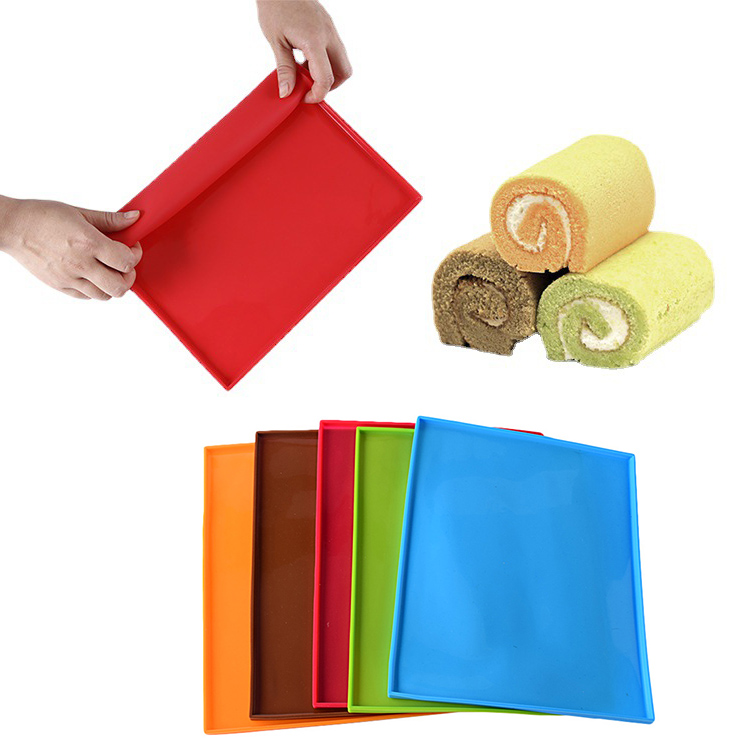
If you enjoy baking at home, you know how convenient a good silicone baking mat can be. From cookies to roasted vegetables to dough kneading, it offers a reusable, eco-friendly alternative to parchment paper.
A common question many bakers ask is: Can silicone baking mats go in the dishwasher?
The answer is yes—but there are a few things you should know to keep your mat clean, safe, and long-lasting. Let’s take a look.
A common question many bakers ask is: Can silicone baking mats go in the dishwasher?
The answer is yes—but there are a few things you should know to keep your mat clean, safe, and long-lasting. Let’s take a look.
can silicone baking mats go in the dishwasher

If you love cooking, you probably appreciate the comfort and convenience that silicone utensils bring to your kitchen. From flexible spatulas to heat-resistant spoons, they make stirring, flipping, and mixing much easier. But when it’s time to clean up, one question often comes up: Are silicone utensils dishwasher safe?
The short answer — yes! But let’s take a closer look at why silicone utensils are not only safe for dishwashers but also one of the smartest choices for a modern kitchen.
The short answer — yes! But let’s take a closer look at why silicone utensils are not only safe for dishwashers but also one of the smartest choices for a modern kitchen.
are silicone utensils dishwasher safe
SEND MESSAGE