
Do you put chocolate molds in the fridge or freezer
2025-04-24
Do you put chocolate molds in the fridge or freezer?
If you're a chocolate enthusiast who loves crafting beautiful chocolate treats at home, you've probably wondered: Do you put chocolate molds in the fridge or freezer? The answer isn't as straightforward as you might think, as both methods have their own merits and drawbacks. Let's dive into the details to help you make the best decision for your chocolate-making endeavors.

The Basics of Chocolate Setting
Chocolate is a finicky ingredient that requires careful handling to achieve the perfect texture and appearance. When melted chocolate cools and solidifies, it goes through a process called crystallization. Proper crystallization gives chocolate its characteristic snap, shine, and smooth mouthfeel. Refrigeration and freezing speed up this process, but they also affect the chocolate in different ways.
Refrigerating Chocolate Molds
Refrigerating chocolate molds is a popular choice for many home chocolatiers. The cool temperature of the refrigerator (usually around 34 - 40°F or 1 - 4°C) gradually cools the melted chocolate, allowing it to set in a relatively controlled manner. One of the main advantages of using the refrigerator is that it reduces the risk of condensation forming on the surface of the chocolate. Condensation can cause the chocolate to look dull or develop white streaks, known as "bloom."

Another benefit is that the slower cooling process in the fridge often results in a more even crystallization, which can lead to a better texture and a more professional - looking finish. However, it does take longer for the chocolate to set in the refrigerator, typically 30 minutes to an hour depending on the thickness of the chocolate in the molds.
Freezing Chocolate Molds
Freezing chocolate molds (at a temperature of 0°F or - 18°C) is a much quicker option. If you're short on time, popping the chocolate - filled molds into the freezer can have them set in as little as 10 - 15 minutes. But this rapid cooling comes with its own set of problems. The extremely cold temperature can cause the chocolate to contract too quickly, leading to cracks in the chocolate or an uneven surface.
Moreover, when you take the frozen chocolate out of the freezer, the sudden change in temperature can cause significant condensation to form. This condensation not only affects the appearance of the chocolate but can also make it sticky to the touch and alter its taste over time.

When to Refrigerate and When to Freeze
If you're making delicate, intricate chocolate pieces where appearance and texture are crucial, refrigeration is the way to go. This is especially true for chocolates with detailed designs or those that will be used in decorative arrangements. On the other hand, if you're making simple chocolate bars or treats for immediate consumption and time is of the essence, freezing can be a viable option. Just be sure to let the frozen chocolate sit at room temperature for a few minutes before removing it from the molds to minimize condensation.
In conclusion, whether you put chocolate molds in the fridge or freezer depends on your specific needs and priorities. Both methods can yield delicious results, but understanding the differences between them will help you create chocolate masterpieces every time. So, the next time you're in the middle of a chocolate - making session, choose the cooling method that best suits your creation and enjoy the sweet rewards of your efforts.
How to get chocolate out of silicone molds without breaking
How do you use chocolate molds
Related Article

When your baby starts to switch to solid food, choosing the right feeding tools is an important part of keeping meal times safe, healthy and stress-free. Among all the essential items for baby feeding, silicone baby bowls have quickly become the favorite of modern parents around the world.But why is it so important to choose the right silicone baby bowl? So how should parents screen?Let's get started.
Why choosing the right silicone baby bowl is so important

Choosing the right cup for your baby is frustrating for many new parents. From safety to durability to ease of cleaning, every detail is related to the product your baby uses every day. In recent years, silicone baby cups have become increasingly popular among parents around the world. But are they really better than traditional glasses? How do you choose the right one for your child?This guide will tell you everything you need to know.
How to Choose a Suitable Silicone Cup for Your Baby
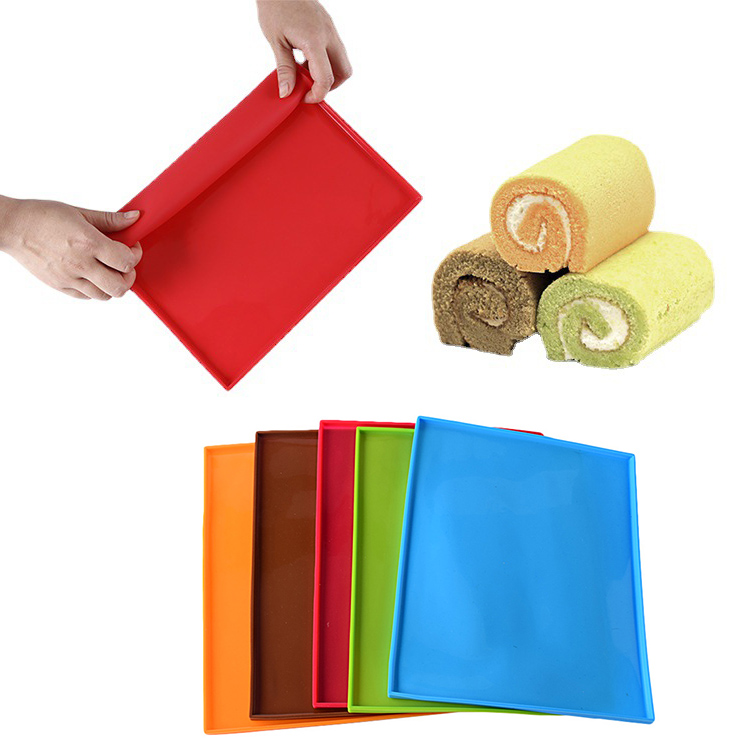
If you enjoy baking at home, you know how convenient a good silicone baking mat can be. From cookies to roasted vegetables to dough kneading, it offers a reusable, eco-friendly alternative to parchment paper.
A common question many bakers ask is: Can silicone baking mats go in the dishwasher?
The answer is yes—but there are a few things you should know to keep your mat clean, safe, and long-lasting. Let’s take a look.
A common question many bakers ask is: Can silicone baking mats go in the dishwasher?
The answer is yes—but there are a few things you should know to keep your mat clean, safe, and long-lasting. Let’s take a look.
can silicone baking mats go in the dishwasher

If you love cooking, you probably appreciate the comfort and convenience that silicone utensils bring to your kitchen. From flexible spatulas to heat-resistant spoons, they make stirring, flipping, and mixing much easier. But when it’s time to clean up, one question often comes up: Are silicone utensils dishwasher safe?
The short answer — yes! But let’s take a closer look at why silicone utensils are not only safe for dishwashers but also one of the smartest choices for a modern kitchen.
The short answer — yes! But let’s take a closer look at why silicone utensils are not only safe for dishwashers but also one of the smartest choices for a modern kitchen.
are silicone utensils dishwasher safe
SEND MESSAGE