
how do i know if my baby is teething
2025-07-15
How Do I Know If My Baby Is Teething? Recognizing the Signs
As a parent, watching your baby grow through milestones is exciting, but teething can be a confusing and challenging phase. Those tiny pearly whites breaking through the gums often come with a mix of subtle and not-so-subtle clues. If you’re wondering, “How do I know if my baby is teething?” read on to spot the key signs and navigate this stage with more confidence.
When Does Teething Typically Start?
First, it helps to know the timeline. Most babies begin teething between 4 and 7 months, though some start as early as 3 months or as late as 12 months. The lower front teeth usually make their debut first, followed by the upper front teeth, then molars and canines over the next year or so. Keep this window in mind—if your baby is within this age range and showing new behaviors, Physical Signs of Teething.
So ,you need to buy below silicone teething for your baby to use.

Physical Signs of Teething
Your baby’s body will often send clear signals that teeth are on the way:
-
Swollen, tender gums: Gently check your baby’s gums—you may notice redness, puffiness, or even a small white bump where the tooth is about to erupt. This area might feel warm to the touch.
-
Drooling more than usual: Teething (stimulates) saliva production, so you’ll likely see more drooling than normal. This can lead to a rash around the chin or neck, as constant moisture irritates the skin.
-
Low-grade fever: Some babies develop a slight fever (below 101°F/38.3°C) when teething, though experts debate if this is directly caused by the teeth breaking through. If the fever is higher or lasts more than a day, consult a doctor to rule out other issues.
-
Ear pulling or cheek rubbing: The pain from teething gums can radiate to the ears and cheeks, making your baby tug at their ears or rub their face in discomfort.
Behavioral Changes to Watch For
Teething discomfort can also change how your baby acts:
-
Increased chewing: Babies instinctively chew on anything they can get their hands on—toys, fingers, even your shoulder—to relieve pressure on their gums.
-
Fussiness or irritability: Soreness and discomfort can make your baby more cranky than usual. They may cry more, resist naps, or seem hard to soothe.
-
Sleep disturbances: Teething pain often feels worse at night, disrupting your baby’s sleep. They might wake up more frequently or have trouble falling asleep.
-
Loss of appetite: Sucking on a bottle or breast can hurt sensitive gums, leading your baby to eat less than usual. This is usually temporary, but offer smaller, more frequent feedings if needed.
For above detail ,you both could let you baby to chew below silicone teething.

How to Soothe a Teething Baby
If you notice these signs, try gentle remedies to ease their discomfort: cold teething rings (never frozen), clean wet washcloths to chew on, or over-the-counter teething gels (consult your pediatrician first). For more severe fussiness, acetaminophen or ibuprofen (as directed by a doctor) can help, but always check dosage based on your baby’s weight.

When to See a Doctor
Remember, teething is a natural process, but some symptoms aren’t typical. Contact your pediatrician if your baby has a high fever, diarrhea, vomiting, or a rash not linked to drooling—these could be signs of illness, not teething.
Teething looks different for every baby, but with these clues, you’ll be better equipped to answer, “How do I know if my baby is teething?” Stay patient, offer plenty of cuddles, and soon enough, you’ll be celebrating those first tiny smiles with new teeth!
how old are babies when they start teething
how many calories are in 2 boiled eggs
Related Article

When your baby starts to switch to solid food, choosing the right feeding tools is an important part of keeping meal times safe, healthy and stress-free. Among all the essential items for baby feeding, silicone baby bowls have quickly become the favorite of modern parents around the world.But why is it so important to choose the right silicone baby bowl? So how should parents screen?Let's get started.
Why choosing the right silicone baby bowl is so important

Choosing the right cup for your baby is frustrating for many new parents. From safety to durability to ease of cleaning, every detail is related to the product your baby uses every day. In recent years, silicone baby cups have become increasingly popular among parents around the world. But are they really better than traditional glasses? How do you choose the right one for your child?This guide will tell you everything you need to know.
How to Choose a Suitable Silicone Cup for Your Baby
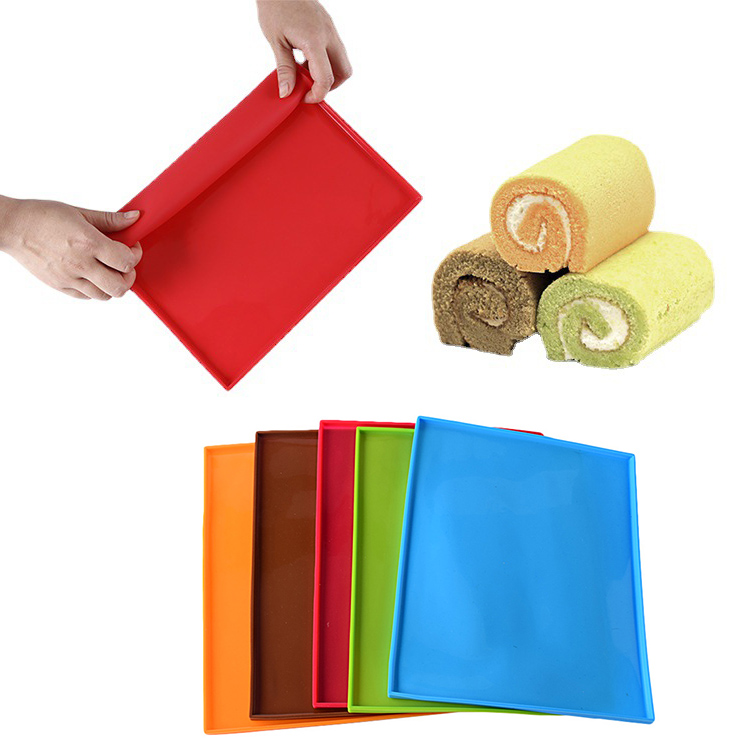
If you enjoy baking at home, you know how convenient a good silicone baking mat can be. From cookies to roasted vegetables to dough kneading, it offers a reusable, eco-friendly alternative to parchment paper.
A common question many bakers ask is: Can silicone baking mats go in the dishwasher?
The answer is yes—but there are a few things you should know to keep your mat clean, safe, and long-lasting. Let’s take a look.
A common question many bakers ask is: Can silicone baking mats go in the dishwasher?
The answer is yes—but there are a few things you should know to keep your mat clean, safe, and long-lasting. Let’s take a look.
can silicone baking mats go in the dishwasher

If you love cooking, you probably appreciate the comfort and convenience that silicone utensils bring to your kitchen. From flexible spatulas to heat-resistant spoons, they make stirring, flipping, and mixing much easier. But when it’s time to clean up, one question often comes up: Are silicone utensils dishwasher safe?
The short answer — yes! But let’s take a closer look at why silicone utensils are not only safe for dishwashers but also one of the smartest choices for a modern kitchen.
The short answer — yes! But let’s take a closer look at why silicone utensils are not only safe for dishwashers but also one of the smartest choices for a modern kitchen.
are silicone utensils dishwasher safe
SEND MESSAGE