
how early can babies start teething
2025-07-30
How early can babies start teething? What Parents Should Know
As a parent, you may find yourself constantly observing your child, unwilling to miss any milestone of their growth. One of the most anticipated milestones is the appearance of the first small tooth. Teething is a natural part of a baby's growth, but many parents wonder: How early do babies start teething, and what can you do to soothe your little one during this phase?
Teething Timelines
Most babies start teething between 4 to 7 months of age. However, some babies can begin as early as 3 months, while others might not show signs until after their first birthday. Each baby is different, and teething timelines vary widely. If your baby starts teething earlier than the average, you might notice some common signs:
• More saliva
Soaking clothes is a common phenomenon, and sometimes eczema may occur on the chin and corners of the mouth.
• Prone to biting hands or things
When the gums are itchy and uncomfortable, the baby will bite something on their own to relieve it.
• Restless sleep and prone to irritability
Discomfort in the gums may affect sleep quality.
• Red and swollen gums with obvious protrusions
When touched lightly with a clean finger, one can feel or even see small white protrusions on the gums.
• Mild fever or loss of appetite
Some babies may experience a slightly higher body temperature (usually not exceeding 38°C) and a reduced appetite.
It's important to remember that these signs can also be part of other developmental stages, so it's best to check their gums for any visible bumps or white spots that indicate a tooth is on its way.
Soothing Your Baby: Why a Silicone Teether Can Help
Teething can be an uncomfortable time for babies. The pressure from the emerging tooth can cause soreness and itchiness in their gums, leading to fussiness and disrupted sleep. One of the most effective and safe ways to soothe sore gums is by giving your baby a teething toy.
Why choose our silicone teether?
Only the safest and most effective products can achieve this for your baby. Here are the reasons why parents around the world trust our silicone teeth:
-
100% food-grade, medical-grade silicone
Made of high-quality, non-toxic silicone, it is safe enough to enter a baby's mouth - free of bisphenol a, phthalates, lead and other harmful chemicals.

-
Gentle on Gums
Soft yet durable texture provides gentle pressure to soothe sore, inflamed gums without irritating them.
-
Waterproof & Stain-Resistant
The smooth silicone surface does not absorb water or get stained. Whether your baby drools on it or it gets a little messy during playtime, a quick wipe or rinse is often all it takes to get it looking good as new.
-
High & Low Temperature Resistant (-40℃ to 230℃)
After use, it can be directly soaked in hot water for high-temperature disinfection or put in the dishwasher. Our teether can withstand extreme temperatures without losing shape or safety.

-
Easy to Clean
Quick drying and pore-free, just let it air dry after cleaning. Our baby teether can resist the accumulation of bacteria.
-
Hygienic Design
It is easy for little hands to hold, and its texture enables babies to participate while supporting sensory development.

A Healthier, Happier Teething Experience
Teething doesn’t have to be a stressful stage. With the right tools—and the right material—you can help your baby stay calm and comfortable.
Our silicone teether is more than just a toy—it's a parent-approved essential for every baby bag.
Ready to make teething easier for your little one?
Explore our full line of safe, food-grade silicone teethers designed with your baby’s comfort in mind!
how to brush curly hair
when do babies start eating solids
Related Article

When your baby starts to switch to solid food, choosing the right feeding tools is an important part of keeping meal times safe, healthy and stress-free. Among all the essential items for baby feeding, silicone baby bowls have quickly become the favorite of modern parents around the world.But why is it so important to choose the right silicone baby bowl? So how should parents screen?Let's get started.
Why choosing the right silicone baby bowl is so important

Choosing the right cup for your baby is frustrating for many new parents. From safety to durability to ease of cleaning, every detail is related to the product your baby uses every day. In recent years, silicone baby cups have become increasingly popular among parents around the world. But are they really better than traditional glasses? How do you choose the right one for your child?This guide will tell you everything you need to know.
How to Choose a Suitable Silicone Cup for Your Baby
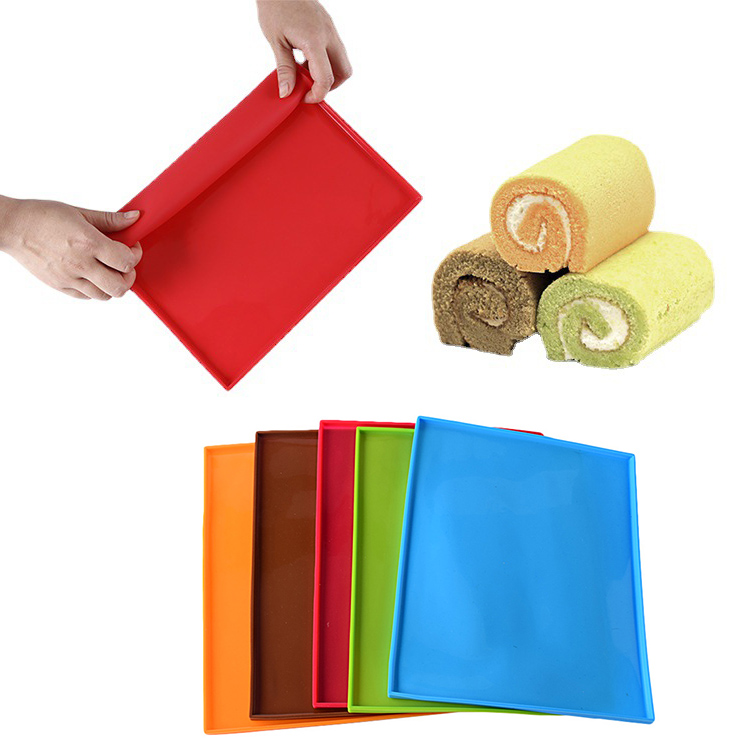
If you enjoy baking at home, you know how convenient a good silicone baking mat can be. From cookies to roasted vegetables to dough kneading, it offers a reusable, eco-friendly alternative to parchment paper.
A common question many bakers ask is: Can silicone baking mats go in the dishwasher?
The answer is yes—but there are a few things you should know to keep your mat clean, safe, and long-lasting. Let’s take a look.
A common question many bakers ask is: Can silicone baking mats go in the dishwasher?
The answer is yes—but there are a few things you should know to keep your mat clean, safe, and long-lasting. Let’s take a look.
can silicone baking mats go in the dishwasher

If you love cooking, you probably appreciate the comfort and convenience that silicone utensils bring to your kitchen. From flexible spatulas to heat-resistant spoons, they make stirring, flipping, and mixing much easier. But when it’s time to clean up, one question often comes up: Are silicone utensils dishwasher safe?
The short answer — yes! But let’s take a closer look at why silicone utensils are not only safe for dishwashers but also one of the smartest choices for a modern kitchen.
The short answer — yes! But let’s take a closer look at why silicone utensils are not only safe for dishwashers but also one of the smartest choices for a modern kitchen.
are silicone utensils dishwasher safe
SEND MESSAGE