
how many grams of protein in a hard boiled egg
2025-07-22
How Many Grams of Protein in a Hard-Boiled Egg?Nutritional Facts + Cooking Hacks
If you’ve ever stared at a hard-boiled egg and wondered, “What’s the protein payoff here?” you’re not alone. These humble little orbs are everywhere—on breakfast plates, in lunchboxes, and even tucked into gym bags as post-workout fuel. But just how much protein do they pack? Let’s dive into the numbers, explore why hard-boiled eggs are a nutrition standout, and introduce a kitchen tool that makes cooking them (and so much more) a total breeze: our silicone egg cooker.
The Protein Breakdown: Grams, Yolks, and Why It Matters
Let’s get straight to the point: A large hard-boiled egg contains approximately 6.3 grams of protein. That’s a solid hit for something that weighs less than two ounces! To put it in context, that’s about 13% of the daily protein needs for an average adult (which clocks in around 50 grams, depending on weight and activity level).
But here’s where it gets interesting: That protein is split between the yolk and the white. The egg white, often hailed as the “lean protein” part, delivers about 3.6 grams. The yolk, which gets a bad rap for its fat content, contributes the remaining 2.7 grams. Skip the yolk, and you’re missing out on half the protein—plus key nutrients like vitamin B12, choline (critical for brain health), and selenium. So next time someone tells you to “just eat the whites,” you can politely explain they’re shortchanging themselves.
This protein is also “complete,” meaning it contains all nine essential amino acids your body can’t produce on its own. That makes hard-boiled eggs a standout for muscle repair, satiety, and steady energy—no crash, no fuss.
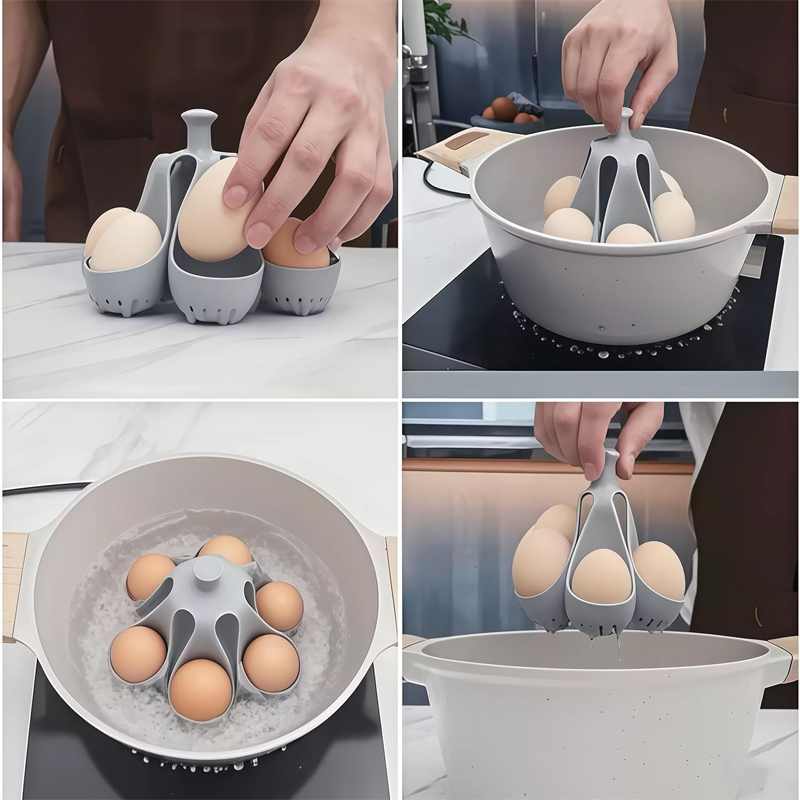
Why Hard-Boiled Eggs Are a Nutrition MVP
Protein aside, hard-boiled eggs are nutritional all-stars for a few simple reasons:
-
Portability: They’re nature’s grab-and-go snack. No need for refrigeration for short periods, so you can toss one in your bag and go.
-
Versatility: Slice them into salads, mash them for a sandwich, or eat them plain with a sprinkle of salt. They play well with everything.
-
Affordability: Compared to protein bars or pre-packaged snacks, hard-boiled eggs are budget-friendly—especially if you buy them by the dozen.
-
Long shelf life: Cooked and stored in the fridge, they last up to a week, making them perfect for meal prep.
But there’s a catch: Cooking them perfectly is trickier than it looks. Overcook, and you get a rubbery white and a crumbly, green-tinged yolk (thanks to iron and sulfur reacting under high heat). Underdo it, and you’re left with a runny mess that’s more hassle than help. That’s where our silicone egg cooker steps in to save the day.
Silicone Egg Cookers: The Secret to Perfect Eggs (Every Time)
Cooking hard-boiled eggs on the stovetop is a balancing act: Boil too long, and they’re ruined; forget to set a timer, and you’re stuck with a pot of disappointment. Our silicone egg cooker eliminates the guesswork, turning egg-cooking into a stress-free task. Let’s break down why it’s a kitchen must-have.
-
Safety First: 100% Food-Grade Silicone
When it comes to something that touches your food—especially something as frequently eaten as eggs—safety is non-negotiable. Our egg cooker is made from 100% food-grade silicone, which means it’s free from BPA, phthalates, and other harmful chemicals. It won’t leach toxins when heated, even in the microwave or on the stovetop. You can cook with confidence, knowing your eggs (and your family) are in good hands.
-
Flexibility to Fit Any Egg
Eggs aren’t one-size-fits-all. Some are large and plump, others small and slightly lopsided. Our silicone cooker’s natural elasticity and softness let it adapt to any shape or size, hugging each egg securely without cracking the shell. It’s like a custom-fit cooking chamber for every egg, ensuring even heat distribution and consistent results—no more undercooked spots or overdone edges.
-
Sealed for Safety and Efficiency
The cooker’s tight, secure seal is a game-changer. It locks in steam and heat, so eggs cook faster than they would in a pot of boiling water. More importantly, it prevents water or steam from leaking, eliminating messy splatters and reducing the risk of burns. That seal also traps moisture, keeping egg whites tender and yolks creamy—no more dry, chalky hard-boiled eggs that taste like cardboard.
-
Non-Stick Magic: Easy Removal, Zero Fuss
Ever peeled a hard-boiled egg only to have half the white stick to the shell? It’s frustrating, wasteful, and totally avoidable with our silicone cooker. The smooth, non-porous surface means eggs release cleanly every time. Just gently squeeze the sides, and the egg pops out intact—no prying, no peeling disasters, and no broken yolks. It’s so satisfying, you might find yourself cooking extra eggs just to enjoy the process.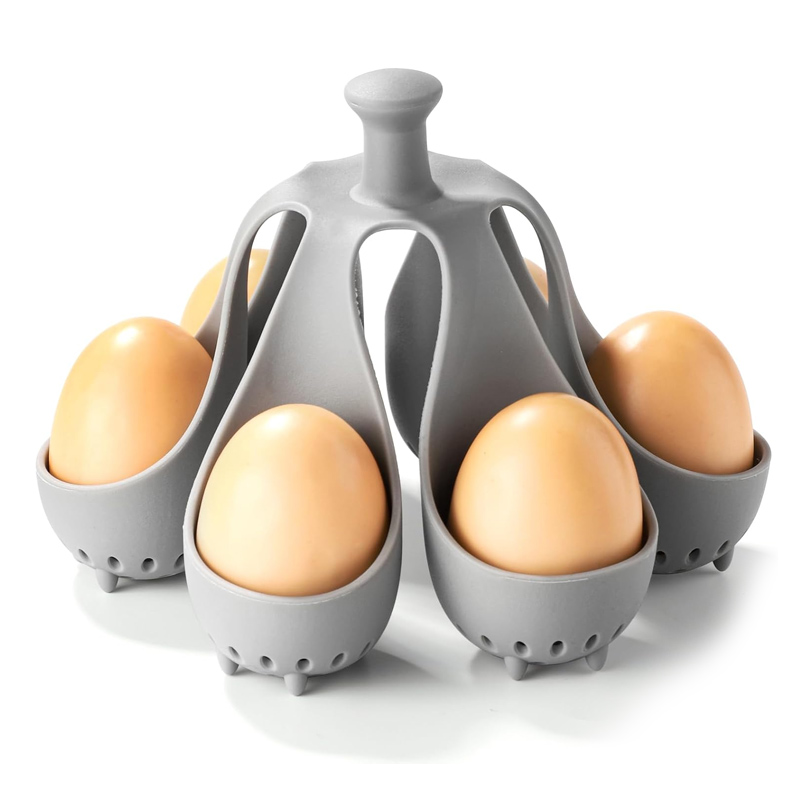
-
Cleanup? Done in Seconds
Silicone’s non-stick properties don’t just make egg removal easy—they simplify cleaning, too. No more scrubbing dried egg residue off metal pots or scraping stuck-on bits from plastic containers. A quick rinse under warm water with mild soap is all it takes. For even less effort, toss it in the dishwasher (top rack, please). It comes out spotless, ready for its next cooking adventure.
-
More Than an Egg Cooker: Versatility at Its Best
This little gadget isn’t limited to hard-boiled eggs. Its versatility makes it a kitchen workhorse:
It’s like having a mini steamer, microwave-safe bowl, and egg cooker all in one compact tool.
-
Soft-boiled eggs: Get that perfect runny yolk for ramen or toast in minutes.
-
Poached eggs: No more swirling water or broken whites—cook them evenly and mess-free.
-
Egg custard: Silky, smooth, and ready in a fraction of the time it takes in an oven.
-
Steamed veggies: Toss in spinach, peas, or baby carrots for a quick, nutrient-packed side.
-
Melted chocolate: Drizzle over fruit or desserts without burning—silicone distributes heat gently.
-
Warmed sauces: Reheat small portions of pesto or marinara without scorching.

How to Use Your Silicone Egg Cooker: Simple Steps for Perfect Results
Using the cooker is as easy as 1-2-3, whether you’re using a microwave or stovetop:
-
Microwave Method (Hard-Boiled):
-
Place one large egg in the cooker.
-
Add 1 tablespoon of water (to create steam).
-
Seal the lid tightly and microwave on high for 2–2.5 minutes (adjust based on your microwave’s wattage—lower wattage may need 3 minutes).
-
Let it sit for 1 minute, then transfer the egg to cold water for 30 seconds. Peel and enjoy.
-
Stovetop Method (Soft-Boiled):
-
Place the egg in the cooker and add 1 teaspoon of water.
-
Seal the lid and place in a small saucepan. Add ½ inch of water to the pan.
-
Cover the pan and bring to a simmer over medium heat. Cook for 5–6 minutes.
-
Remove, cool briefly, and enjoy that runny yolk.
-
Bonus: Beyond Eggs
For steamed veggies: Add 2 tablespoons of water, toss in chopped broccoli or carrots, seal, and microwave for 1–2 minutes.
For melted chocolate: Break 1–2 squares into the cooker, microwave in 15-second bursts, stirring between each, until smooth.
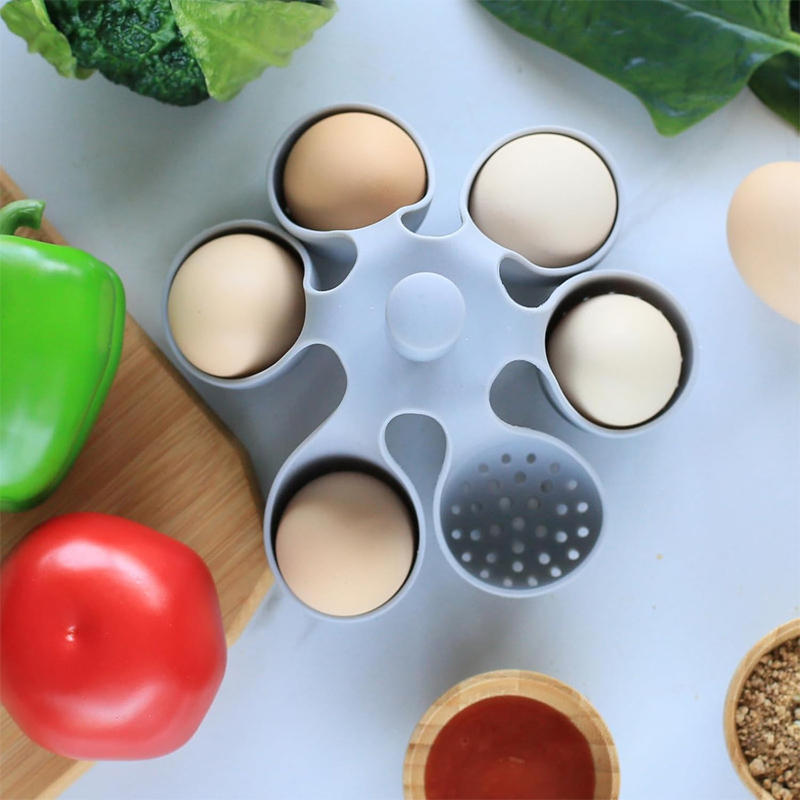
Why This Matters: Nutrition, Convenience, and More
Hard-boiled eggs are a nutrition staple because they’re affordable, accessible, and packed with protein. But their real power lies in their convenience—and our egg cooker silicone amplifies that. It turns a 15-minute stovetop process into a 3-minute microwave task, making it easier than ever to incorporate protein-rich eggs into your day.
And with its versatility, the cooker isn’t just a tool for eggs—it’s a shortcut to healthier eating overall. Steaming veggies, melting chocolate for fruit dips, or making quick egg custard for a snack all become effortless. It’s a small investment that pays off in saved time, reduced stress, and better meals.
Final Thoughts: Protein, Eggs, and a Cooker That Delivers
So, to recap: A large hard-boiled egg gives you about 6.3 grams of high-quality, complete protein—enough to fuel your morning, tide you over between meals, or aid in post-workout recovery. And with our silicone egg cooker, getting that protein has never been easier.
It’s safe, flexible, and designed to make cooking (and cleaning) a breeze. Whether you’re a busy parent, a college student, or someone who just hates kitchen hassle, this cooker simplifies meal prep and elevates your egg game.
After all, good nutrition shouldn’t be complicated. With a hard-boiled egg and a little help from silicone, it’s as easy as crack, cook, and enjoy.
how to use shampoo brush
how many minutes in boiling egg
Related Article

When your baby starts to switch to solid food, choosing the right feeding tools is an important part of keeping meal times safe, healthy and stress-free. Among all the essential items for baby feeding, silicone baby bowls have quickly become the favorite of modern parents around the world.But why is it so important to choose the right silicone baby bowl? So how should parents screen?Let's get started.
Why choosing the right silicone baby bowl is so important

Choosing the right cup for your baby is frustrating for many new parents. From safety to durability to ease of cleaning, every detail is related to the product your baby uses every day. In recent years, silicone baby cups have become increasingly popular among parents around the world. But are they really better than traditional glasses? How do you choose the right one for your child?This guide will tell you everything you need to know.
How to Choose a Suitable Silicone Cup for Your Baby
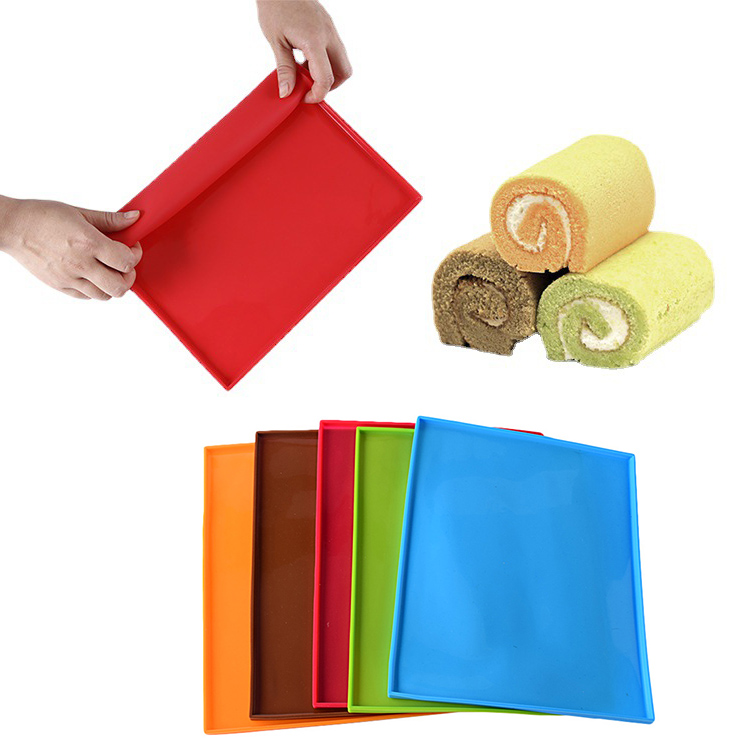
If you enjoy baking at home, you know how convenient a good silicone baking mat can be. From cookies to roasted vegetables to dough kneading, it offers a reusable, eco-friendly alternative to parchment paper.
A common question many bakers ask is: Can silicone baking mats go in the dishwasher?
The answer is yes—but there are a few things you should know to keep your mat clean, safe, and long-lasting. Let’s take a look.
A common question many bakers ask is: Can silicone baking mats go in the dishwasher?
The answer is yes—but there are a few things you should know to keep your mat clean, safe, and long-lasting. Let’s take a look.
can silicone baking mats go in the dishwasher

If you love cooking, you probably appreciate the comfort and convenience that silicone utensils bring to your kitchen. From flexible spatulas to heat-resistant spoons, they make stirring, flipping, and mixing much easier. But when it’s time to clean up, one question often comes up: Are silicone utensils dishwasher safe?
The short answer — yes! But let’s take a closer look at why silicone utensils are not only safe for dishwashers but also one of the smartest choices for a modern kitchen.
The short answer — yes! But let’s take a closer look at why silicone utensils are not only safe for dishwashers but also one of the smartest choices for a modern kitchen.
are silicone utensils dishwasher safe
SEND MESSAGE