
how many minutes in boiling egg
2025-07-22
How Many Minutes to Boil an Egg?The Ultimate Guide for Perfect Results Every Time
Few kitchen tasks seem as simple yet frustrating as boiling an egg. One minute too long, and you’re left with a dry, crumbly yolk; one minute too short, and the whites are unpleasantly runny. The question on every home cook’s mind: How many minutes does it really take to boil an egg to perfection? Whether you prefer soft, medium, or hard-boiled, we’re breaking down the exact timing, sharing pro tips, and explaining why a silicone egg cooker can elevate your egg.
The Science of Boiling Eggs: Why Timing Matters
Boiling an egg is a delicate balance of heat and time. When an egg is submerged in boiling water, the proteins in the egg white and yolk denature (coagulate) at different temperatures: egg whites set around 144–149°F (62–65°C), while yolks thicken around 149–158°F (65–70°C) and fully set at 158–170°F (70–77°C). This temperature difference is why precise timing is key to achieving your desired texture.
Altitude, egg size, and starting temperature (room temperature vs. cold) also play roles. For simplicity, we’ll focus on large eggs (the most common size) started in cold water—adjustments for other variables are noted at the end.
How Many Minutes for Each Doneness?
Let’s break down the exact cooking times for three popular styles of boiled eggs:
-
Soft-Boiled Eggs (Runny Yolk)
Ideal for dipping toast soldiers or adding to salads, soft-boiled eggs have fully set whites and silky, runny yolks.
-
Cooking time: 6–7 minutes after the water reaches a rolling boil.
-
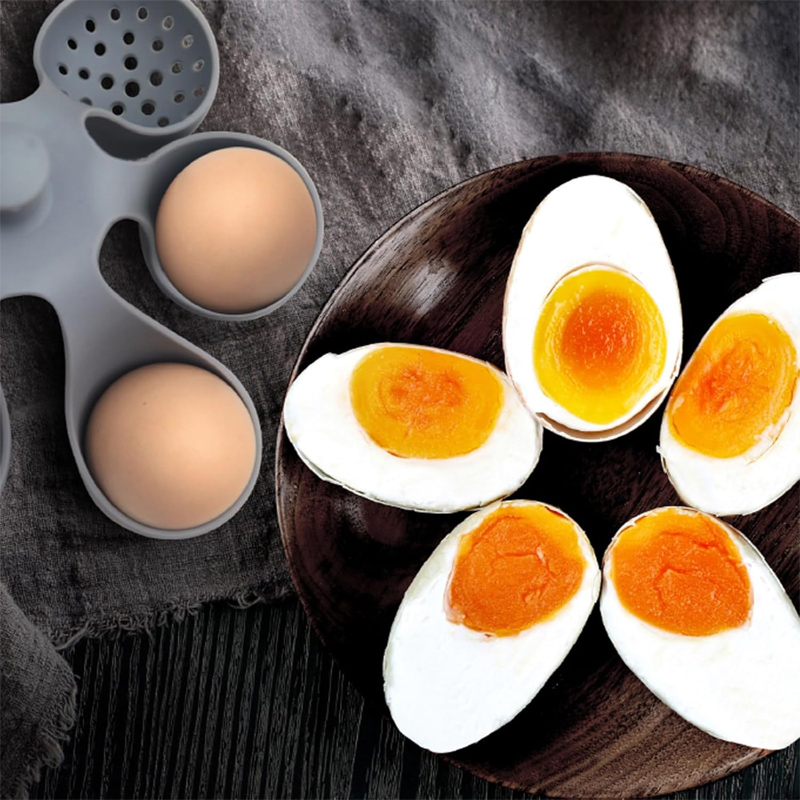
Why this works: At 6 minutes, the whites are firm but tender, while the yolk stays liquid with a slight thickening around the edges. By 7 minutes, the yolk thickens slightly more (think “jammy” rather than fully runny) but remains pourable.
-
Medium-Boiled Eggs (Creamy Yolk)
A happy middle ground, medium-boiled eggs have set whites and yolks that are thick but still creamy—perfect for slicing in sandwiches or grain bowls.
-
Cooking time: 8–9 minutes after boiling.
-
Why this works: The longer cooking time allows the yolk to coagulate more fully, creating a spreadable, custard-like texture without drying out.
-
Hard-Boiled Eggs (Fully Set Yolk)
These are pantry staples for meal prep, deviled eggs, or snacking. The whites should be firm but not rubbery, and the yolks should be dry but not crumbly.
-
Cooking time: 10–12 minutes after boiling.
-
Why this works: 10 minutes ensures the yolk is fully set with a slight creaminess in the center. 12 minutes dries the yolk further, which some prefer for deviling (it holds its shape better when mixed with mayo).
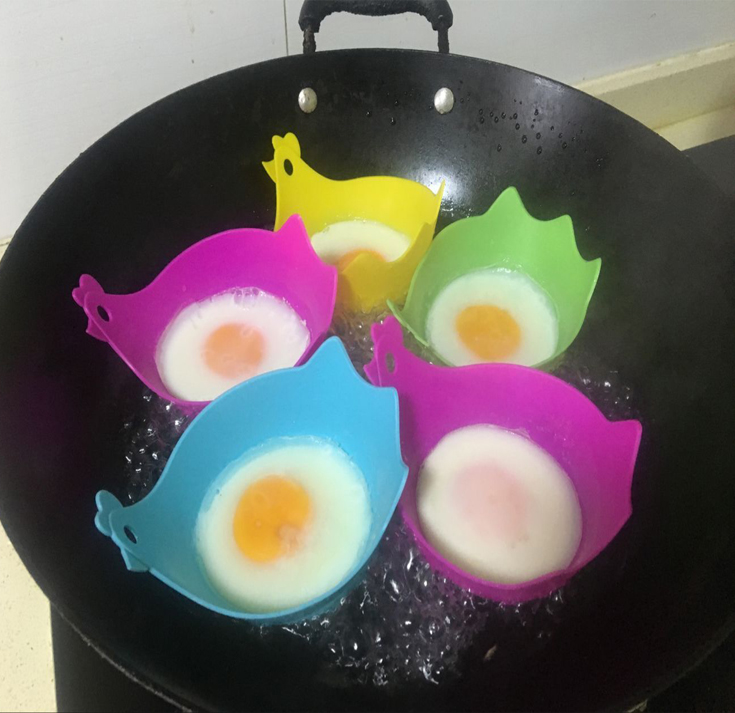
- Egg Poacher-Poached Egg Cooker with Ring Standers, Silicone Egg Poacher Cup for Microwave or Stovetop Egg Poaching
The Step-by-Step Process for Perfect Boiled Eggs
Follow these steps to ensure consistent results, regardless of your preferred doneness:
-
Place eggs in a single layer at the bottom of a pot. Add cold water until eggs are covered by 1 inch (this prevents cracking and ensures even heating).
-
Add a pinch of salt to the water (this helps eggs peel easier later) and bring to a rolling boil over high heat.
-
Once boiling, reduce heat to low to maintain a gentle simmer (vigorous boiling can crack eggs or make yolks uneven).
-
Set a timer for your desired doneness (6–12 minutes, as above).
-
When the timer rings, transfer eggs to an ice bath (cold water + ice) for 5 minutes. This stops cooking immediately, prevents overdone yolks, and makes peeling easier.
-
Peel and enjoy, or store in the fridge for up to 5 days.
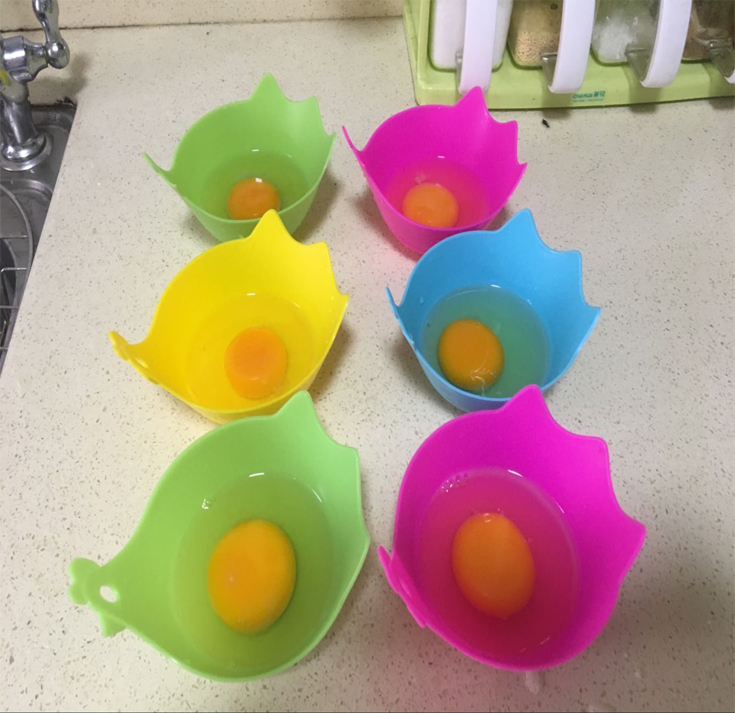
Why Silicone Egg Cookers Simplify the Process
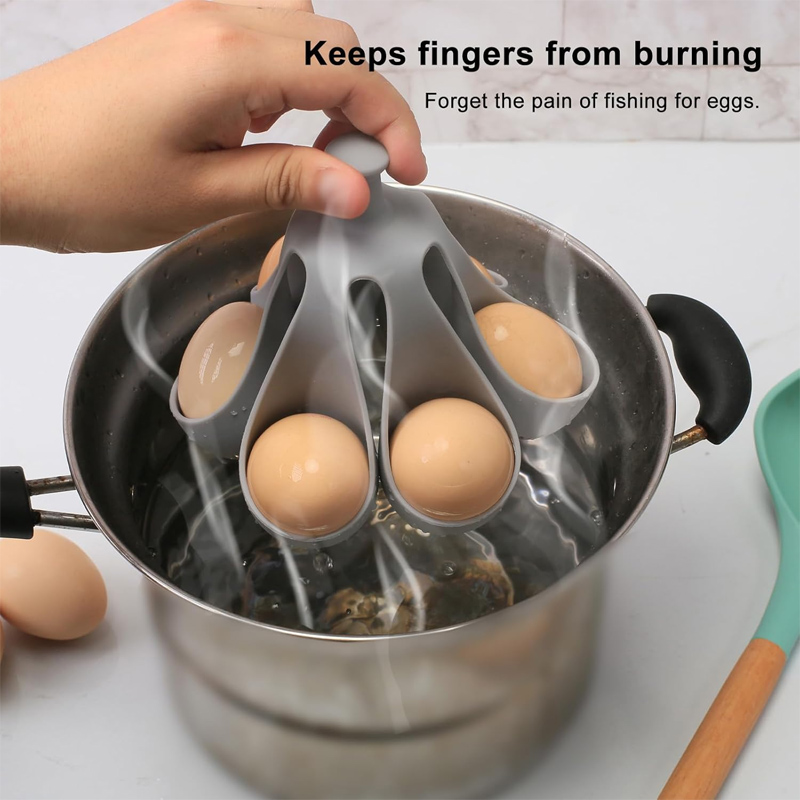
While the stovetop method works, it requires monitoring, precise timing, and can be messy. Silicone egg cookers are designed to eliminate these headaches, offering a smarter way to boil eggs at home, on the go, or in small spaces like dorms or RVs. Here’s why ours stand out:
-
Non-Toxic, Food-Grade Safety: Made from 100% food-grade silicone, our egg cookers are BPA-free, phthalate-free, and free from harmful chemicals. Unlike plastic cookers that may leach toxins when heated, silicone is stable at high temperatures (up to 446°F/230°C), ensuring your eggs stay safe to eat.
-
Flexible Design Adapts to Any Egg Size: Eggs come in small, medium, large, and extra-large sizes—but our silicone cookers don’t care. The material’s natural elasticity and softness allow it to conform to different egg shapes, hugging each one securely without cracking. Whether you’re using farm-fresh eggs with irregular shapes or standard store-bought ones, the cooker ensures even heat distribution.
-
Superior Sealing Prevents Leaks and Moisture Loss: Our egg cookers feature a tight, secure seal that locks in steam and heat. This not only speeds up cooking (no more waiting for a pot of water to boil!) but also prevents water or steam from leaking—critical for safety, especially when using microwaves or small stovetop burners. The seal also locks in moisture, keeping egg whites tender and yolks creamy, even for hard-boiled eggs that might otherwise dry out.
-
Compact, Portable, and Versatile: Measuring just 4–5 inches in diameter, our silicone egg cookers are 小巧 (compact) enough to fit in a kitchen drawer, travel bag, or camping gear. They’re perfect for:
-
Dorm rooms: No need for a large pot—cook eggs in a microwave in minutes.
-
Camping trips: Use over a portable stove for fresh eggs without hauling heavy cookware.
-
Travel: Make a quick breakfast in a hotel microwave.
-
Small kitchens: Save space with a tool that replaces a bulky pot.
-
Easy to Use and Clean: Simply place an egg inside, add 1–2 tablespoons of water (to create steam), seal, and cook. Microwave times vary by wattage (typically 60–90 seconds for soft-boiled, 2–3 minutes for hard-boiled), but the result is always consistent. When done, the flexible silicone lets you pop the egg out with a gentle squeeze—no stuck shells! Cleaning is a breeze, too: hand-wash with soap and water, or toss in the dishwasher.
-
Multi-Purpose Convenience: While designed for boiling, our silicone cookers double as steamers for other small foods like baby carrots, peas, or even single-serve portions of quinoa. This versatility makes them a must-have for minimalists or anyone short on kitchen tools.
Pro Tips for Using Silicone Egg Cookers
-
For microwave use: Always pierce the egg’s large end with a pin first (this releases air and prevents exploding). Add the recommended water, seal loosely (leave a tiny gap for steam to escape), and start with shorter cook times—microwaves vary in strength.
-
For stovetop use: Place the silicone cooker in a small pot with ½ inch of water, cover, and simmer. The cooker’s heat resistance means it won’t melt or warp.
-
For easier peeling: After cooking, roll the egg gently on a hard surface to crack the shell, then peel under running water. The silicone cooker’s moisture-locking design already loosens the membrane, making this step effortless.
Adjusting for Variables
-
Egg temperature: If using cold eggs (straight from the fridge), add 1 minute to cooking times. Room-temperature eggs cook faster and are less likely to crack.
-
Altitude: At high altitudes (above 3,000 feet), water boils at a lower temperature, so add 1–2 minutes to cooking times.
-
Older vs. fresh eggs: Older eggs (7–10 days old) peel easier than fresh ones, as the membrane between the shell and white weakens over time. Use fresh eggs for best flavor, but older ones for deviled eggs or recipes where peeling matters.
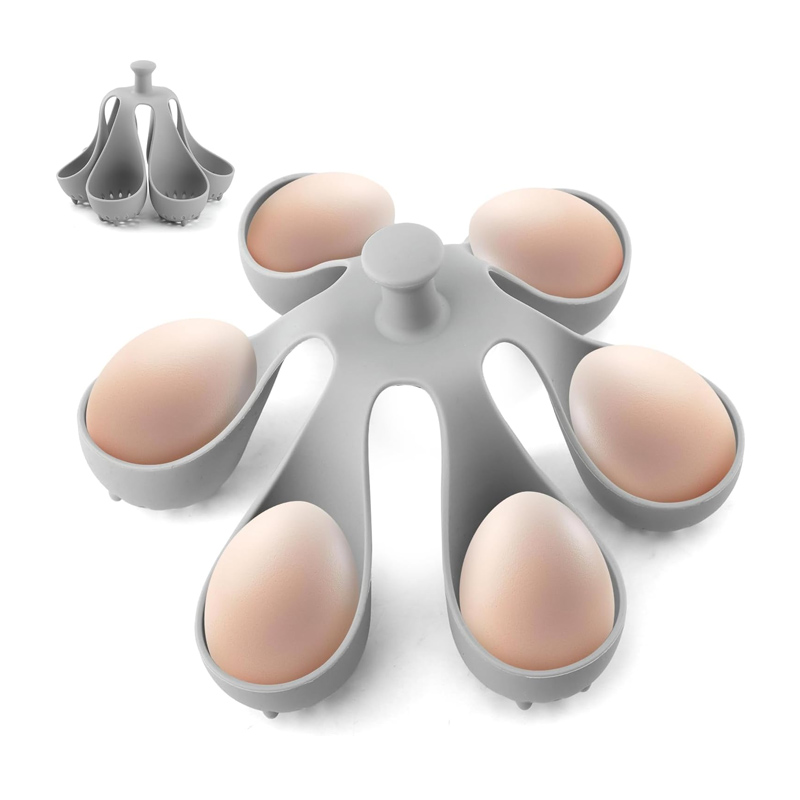
Why Perfect Boiled Eggs Are Worth the Effort
Boiled eggs are a nutritional powerhouse: packed with protein, vitamins D and B12, and choline (great for brain health). They’re also endlessly versatile—enjoy them for breakfast, as a post-workout snack, in salads, or as a topping for avocado toast. With the right timing and tools, you can turn this simple ingredient into a culinary highlight.
Final Thoughts
The answer to “how many minutes to boil an egg” depends on your taste, but with 6–12 minutes and a few pro tips, anyone can master it. For even better results—consistency, safety, and convenience—silicone egg cookers are a game-changer. Ours combine food-grade safety, flexible adaptability, and leak-proof sealing to make boiling eggs easier at home or on the go. Whether you’re a busy parent, a college student, or a camping enthusiast, they take the guesswork out of this classic kitchen task—so you can enjoy perfect boiled eggs, every single time.
how many grams of protein in a hard boiled egg
when does baby start teething
Related Article

When your baby starts to switch to solid food, choosing the right feeding tools is an important part of keeping meal times safe, healthy and stress-free. Among all the essential items for baby feeding, silicone baby bowls have quickly become the favorite of modern parents around the world.But why is it so important to choose the right silicone baby bowl? So how should parents screen?Let's get started.
Why choosing the right silicone baby bowl is so important

Choosing the right cup for your baby is frustrating for many new parents. From safety to durability to ease of cleaning, every detail is related to the product your baby uses every day. In recent years, silicone baby cups have become increasingly popular among parents around the world. But are they really better than traditional glasses? How do you choose the right one for your child?This guide will tell you everything you need to know.
How to Choose a Suitable Silicone Cup for Your Baby
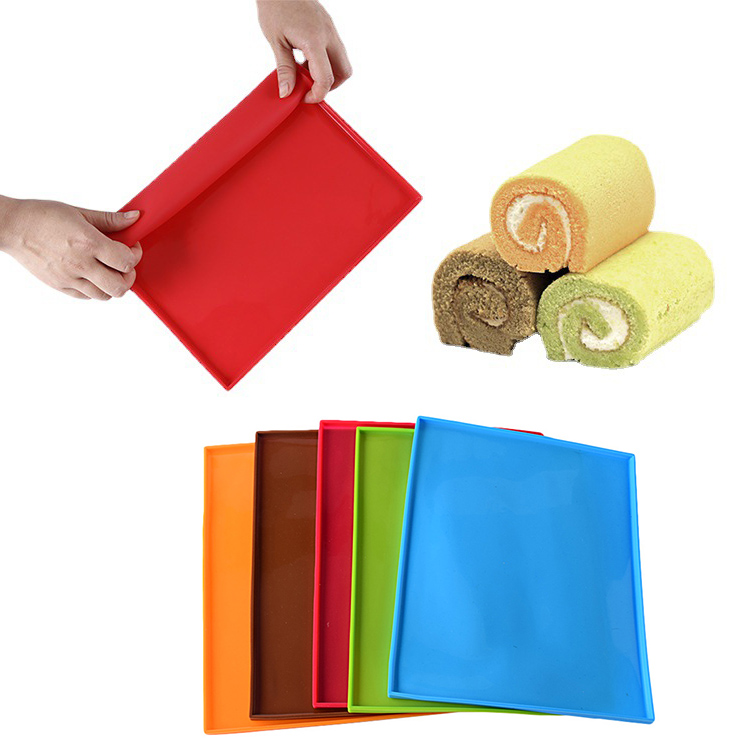
If you enjoy baking at home, you know how convenient a good silicone baking mat can be. From cookies to roasted vegetables to dough kneading, it offers a reusable, eco-friendly alternative to parchment paper.
A common question many bakers ask is: Can silicone baking mats go in the dishwasher?
The answer is yes—but there are a few things you should know to keep your mat clean, safe, and long-lasting. Let’s take a look.
A common question many bakers ask is: Can silicone baking mats go in the dishwasher?
The answer is yes—but there are a few things you should know to keep your mat clean, safe, and long-lasting. Let’s take a look.
can silicone baking mats go in the dishwasher

If you love cooking, you probably appreciate the comfort and convenience that silicone utensils bring to your kitchen. From flexible spatulas to heat-resistant spoons, they make stirring, flipping, and mixing much easier. But when it’s time to clean up, one question often comes up: Are silicone utensils dishwasher safe?
The short answer — yes! But let’s take a closer look at why silicone utensils are not only safe for dishwashers but also one of the smartest choices for a modern kitchen.
The short answer — yes! But let’s take a closer look at why silicone utensils are not only safe for dishwashers but also one of the smartest choices for a modern kitchen.
are silicone utensils dishwasher safe
SEND MESSAGE