
how much expressed milk to feed baby calculator
2025-06-05
Scientific Feeding Guide: Using and Understanding the Baby Expressed Milk Feeding Calculator
In the journey of parenting, accurately gauging how much expressed breast milk to feed your baby is a crucial lesson for new parents. The "baby expressed milk feeding calculator" emerges as an essential tool for scientific parenting, helping parents eliminate the anxiety of "overfeeding or underfeeding" and establishing a scientific benchmark for babies' nutritional intake based on data.

1. Core Principles of the Calculator: Precise Matching from Stomach Capacity to Growth Needs
The baby expressed milk feeding calculator is not just a simple numerical tool; it is rooted in the rigorous logic of infant nutrition. A newborn's stomach capacity is only about the size of a cherry (approximately 30-60ml), while by 6 months, it grows to the size of an apple (about 200-240ml). The calculator is based on the WHO (World Health Organization) infant growth curve data, combining the upper limit of stomach capacity for different monthly ages, daily energy needs (about 110-150kcal per kg of body weight), and the calorie density of breast milk (about 70kcal per 100ml) to construct a dynamic feeding volume model. For example, a 3-month-old baby weighing 5kg can be calculated to need about 750ml of breast milk daily through the calculator, which is then distributed into each feeding according to the feeding frequency.
2. Three-Step Operation: Making the Calculation Process Simple and Clear
Using the calculator can be summarized in three steps: input, calculate, and adjust. First, in the input link, two basic data need to be accurately provided: the baby's monthly age (or date of birth) and current weight. Some advanced calculators also include parameters such as "whether premature" and "whether complementary foods are added" to improve calculation accuracy. Second, after clicking the calculation button, the system will generate two sets of data: the basic feeding volume (such as 120-150ml each time) and the total daily milk volume (such as 600-800ml). Some tools will also thoughtfully mark a reminder that "a 10% fluctuation is within the normal range". Finally, in the key adjustment link, it is necessary to combine the baby's individual reactions. For example, observe whether the baby can sleep quietly for 2-3 hours after drinking milk, whether there are 6-8 wet diapers every day, and whether the weight increases at a rate of 110-200g per week. These actual feedbacks are the golden standards for verifying whether the feeding volume is appropriate.

3. Key Variables for Dynamic Adjustment: Reading the Baby's Personalized Signals
Although the calculator provides standardized references, three major variables need to be paid attention to in real feeding. The first is the "growth spurt period", which usually occurs at 2-3 weeks, 6 weeks, 3 months, and other stages of the baby. At this time, the baby may suddenly demand milk frequently, and the recommended amount of the calculator may need to be temporarily increased by about 20%, and then 恢复 (resume) to the regular amount after 2-3 days. The second is the "difference in feeding methods". When feeding with expressed milk, the baby may suck more quickly than during breastfeeding, so it is necessary to pay attention to controlling the feeding speed to prevent choking. The third is the "physical condition change". When the baby is ill (such as having a cold or fever), the appetite may decrease, and the feeding amount can be appropriately reduced by 10%-15% according to the calculator's suggestion, and gradually increased back after the baby recovers.
4. Important Notes for Using the Calculator: Balancing Data and Intuition
While relying on the calculator, parents should always remember that each baby is unique. The calculation result is a general reference rather than an absolute standard. It is necessary to establish a "feeding diary" to record the baby's milk intake, feeding time, diaper condition, and emotional state. This record can not only help track the baby's growth trajectory but also provide valuable data for adjusting the feeding plan. Additionally, when using the calculator, it is crucial to ensure the safety and quality of expressed breast milk, including correct pumping techniques, proper storage conditions (refrigerated at 4°C for up to 4 days or frozen at -20°C for up to 6 months), and gentle warming methods (using a warm water bath instead of microwave heating to avoid destroying nutrients).
5. Integrating the Calculator into a Scientific Feeding Routine
Based on the calculator's results, parents can formulate a structured feeding schedule. For example, if the calculator suggests a daily milk intake of 800ml for a 4-month-old baby, this can be divided into 6 feedings of approximately 130-140ml each, spaced 3-4 hours apart. It is important to leave some flexibility in the schedule to accommodate the baby's changing needs. As the baby approaches 6 months and starts to introduce solid foods, the calculator can be adjusted to account for the decreasing proportion of breast milk in the diet. Regular consultations with a pediatrician or lactation consultant are also recommended to ensure that the feeding plan aligns with the baby's individual growth and development milestones.
By using the baby expressed milk feeding calculator scientifically, parents can navigate the complexities of infant feeding with greater confidence. Remember, while the calculator provides a valuable framework, the most important indicators of proper feeding are the baby's healthy growth, contented demeanor, and the nurturing bond between parent and child. If you have any questions or concerns about using the calculator or your baby's feeding patterns, do not hesitate to seek professional advice for personalized guidance.

How long to cook bacon in the oven
How to cook bacon in the oven
Related Article

When your baby starts to switch to solid food, choosing the right feeding tools is an important part of keeping meal times safe, healthy and stress-free. Among all the essential items for baby feeding, silicone baby bowls have quickly become the favorite of modern parents around the world.But why is it so important to choose the right silicone baby bowl? So how should parents screen?Let's get started.
Why choosing the right silicone baby bowl is so important

Choosing the right cup for your baby is frustrating for many new parents. From safety to durability to ease of cleaning, every detail is related to the product your baby uses every day. In recent years, silicone baby cups have become increasingly popular among parents around the world. But are they really better than traditional glasses? How do you choose the right one for your child?This guide will tell you everything you need to know.
How to Choose a Suitable Silicone Cup for Your Baby
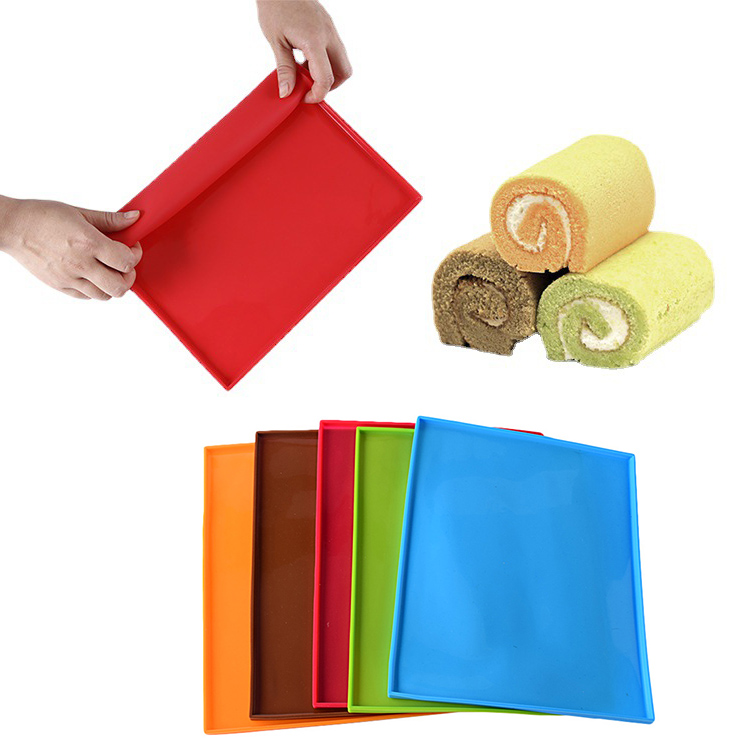
If you enjoy baking at home, you know how convenient a good silicone baking mat can be. From cookies to roasted vegetables to dough kneading, it offers a reusable, eco-friendly alternative to parchment paper.
A common question many bakers ask is: Can silicone baking mats go in the dishwasher?
The answer is yes—but there are a few things you should know to keep your mat clean, safe, and long-lasting. Let’s take a look.
A common question many bakers ask is: Can silicone baking mats go in the dishwasher?
The answer is yes—but there are a few things you should know to keep your mat clean, safe, and long-lasting. Let’s take a look.
can silicone baking mats go in the dishwasher

If you love cooking, you probably appreciate the comfort and convenience that silicone utensils bring to your kitchen. From flexible spatulas to heat-resistant spoons, they make stirring, flipping, and mixing much easier. But when it’s time to clean up, one question often comes up: Are silicone utensils dishwasher safe?
The short answer — yes! But let’s take a closer look at why silicone utensils are not only safe for dishwashers but also one of the smartest choices for a modern kitchen.
The short answer — yes! But let’s take a closer look at why silicone utensils are not only safe for dishwashers but also one of the smartest choices for a modern kitchen.
are silicone utensils dishwasher safe
SEND MESSAGE