
how often do you bathe a newborn
2025-08-01
How often do you bathe a newborn?
Bringing a newborn home is a magical experience—but also one filled with questions. One of the most common ones new parents ask is: how often should I bathe my newborn? Unlike adults, babies don't need daily baths. In fact, too much bathing can dry out a newborn's delicate skin.
The Right Bathing Frequency for Newborns
Most pediatricians recommend bathing a newborn two to three times a week during the first few months. Until the umbilical cord stump falls off, which usually happens within the first 1-2 weeks, parents should stick to sponge baths.
Once the umbilical area is healed, you can start gently bathing your baby in a small tub. But remember—less is more. Bathing every other day or even every third day is perfectly sufficient to keep your baby clean and comfortable.
Bath Time isn't Just About Cleanliness—It's a Bonding Moment
Touch plays a vital role in newborn development. Gentle washing, cradling, and soft strokes during a bath can stimulate your baby's nervous system, promoting relaxation, better sleep, and even early emotional bonding. Eye contact, soft talking, or humming a lullaby while bathing adds even more to the connection.
Especially in today's fast-paced life, bath time gives you intimate moments every day - your baby gets all your attention, and you can simply enjoy each other's company. Over time, this simple habit can help strengthen the emotional bond between you and your child and lay the foundation of trust.
To make the experience safe and soothing, it's important to choose the right tools—especially when it comes to baby brushes.
Recommended: Food-Grade best silicone body scrubber
If you're looking for a safe and effective way to gently cleanse your baby's skin, we highly recommend our Silicone Body Brush. It's thoughtfully designed to care for even the most sensitive newborn skin.
Key Features:
-
Made from 100% Food-Grade Silicone
Safe for babies, even if they chew or mouth it. It's BPA-free, phthalate-free, and non-toxic. -
Ultra-Soft Bristles
Gentle enough for daily use without causing irritation, and ideal for massaging or lathering.

-
Rich Foaming & Gentle Exfoliation
Helps create a soothing lather with just a small amount of baby wash. -
Easy to Clean & Quick-Drying
Waterproof and stain-resistant—simply rinse, shake, and let dry. This makes it less likely to harbor bacteria or mildew.

-
Durable & Heat-Resistant
Safe across a wide temperature range—from -40°C to 230°C. You can sterilize it in boiling water or store it in the fridge. -
Cute & Baby-Friendly Design
Its cute and childlike shape is very interesting for babies and easy for parents to grip.

Bathing Tips for New Parents
-
Keep it short – 5 to 10 minutes is enough.
-
Check the water temperature – Use your wrist or elbow; it should feel warm, not hot.
-
Use mild, fragrance-free cleansers – Baby's skin is ultra-sensitive.
-
Dry carefully – Pat, don’t rub. Make sure all creases are dry.

Final Thoughts
You don't have to bathe your newborn every day—but when you do, make it count. Using high-quality, baby-safe tools like a food-grade silicone body brush can make bath time more effective, hygienic, and enjoyable for both you and your baby.
Ready to upgrade your baby's bath time routine? Try our silicone baby body brush—your baby's skin will thank you.
how to make cocktail drinks
how do you melt chocolate
Related Article

When your baby starts to switch to solid food, choosing the right feeding tools is an important part of keeping meal times safe, healthy and stress-free. Among all the essential items for baby feeding, silicone baby bowls have quickly become the favorite of modern parents around the world.But why is it so important to choose the right silicone baby bowl? So how should parents screen?Let's get started.
Why choosing the right silicone baby bowl is so important

Choosing the right cup for your baby is frustrating for many new parents. From safety to durability to ease of cleaning, every detail is related to the product your baby uses every day. In recent years, silicone baby cups have become increasingly popular among parents around the world. But are they really better than traditional glasses? How do you choose the right one for your child?This guide will tell you everything you need to know.
How to Choose a Suitable Silicone Cup for Your Baby
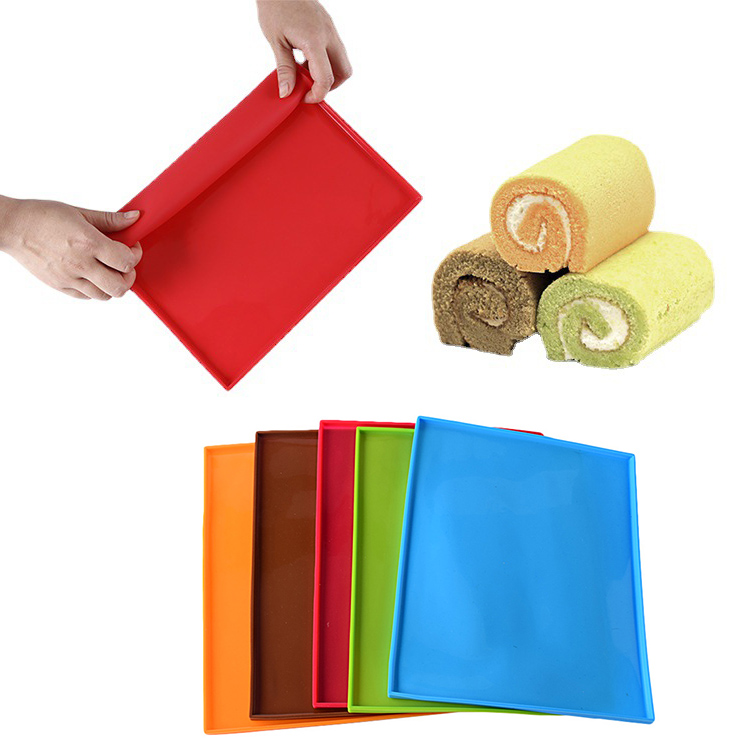
If you enjoy baking at home, you know how convenient a good silicone baking mat can be. From cookies to roasted vegetables to dough kneading, it offers a reusable, eco-friendly alternative to parchment paper.
A common question many bakers ask is: Can silicone baking mats go in the dishwasher?
The answer is yes—but there are a few things you should know to keep your mat clean, safe, and long-lasting. Let’s take a look.
A common question many bakers ask is: Can silicone baking mats go in the dishwasher?
The answer is yes—but there are a few things you should know to keep your mat clean, safe, and long-lasting. Let’s take a look.
can silicone baking mats go in the dishwasher

If you love cooking, you probably appreciate the comfort and convenience that silicone utensils bring to your kitchen. From flexible spatulas to heat-resistant spoons, they make stirring, flipping, and mixing much easier. But when it’s time to clean up, one question often comes up: Are silicone utensils dishwasher safe?
The short answer — yes! But let’s take a closer look at why silicone utensils are not only safe for dishwashers but also one of the smartest choices for a modern kitchen.
The short answer — yes! But let’s take a closer look at why silicone utensils are not only safe for dishwashers but also one of the smartest choices for a modern kitchen.
are silicone utensils dishwasher safe
SEND MESSAGE