
how often should babies bathe
2025-08-11
How Often Should Babies Bathe? A Guide for New Parents
Bathing a baby is an experience that many parents cherish very much. When your little ones enjoy the feeling of warm water on their skin, it's a great time for intimacy. However, this common parenting ritual often comes with questions, and sometimes anxiety, about when and how to do it well.
The Right Frequency: Less Is Often More
Newborns (up to 1 month old) have extremely sensitive skin that’s still developing its natural protective barrier. Pediatricians generally recommend bathing newborns 2-3 times a week—not daily. This is because frequent washing can strip their skin of essential oils, leading to dryness, irritation, or even eczema. Sponge baths are often sufficient for the first few weeks, focusing on cleaning the diaper area, face, and neck—areas that tend to get the dirtiest.
As your baby grows (around 2-6 months), you can gradually increase baths to 3-4 times a week. By the time they start crawling and exploring (6+ months), daily baths might become necessary to wash off dirt and sweat—but even then, short, lukewarm baths (5-10 minutes) are best to protect their skin.
How to help babies adapt to bathing quickly
Even with the right frequency, many babies resist bath time. Splashing water, the feeling of being wet, or simply disliking the transition from play to bath can turn this routine into a stressful chore. The good news? The right silicone bath toys can transform bath time from a struggle into a fun, bonding experience.

Recommended Product: Silicone Bath Toys for Babies
If you’re looking for safe, durable, and fun options, our silicone bath toys are designed to make bath time something your little one looks forward to:
-
100% Food-Grade Silicone: Safety is our top priority. Our bath toys are made from high-quality, BPA-free, phthalate-free, and non-toxic silicone—so you can rest easy even if your baby decides to explore them with their mouth.
-
Soft, Durable, and Anti-Drop: Unlike hard plastic toys that can crack or break, our silicone bath toys are soft to the touch (gentle on your baby’s delicate skin) and incredibly durable. They can withstand accidental drops, tugs, and squeezes—making them perfect for active little bathers.

-
Waterproof and Anti-Bacterial: No more worrying about mold or mildew! Our toys are fully waterproof with a sealed design, preventing water from getting trapped inside. This means they stay clean, dry quickly, and resist the growth of bacteria—keeping your baby safe during every bath.
-
Easy to Clean and Maintain: A quick rinse with warm water and mild soap is all it takes to keep these toys fresh, so you can spend less time cleaning and more time enjoying bath time with your baby.
-
Boosts Bath Time Interest: With bright colors, fun shapes, and playful textures, our silicone bath toys capture your baby’s attention and turn bath time into a game. Whether they’re squeezing, stacking, or splashing with their new toys, your little one will start looking forward to baths—reducing fuss and making your routine smoother.
Final Thoughts
Bathing a baby doesn't require a strict schedule. What's more important is to enhance the baby's comfort and help him gradually adapt to the process. Our silicone bath toys for babies are more than just toys; they are designed to make your baby's bath time safer, easier and more enjoyable. Say goodbye to bath time battles and hello to smiles, splashes, and sweet memories.

Check out our collection today and let the fun begin!
what to bring to work for lunch
how many mugs of green tea a day
Related Article

When your baby starts to switch to solid food, choosing the right feeding tools is an important part of keeping meal times safe, healthy and stress-free. Among all the essential items for baby feeding, silicone baby bowls have quickly become the favorite of modern parents around the world.But why is it so important to choose the right silicone baby bowl? So how should parents screen?Let's get started.
Why choosing the right silicone baby bowl is so important

Choosing the right cup for your baby is frustrating for many new parents. From safety to durability to ease of cleaning, every detail is related to the product your baby uses every day. In recent years, silicone baby cups have become increasingly popular among parents around the world. But are they really better than traditional glasses? How do you choose the right one for your child?This guide will tell you everything you need to know.
How to Choose a Suitable Silicone Cup for Your Baby
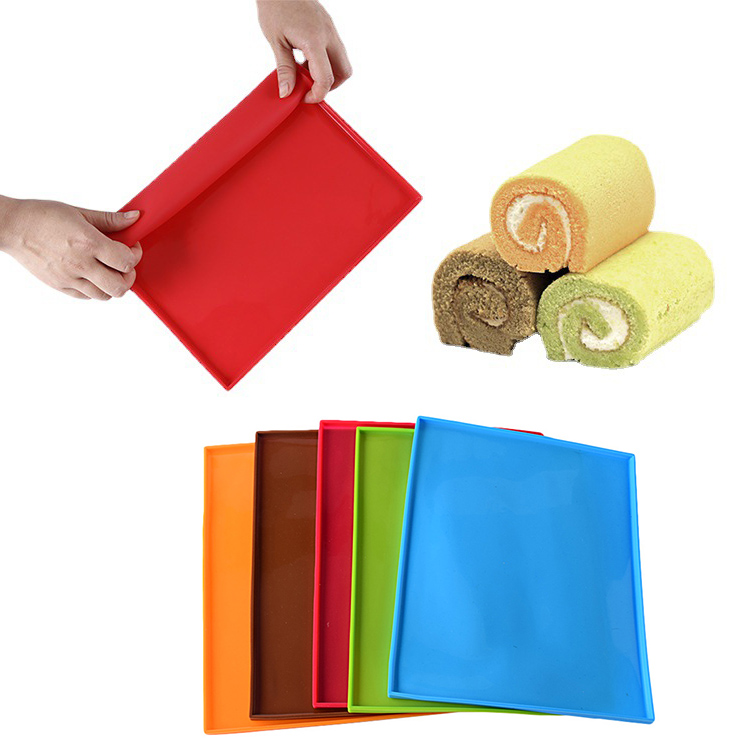
If you enjoy baking at home, you know how convenient a good silicone baking mat can be. From cookies to roasted vegetables to dough kneading, it offers a reusable, eco-friendly alternative to parchment paper.
A common question many bakers ask is: Can silicone baking mats go in the dishwasher?
The answer is yes—but there are a few things you should know to keep your mat clean, safe, and long-lasting. Let’s take a look.
A common question many bakers ask is: Can silicone baking mats go in the dishwasher?
The answer is yes—but there are a few things you should know to keep your mat clean, safe, and long-lasting. Let’s take a look.
can silicone baking mats go in the dishwasher

If you love cooking, you probably appreciate the comfort and convenience that silicone utensils bring to your kitchen. From flexible spatulas to heat-resistant spoons, they make stirring, flipping, and mixing much easier. But when it’s time to clean up, one question often comes up: Are silicone utensils dishwasher safe?
The short answer — yes! But let’s take a closer look at why silicone utensils are not only safe for dishwashers but also one of the smartest choices for a modern kitchen.
The short answer — yes! But let’s take a closer look at why silicone utensils are not only safe for dishwashers but also one of the smartest choices for a modern kitchen.
are silicone utensils dishwasher safe
SEND MESSAGE