
How often should you bathe a baby
2025-04-23
How often should you bathe a baby
As a new parent, one of the many questions you might find yourself asking is, “How often should you bathe a baby?” While it may seem like a simple question, the answer can vary depending on several factors, including your baby’s age, skin type, and lifestyle. In this blog post, we'll explore the recommended bathing frequencies for babies at different stages and provide some tips to help you keep your little one clean and comfortable.

Newborns (0 - 2 months)
For the first few weeks of life, a baby's umbilical cord stump needs time to heal. Until it falls off and the area is fully healed, sponge baths are the way to go. Newborns typically don't get very dirty, as they spend most of their time sleeping, eating, and being held. A couple of sponge baths per week are usually sufficient to keep them clean. Sponge baths help avoid getting the umbilical cord area wet, which could lead to infection.
Once the umbilical cord has healed, you can start giving your baby a tub bath. However, even then, bathing your newborn 2 - 3 times a week is enough. Their skin is very delicate and prone to dryness, and too frequent bathing can strip away the natural oils that protect it. When bathing your newborn, use a mild, fragrance - free baby soap and lukewarm water. Gently wash their face, neck, hands, feet, and diaper area, being careful not to scrub too hard.
Infants (3 - 12 months)
As your baby gets a bit older and becomes more active, they may start to get a bit dirtier, especially if they're learning to roll over, crawl, or explore their surroundings. At this stage, 3 - 4 baths per week are generally recommended. Bathing helps remove dirt, sweat, and any food or drool that has accumulated on their skin.
During this period, your baby may also start to develop a regular bath - time routine, which can be a great way to bond with them. Singing songs, playing with bath toys, and making bath time fun can help your baby feel relaxed and happy. Just make sure to keep an eye on your baby at all times during the bath, as they are becoming more mobile and could potentially slip or fall.

Toddlers (1 - 3 years)
Once your baby reaches the toddler stage, their bathing needs may change again. Toddlers are usually much more active, running around, playing outside, and getting into all sorts of messes. Depending on their daily activities, bathing them 4 - 5 times a week may be appropriate. If your toddler has been playing in the mud, sand, or has been sweating a lot, you may need to give them a bath more frequently.
At this age, you can start teaching your toddler about basic hygiene, such as how to wash their hands and body. Make bath time an educational and enjoyable experience by letting them help with the bathing process, like using a washcloth to clean themselves.
Special Considerations
-
Skin Conditions: Babies with sensitive skin, eczema, or other skin conditions may need less frequent baths. Over - bathing can exacerbate dryness and irritation. In such cases, it's best to consult a pediatrician for personalized advice on bathing frequency and the types of products to use.
-
Season and Climate: In hot and humid weather, babies may sweat more and need more frequent baths to stay clean and comfortable. In colder months, when babies are less likely to get as dirty and the air is drier, you can reduce the bathing frequency slightly.

In conclusion, there isn't a one - size - fits - all answer to how often you should bathe a baby. It depends on your baby's individual needs and circumstances. By following these general guidelines and paying attention to your baby's skin condition and daily activities, you can ensure that your little one stays clean, healthy, and happy. If you have any concerns or questions about your baby's bathing routine, don't hesitate to reach out to your pediatrician for guidance.
How to give baby a bath
Which is safer nylon or silicone cooking utensils
Related Article

When your baby starts to switch to solid food, choosing the right feeding tools is an important part of keeping meal times safe, healthy and stress-free. Among all the essential items for baby feeding, silicone baby bowls have quickly become the favorite of modern parents around the world.But why is it so important to choose the right silicone baby bowl? So how should parents screen?Let's get started.
Why choosing the right silicone baby bowl is so important

Choosing the right cup for your baby is frustrating for many new parents. From safety to durability to ease of cleaning, every detail is related to the product your baby uses every day. In recent years, silicone baby cups have become increasingly popular among parents around the world. But are they really better than traditional glasses? How do you choose the right one for your child?This guide will tell you everything you need to know.
How to Choose a Suitable Silicone Cup for Your Baby
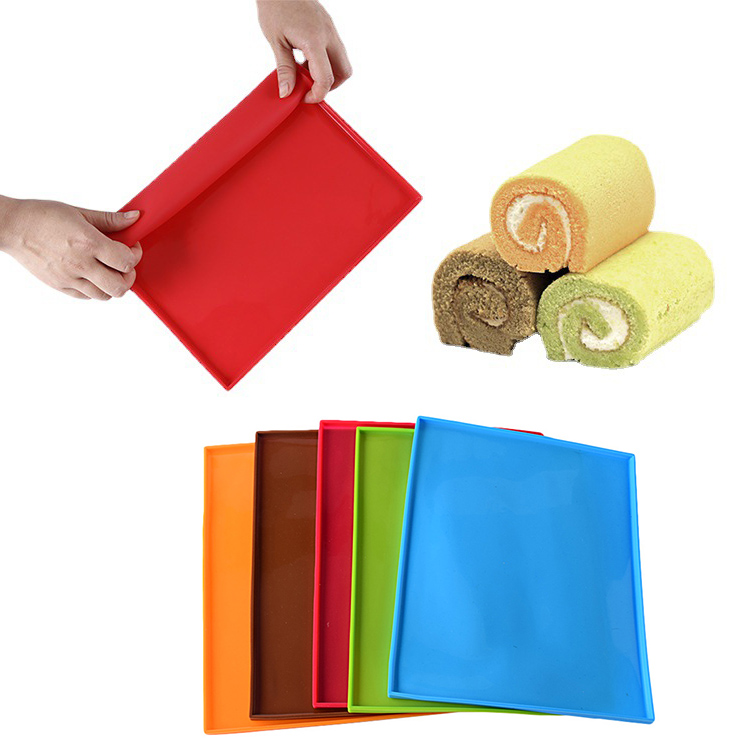
If you enjoy baking at home, you know how convenient a good silicone baking mat can be. From cookies to roasted vegetables to dough kneading, it offers a reusable, eco-friendly alternative to parchment paper.
A common question many bakers ask is: Can silicone baking mats go in the dishwasher?
The answer is yes—but there are a few things you should know to keep your mat clean, safe, and long-lasting. Let’s take a look.
A common question many bakers ask is: Can silicone baking mats go in the dishwasher?
The answer is yes—but there are a few things you should know to keep your mat clean, safe, and long-lasting. Let’s take a look.
can silicone baking mats go in the dishwasher

If you love cooking, you probably appreciate the comfort and convenience that silicone utensils bring to your kitchen. From flexible spatulas to heat-resistant spoons, they make stirring, flipping, and mixing much easier. But when it’s time to clean up, one question often comes up: Are silicone utensils dishwasher safe?
The short answer — yes! But let’s take a closer look at why silicone utensils are not only safe for dishwashers but also one of the smartest choices for a modern kitchen.
The short answer — yes! But let’s take a closer look at why silicone utensils are not only safe for dishwashers but also one of the smartest choices for a modern kitchen.
are silicone utensils dishwasher safe
SEND MESSAGE