
how old are babies when they start teething
2025-07-15
When Do Babies Start Teething? A Guide to Those First Tiny Teeth
One of the most anticipated (and sometimes tricky) milestones in a baby’s first year is the arrival of their first teeth. Parents often find themselves wondering: how old are babies when they start teething? While every child is different, there are general timelines and signs to help you prepare for this exciting stage.
The Typical Age Range for Teething Beginnings
Most babies start teething between 4 and 7 months old, though it’s not uncommon for some to begin as early as 3 months or as late as 12 months. The first teeth to break through are usually the lower central incisors—the two front teeth on the bottom. These are often followed by the upper central incisors a few months later. By the time a baby turns 1 year old, they typically have 6 to 8 teeth.
You could buy the silicone baby finger toothbrush to your baby to use . and it can protect baby's teeth better.

It’s important to note that teething is a gradual process. Before a tooth becomes visible, the gums may feel swollen or firm for weeks. Some parents mistake these early signs for teething itself, but the actual “eruption” happens when the tooth breaks through the gum line.
Why Do Teething Ages Vary?
Just like with walking or talking, teething timelines are influenced by genetics and individual development. If you or your partner started teething late as babies, your little one might follow suit. Premature babies may also begin teething a bit later, as their development often aligns with their adjusted age rather than their birth date.
Health and nutrition can play a role too. Babies who are well-nourished with adequate calcium and vitamin D tend to have stronger teeth, but this doesn’t necessarily speed up teething. In most cases, late teething isn’t a cause for concern—though if your baby hasn’t gotten any teeth by 18 months, it’s a good idea to check in with their pediatrician.

Signs That Teething Is Starting
Even if you’re not sure how old your baby will be when they start teething, their behavior can give you clues. Common signs include:
-
Increased drooling (which may lead to a rash on the chin)
-
Gnawing or biting on toys, hands, or anything within reach,it's best choose for you will buy the silicone teething for your baby to use .
-
Mild fussiness or irritability, especially in the evening
-
Swollen, red, or tender gums
-
Temporary loss of appetite (due to sore gums)
-
Slight fever (though a high fever is not a normal teething symptom and should be checked by a doctor)
These symptoms usually peak a day or two before the tooth emerges and improve once it’s through. Every baby reacts differently—some sail through teething with barely a whimper, while others need extra comfort.

How to Help Your Teething Baby
When those first teeth start making their way in, you can ease your baby’s discomfort with a few simple strategies:
-
Offer a clean, chilled teething ring (avoid frozen items, which can damage gums)
-
Gently rub their gums with a clean finger or a damp washcloth
-
For babies over 6 months, cold, soft foods like yogurt or applesauce can soothe sore gums
-
If fussiness is severe, talk to your pediatrician about infant acetaminophen or ibuprofen (always follow dosage instructions)
Celebrating the Milestone
No matter how old your baby is when they start teething, you will need to start to you brush your baby's teeth in our silicone finger toothbrush. As more teeth come in, you’ll start noticing new smiles and even the beginnings of chewing—opening up a whole new world of solid foods. you could buy some our silicone baby teething for your baby to chew .

Remember, teething is just one step in your baby’s growth journey. Enjoy the process, stay patient through the fussy days, and celebrate each little tooth as a sign of how far they’ve come. Before you know it, you’ll be chasing them around, reminding them to brush those pearly whites!
how old do babies start teething
how do i know if my baby is teething
Related Article

When your baby starts to switch to solid food, choosing the right feeding tools is an important part of keeping meal times safe, healthy and stress-free. Among all the essential items for baby feeding, silicone baby bowls have quickly become the favorite of modern parents around the world.But why is it so important to choose the right silicone baby bowl? So how should parents screen?Let's get started.
Why choosing the right silicone baby bowl is so important

Choosing the right cup for your baby is frustrating for many new parents. From safety to durability to ease of cleaning, every detail is related to the product your baby uses every day. In recent years, silicone baby cups have become increasingly popular among parents around the world. But are they really better than traditional glasses? How do you choose the right one for your child?This guide will tell you everything you need to know.
How to Choose a Suitable Silicone Cup for Your Baby
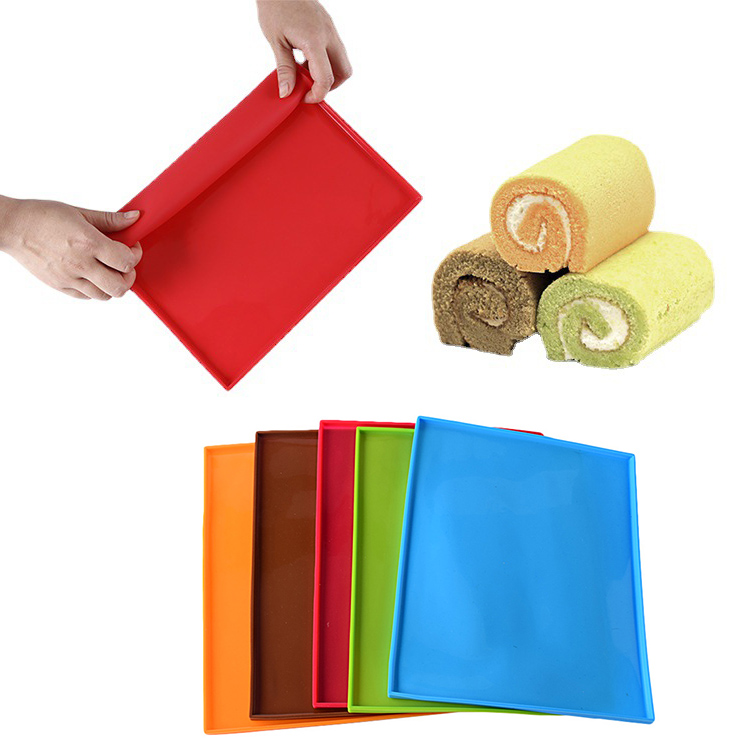
If you enjoy baking at home, you know how convenient a good silicone baking mat can be. From cookies to roasted vegetables to dough kneading, it offers a reusable, eco-friendly alternative to parchment paper.
A common question many bakers ask is: Can silicone baking mats go in the dishwasher?
The answer is yes—but there are a few things you should know to keep your mat clean, safe, and long-lasting. Let’s take a look.
A common question many bakers ask is: Can silicone baking mats go in the dishwasher?
The answer is yes—but there are a few things you should know to keep your mat clean, safe, and long-lasting. Let’s take a look.
can silicone baking mats go in the dishwasher

If you love cooking, you probably appreciate the comfort and convenience that silicone utensils bring to your kitchen. From flexible spatulas to heat-resistant spoons, they make stirring, flipping, and mixing much easier. But when it’s time to clean up, one question often comes up: Are silicone utensils dishwasher safe?
The short answer — yes! But let’s take a closer look at why silicone utensils are not only safe for dishwashers but also one of the smartest choices for a modern kitchen.
The short answer — yes! But let’s take a closer look at why silicone utensils are not only safe for dishwashers but also one of the smartest choices for a modern kitchen.
are silicone utensils dishwasher safe
SEND MESSAGE