
How to bottle feed a baby
2025-06-06
How to Bottle Feed a Baby: A Step-by-Step Guide for New Parents
Feeding your baby with a bottle can feel daunting for new parents, but with the right preparation and techniques, it can become a smooth and bonding experience. Whether you’re supplementing breastfeeding or exclusively bottle-feeding, following these steps will help ensure your little one is fed safely and comfortably.

Prepare the Bottle and Formula Properly
Start by washing your hands thoroughly with soap and water to maintain hygiene. Sterilize the bottle, nipple, ring, and cap before the first use—you can do this by boiling them in water for 5 minutes or using an electric sterilizer. For formula feeding, check the expiration date on the formula can and follow the instructions to measure the correct amount of water and powder. Use warm (not hot) water to mix the formula, swirling the bottle gently to avoid bubbles that can cause gas. If you’re using expressed breast milk, thaw it in a bowl of warm water or the refrigerator and never microwave it, as this can damage nutrients and create hot spots.
Create a Comfortable Feeding Environment
Find a quiet, cozy spot free from distractions. Sit in a comfortable chair with armrests, and place a pillow on your lap to support the baby’s body. Hold your baby in a semi-upright position, similar to how they would be held during breastfeeding, with their head slightly higher than their stomach. This helps prevent ear infections and makes it easier for them to swallow. Make eye contact and talk to your baby softly to create a bonding moment—even young infants respond to your voice and facial expressions.

Position the Bottle Correctly
Tilt the bottle so that the nipple is always filled with milk to prevent your baby from swallowing air. The milk should cover the entire nipple when held at a 45-degree angle. Gently touch the nipple to your baby’s lower lip to encourage them to open their mouth, then insert the nipple into their mouth, ensuring the areola (the base of the nipple) is also inside. Avoid forcing the bottle into their mouth; let them latch on naturally. If your baby is fussy, take a break and check if the nipple flow is too fast or slow—newborns typically need a slow-flow nipple, which can be upgraded as they grow.
Monitor Your Baby During Feeding
Pay attention to your baby’s cues throughout the feeding. They may pause, look away, or push the bottle away when they’re full—never force them to finish the bottle. Burp your baby halfway through the feeding and again at the end to release any swallowed air. To burp, hold them upright on your shoulder, gently pat their back, or sit them on your lap and support their chin while rubbing their back. After feeding, keep your baby upright for 10-15 minutes to prevent spit-up. If you notice excessive spitting up, coughing, or difficulty breathing, contact your pediatrician as these could be signs of an issue.

Clean Up and Store Properly
After feeding, disassemble the bottle immediately and rinse all parts with warm water. Use a bottle brush to clean the inside of the bottle and nipple, ensuring no milk residue is left. Place the parts in the dishwasher or wash them by hand with warm, soapy water, then rinse thoroughly. Allow them to air dry on a clean rack. If there’s leftover formula or breast milk in the bottle, discard it after feeding—never save it for later, as it can harbor bacteria. For breast milk that wasn’t used, you can store it in the refrigerator for up to 4 hours if it was at room temperature during feeding, but always check guidelines for proper storage.
Feeding your baby with a bottle is not just about nourishment—it’s an opportunity to connect and nurture your little one. With practice, you’ll become more confident in the process, and your baby will appreciate the warmth and care you put into each feeding. Remember to trust your instincts and consult your pediatrician if you have any concerns about your baby’s feeding habits or growth.
Silicone vs Rubber Pacifier
When to start feeding baby food
Related Article

When your baby starts to switch to solid food, choosing the right feeding tools is an important part of keeping meal times safe, healthy and stress-free. Among all the essential items for baby feeding, silicone baby bowls have quickly become the favorite of modern parents around the world.But why is it so important to choose the right silicone baby bowl? So how should parents screen?Let's get started.
Why choosing the right silicone baby bowl is so important

Choosing the right cup for your baby is frustrating for many new parents. From safety to durability to ease of cleaning, every detail is related to the product your baby uses every day. In recent years, silicone baby cups have become increasingly popular among parents around the world. But are they really better than traditional glasses? How do you choose the right one for your child?This guide will tell you everything you need to know.
How to Choose a Suitable Silicone Cup for Your Baby
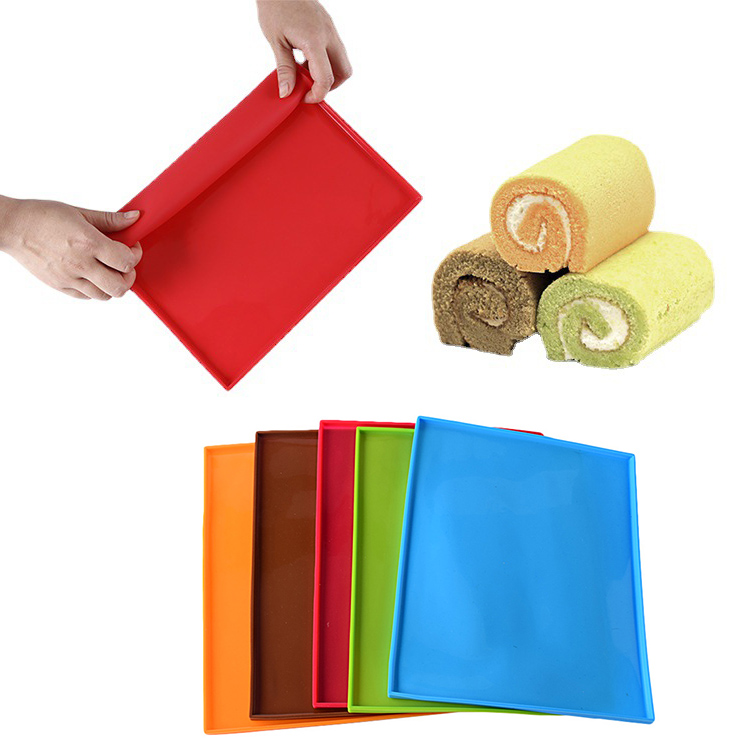
If you enjoy baking at home, you know how convenient a good silicone baking mat can be. From cookies to roasted vegetables to dough kneading, it offers a reusable, eco-friendly alternative to parchment paper.
A common question many bakers ask is: Can silicone baking mats go in the dishwasher?
The answer is yes—but there are a few things you should know to keep your mat clean, safe, and long-lasting. Let’s take a look.
A common question many bakers ask is: Can silicone baking mats go in the dishwasher?
The answer is yes—but there are a few things you should know to keep your mat clean, safe, and long-lasting. Let’s take a look.
can silicone baking mats go in the dishwasher

If you love cooking, you probably appreciate the comfort and convenience that silicone utensils bring to your kitchen. From flexible spatulas to heat-resistant spoons, they make stirring, flipping, and mixing much easier. But when it’s time to clean up, one question often comes up: Are silicone utensils dishwasher safe?
The short answer — yes! But let’s take a closer look at why silicone utensils are not only safe for dishwashers but also one of the smartest choices for a modern kitchen.
The short answer — yes! But let’s take a closer look at why silicone utensils are not only safe for dishwashers but also one of the smartest choices for a modern kitchen.
are silicone utensils dishwasher safe
SEND MESSAGE