
how to clean a cutting board
2025-08-08
How to clean a cutting board
The cutting board is one of the most commonly used tools in the kitchen - from cutting vegetables to cutting meat. However, as they often come into contact with raw materials, if not cleaned properly, they can easily become breeding grounds for bacteria.Learning how to clean a cutting board properly will not only help protect your health, but also extend the life of the cutting board itself.
Why Proper Cutting Board Cleaning Matters
When handling raw meat, fish, and vegetables, bacteria can easily remain on cutting boards, increasing the risk of cross-contamination. If bacteria on cutting boards are not thoroughly cleaned, they can contaminate food and cause health problems such as food poisoning. Common bacteria include Salmonella, E. coli, and Listeria. Regular underwater rinsing is not sufficient; proper cleaning is essential to prevent cross-contamination and foodborne illness.
How to Clean a Cutting Board Effectively

Step 1 – Rinse Immediately After Use
As soon as you’re done chopping, rinse the board under hot running water to remove food debris before it dries.
Step 2 – Wash with Soap and Hot Water
Use mild dish soap and a soft sponge to scrub the entire surface. Pay extra attention to knife grooves where food particles can hide.
Step 3 – Disinfect (Optional but Recommended)
For deeper cleaning, especially after cutting raw meat, mix a solution of one part white vinegar to four parts water, or sprinkle baking soda followed by a light scrub.
Step 4 – Dry Completely
Never store a damp cutting board — moisture encourages bacterial growth. Towel-dry or air-dry upright for better airflow.
The Problem with Traditional Cutting Boards
-
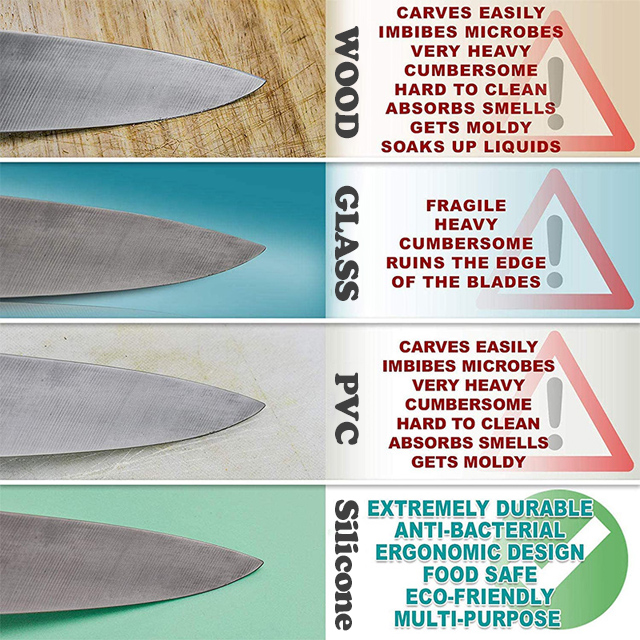
Wooden cutting boards have natural pores, and juices and food debris generated when cutting vegetables can easily seep into the interior, making it difficult to thoroughly drain moisture. Long-term use can lead to mold growth. They are also difficult to maintain, prone to cracking and warping, heavy, and inconvenient to use.
-
Plastic cutting boards are prone to scratches, which can become hiding places for food residue and bacteria.Studies have shown that after prolonged use, the number of bacteria in the scratches of a plastic cutting board may far exceed that of a wooden cutting board.Most plastic cutting boards are not heat-resistant. When exposed to extremely hot food (such as freshly cooked dishes), they may deform due to high temperatures or even release harmful chemicals like phthalates, contaminating the food.Additionally, they have a shorter lifespan and are prone to aging.
Why Silicone Cutting Boards Are a better choice
If you’re looking for a cutting board that’s hygienic, durable, and easy to maintain, silicone cutting boards check all the boxes:

-
High Heat Resistance (up to~230℃) – Safe for sterilization in boiling water or even dishwasher heat cycles.
-
Easy to Clean – Non-porous surface resists stains and odors, so you can quickly rinse or wash without scrubbing endlessly.
-
Scratch-Resistant & Durable – Withstands repeated knife use without deep grooves that trap bacteria.
-
Shockproof & Anti-Slip – Stays stable while you chop, and resists damage if dropped.
-
Food-Grade & Toxin-Free – Made from premium silicone that’s BPA-free and phthalate-free, keeping your food safe.
-
Dishwasher Safe & Quick-Dry – Convenient cleaning without risk of warping, plus dries fast to prevent bacterial growth.
By switching to silicone, you can cut down on cleaning time and keep your prep area more sanitary.
The final idea
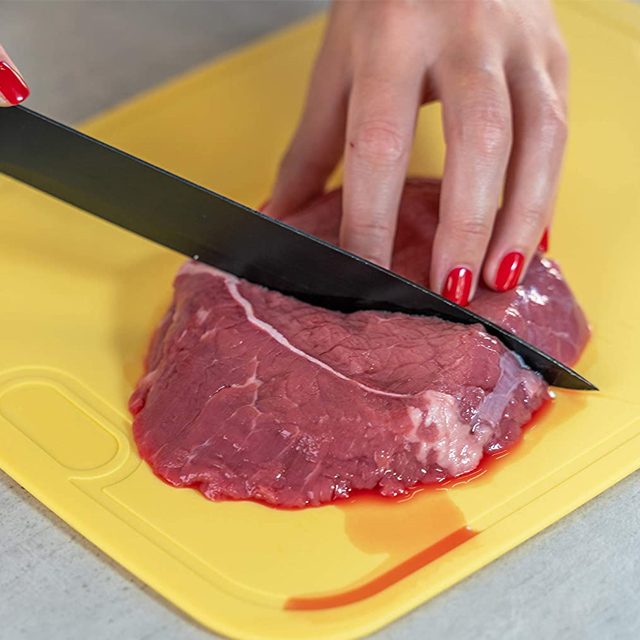
Cleaning the chopping board is not only for aesthetic purposes but also to ensure the safety of food. With the right cleaning techniques and the right tools, you can prepare meals with confidence.If you're looking to make things even simpler, silicone cutting boards offer the perfect combination of hygiene, durability, and convenience for everyday cooking.
Healthy cooking starts with a clean surface — so make it count.
how many mugs of green tea a day
how to make fish in the oven
Related Article

When your baby starts to switch to solid food, choosing the right feeding tools is an important part of keeping meal times safe, healthy and stress-free. Among all the essential items for baby feeding, silicone baby bowls have quickly become the favorite of modern parents around the world.But why is it so important to choose the right silicone baby bowl? So how should parents screen?Let's get started.
Why choosing the right silicone baby bowl is so important

Choosing the right cup for your baby is frustrating for many new parents. From safety to durability to ease of cleaning, every detail is related to the product your baby uses every day. In recent years, silicone baby cups have become increasingly popular among parents around the world. But are they really better than traditional glasses? How do you choose the right one for your child?This guide will tell you everything you need to know.
How to Choose a Suitable Silicone Cup for Your Baby
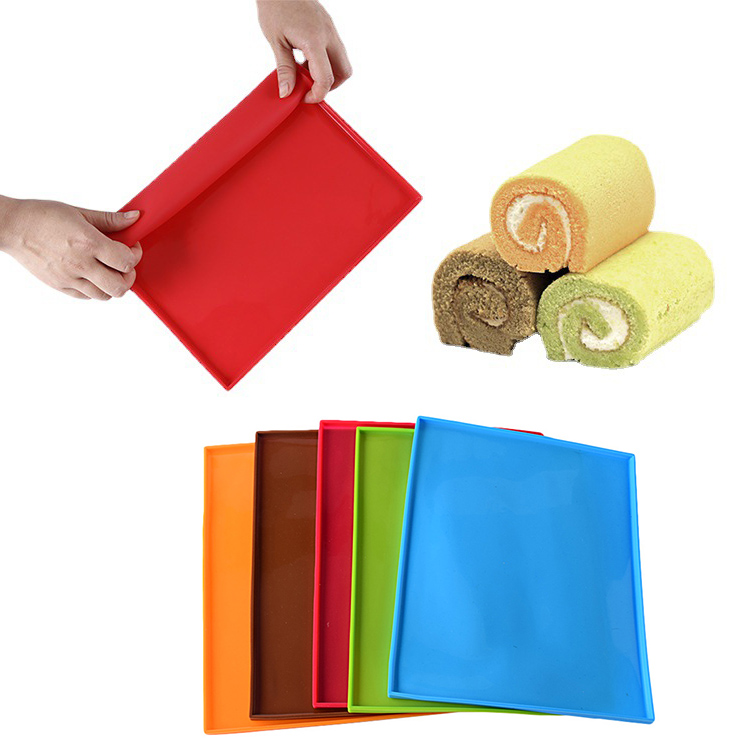
If you enjoy baking at home, you know how convenient a good silicone baking mat can be. From cookies to roasted vegetables to dough kneading, it offers a reusable, eco-friendly alternative to parchment paper.
A common question many bakers ask is: Can silicone baking mats go in the dishwasher?
The answer is yes—but there are a few things you should know to keep your mat clean, safe, and long-lasting. Let’s take a look.
A common question many bakers ask is: Can silicone baking mats go in the dishwasher?
The answer is yes—but there are a few things you should know to keep your mat clean, safe, and long-lasting. Let’s take a look.
can silicone baking mats go in the dishwasher

If you love cooking, you probably appreciate the comfort and convenience that silicone utensils bring to your kitchen. From flexible spatulas to heat-resistant spoons, they make stirring, flipping, and mixing much easier. But when it’s time to clean up, one question often comes up: Are silicone utensils dishwasher safe?
The short answer — yes! But let’s take a closer look at why silicone utensils are not only safe for dishwashers but also one of the smartest choices for a modern kitchen.
The short answer — yes! But let’s take a closer look at why silicone utensils are not only safe for dishwashers but also one of the smartest choices for a modern kitchen.
are silicone utensils dishwasher safe
SEND MESSAGE