
how to clean baby toys
2025-07-09
how to clean baby toys
If you’re a parent, you’ve probably noticed: baby toys go everywhere. From the high chair tray to the floor, and even straight into tiny mouths. Keeping them clean isn’t just about tidiness—it’s about protecting your little one from germs. As a manufacturer of silicone baby toys, we’re sharing expert tips on cleaning baby toys, plus why silicone makes this essential task so much easier.
Why Cleaning Baby Toys Matters
Babies explore the world with their hands and mouths, which means their toys collect saliva, food crumbs, and bacteria daily. The American Academy of Pediatrics (AAP) recommends regular cleaning to reduce the risk of illness, especially for toys that spend a lot of time in your baby’s mouth or on dirty surfaces. For younger babies, whose immune systems are still developing, this is even more crucial.

How to Clean Baby Toys: A Step-by-Step Breakdown
The right cleaning method depends on the toy’s material, but here’s a general guide that works for most:
-
Daily Quick Clean: For a fast refresh, wipe toys with a damp cloth. This is perfect for days when you don’t have time for a deep clean but want to remove surface grime.
-
Weekly Deep Clean:
-
-
Machine-Washable Toys: Check the label—some fabric toys can go in the washing machine on a gentle cycle (use mild, fragrance-free detergent).
-
-
-
Hard Plastic or Silicone Toys: These can be washed in warm, soapy water. Scrub gently with a soft brush to reach crevices, then rinse thoroughly.
-
-
Disinfecting When Needed: If your baby is sick, disinfect toys using a solution of 1 part white vinegar to 5 parts water (safe and chemical-free) or a baby-safe disinfectant wipe. Always rinse afterward to remove residue.

Why Silicone Baby Toys Are a Cleaning Game-Changer
Not all baby toys are created equal when it comes to cleaning—and our silicone toys stand out for all the right reasons:
-
Non-Porous and Germ-Resistant: Unlike fabric or porous plastics, silicone doesn’t trap moisture or bacteria. This means fewer germs linger, even between deep cleans. A quick wipe with a damp cloth is often enough to keep them fresh.
-
Dishwasher-Safe Convenience: Most of our silicone baby toys are 100% dishwasher-safe (top rack recommended). Toss them in during your regular cycle, and they come out sparkling clean—no scrubbing required. Perfect for busy parents!
-
Withstands High Temperatures: Silicone can handle hot water and even boiling (for small toys), making it easy to disinfect without warping or damaging the material. This is a huge plus for parents who want extra peace of mind.
-
No Hidden Crevices: Our designs are smooth with minimal seams, so there’s nowhere for crumbs or mold to hide. Cleaning becomes a breeze—no need to dig into tiny cracks with a toothbrush.
Pro Tips for Silicone Toy Care
-
Avoid harsh chemicals like bleach, which can degrade silicone over time. Mild soap and water work best.
-
After cleaning, let silicone toys air dry completely—their quick-drying nature means they’ll be ready for playtime in no time.
-
For teething toys (a popular use for our silicone designs!), a daily wipe and weekly deep clean will keep them safe for those constant chews.

Final Thought
Cleaning baby toys doesn’t have to be a chore—especially when you choose toys designed with practicality in mind. Our silicone baby toys combine safety, durability, and easy cleaning, so you can spend less time scrubbing and more time enjoying playtime with your little one. After all, the best toys are the ones that are both fun and easy to keep safe.

how to wash baby toys
what are educational toys
Related Article

When your baby starts to switch to solid food, choosing the right feeding tools is an important part of keeping meal times safe, healthy and stress-free. Among all the essential items for baby feeding, silicone baby bowls have quickly become the favorite of modern parents around the world.But why is it so important to choose the right silicone baby bowl? So how should parents screen?Let's get started.
Why choosing the right silicone baby bowl is so important

Choosing the right cup for your baby is frustrating for many new parents. From safety to durability to ease of cleaning, every detail is related to the product your baby uses every day. In recent years, silicone baby cups have become increasingly popular among parents around the world. But are they really better than traditional glasses? How do you choose the right one for your child?This guide will tell you everything you need to know.
How to Choose a Suitable Silicone Cup for Your Baby
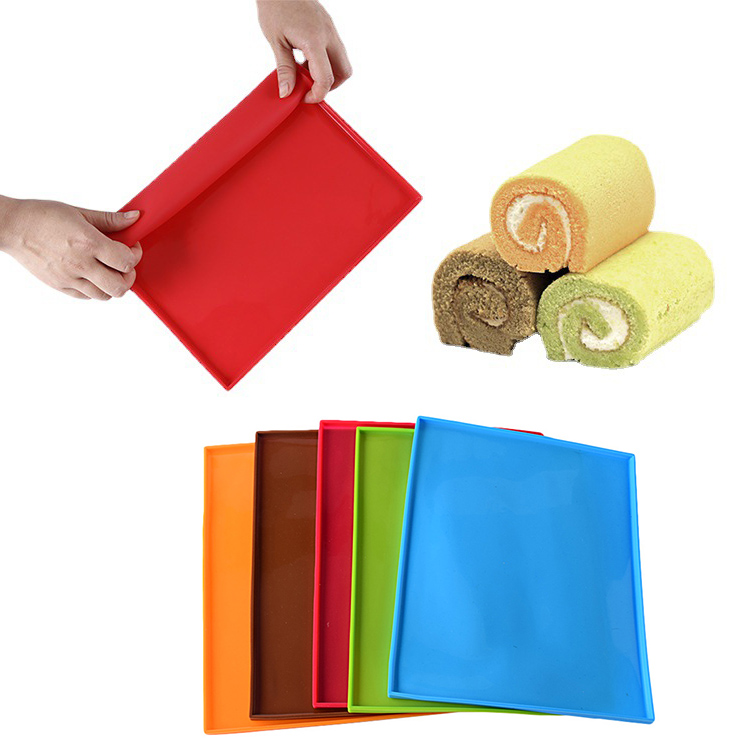
If you enjoy baking at home, you know how convenient a good silicone baking mat can be. From cookies to roasted vegetables to dough kneading, it offers a reusable, eco-friendly alternative to parchment paper.
A common question many bakers ask is: Can silicone baking mats go in the dishwasher?
The answer is yes—but there are a few things you should know to keep your mat clean, safe, and long-lasting. Let’s take a look.
A common question many bakers ask is: Can silicone baking mats go in the dishwasher?
The answer is yes—but there are a few things you should know to keep your mat clean, safe, and long-lasting. Let’s take a look.
can silicone baking mats go in the dishwasher

If you love cooking, you probably appreciate the comfort and convenience that silicone utensils bring to your kitchen. From flexible spatulas to heat-resistant spoons, they make stirring, flipping, and mixing much easier. But when it’s time to clean up, one question often comes up: Are silicone utensils dishwasher safe?
The short answer — yes! But let’s take a closer look at why silicone utensils are not only safe for dishwashers but also one of the smartest choices for a modern kitchen.
The short answer — yes! But let’s take a closer look at why silicone utensils are not only safe for dishwashers but also one of the smartest choices for a modern kitchen.
are silicone utensils dishwasher safe
SEND MESSAGE