
How to clean silicone plates
2025-04-24
How to Clean Silicone Plates: A Comprehensive Guide
Silicone plates have become increasingly popular in recent years due to their durability, flexibility, and non-stick properties. However, like any kitchenware, they need proper cleaning to maintain their quality and hygiene. In this blog post, we will guide you through the step - by - step process of cleaning silicone plates effectively.

Preparation Before Cleaning
Before you start cleaning, gather all the necessary supplies. You will need warm water, mild dish soap, a soft sponge or cloth, and a clean towel. Avoid using abrasive materials such as steel wool or harsh scrubbers, as they can scratch the surface of the silicone plates and damage their non - stick coating.

Step - by - Step Cleaning Process
1. Remove Food Residue
First, scrape off any large pieces of food from the plates. You can use a spatula or the edge of a spoon to do this. This initial step makes the subsequent cleaning process more efficient.
2. Soak in Warm, Soapy Water
Fill your sink or a large basin with warm water and add a few drops of mild dish soap. Place the silicone plates in the soapy water and let them soak for about 10 - 15 minutes. Soaking helps to loosen stuck - on food and makes it easier to clean.
3. Gentle Scrubbing
After soaking, use a soft sponge or cloth to gently scrub the plates. Pay special attention to areas with stubborn stains or food residue. Rub in circular motions, applying light pressure. If there are small crevices or corners, you can use a soft - bristled brush to clean them thoroughly.
4. Rinse Thoroughly
Once you have scrubbed the plates clean, rinse them under running warm water. Make sure to remove all the soap residue. Any remaining soap can affect the taste of food the next time you use the plates.

Handling Different Types of Stains
Greasy Stains
For greasy stains, you can add a small amount of baking soda to your soapy water. Baking soda is a natural de - greaser and can effectively break down oil and grease. After soaking the plates in the baking - soda - enhanced soapy water, scrub as usual.
Stains from Colored Foods
If your silicone plates have stains from colored foods like tomato sauce or beetroot, lemon juice can be a great solution. Squeeze some fresh lemon juice onto the stained areas and let it sit for a few minutes before scrubbing. The acidic nature of lemon juice helps to lift the stains.

Drying and Storage
After rinsing, dry the silicone plates thoroughly with a clean towel or let them air dry. Make sure they are completely dry before storing to prevent the growth of mold and mildew. Store the plates in a dry place, preferably in a cabinet or drawer where they won't be squashed or damaged.
By following these simple steps, you can keep your silicone plates clean, safe, and ready for use. Regular cleaning not only ensures the longevity of your plates but also guarantees that your food remains free from any unwanted residues or bacteria.
Are wooden spoons better than silicone
Are silicone plates microwave safe
Related Article

When your baby starts to switch to solid food, choosing the right feeding tools is an important part of keeping meal times safe, healthy and stress-free. Among all the essential items for baby feeding, silicone baby bowls have quickly become the favorite of modern parents around the world.But why is it so important to choose the right silicone baby bowl? So how should parents screen?Let's get started.
Why choosing the right silicone baby bowl is so important

Choosing the right cup for your baby is frustrating for many new parents. From safety to durability to ease of cleaning, every detail is related to the product your baby uses every day. In recent years, silicone baby cups have become increasingly popular among parents around the world. But are they really better than traditional glasses? How do you choose the right one for your child?This guide will tell you everything you need to know.
How to Choose a Suitable Silicone Cup for Your Baby
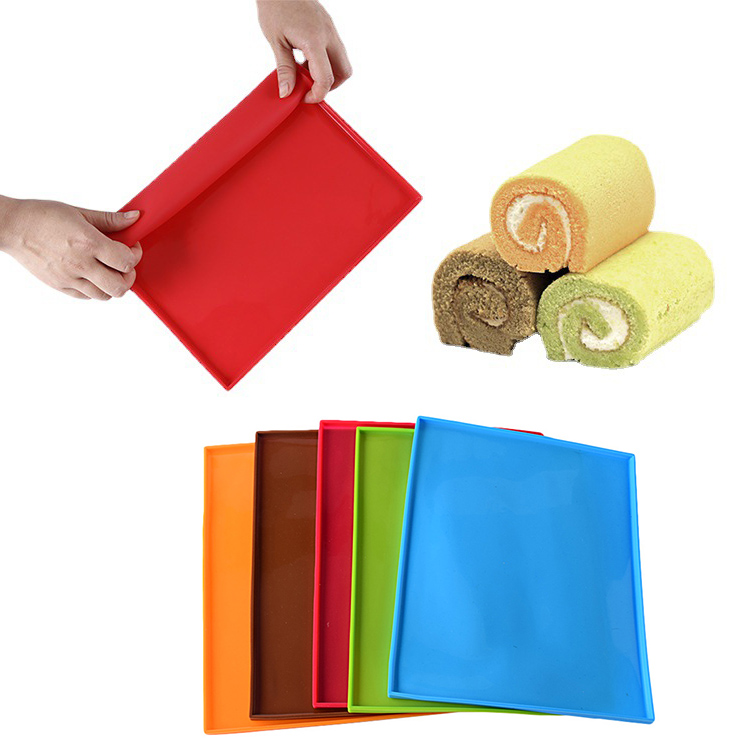
If you enjoy baking at home, you know how convenient a good silicone baking mat can be. From cookies to roasted vegetables to dough kneading, it offers a reusable, eco-friendly alternative to parchment paper.
A common question many bakers ask is: Can silicone baking mats go in the dishwasher?
The answer is yes—but there are a few things you should know to keep your mat clean, safe, and long-lasting. Let’s take a look.
A common question many bakers ask is: Can silicone baking mats go in the dishwasher?
The answer is yes—but there are a few things you should know to keep your mat clean, safe, and long-lasting. Let’s take a look.
can silicone baking mats go in the dishwasher

If you love cooking, you probably appreciate the comfort and convenience that silicone utensils bring to your kitchen. From flexible spatulas to heat-resistant spoons, they make stirring, flipping, and mixing much easier. But when it’s time to clean up, one question often comes up: Are silicone utensils dishwasher safe?
The short answer — yes! But let’s take a closer look at why silicone utensils are not only safe for dishwashers but also one of the smartest choices for a modern kitchen.
The short answer — yes! But let’s take a closer look at why silicone utensils are not only safe for dishwashers but also one of the smartest choices for a modern kitchen.
are silicone utensils dishwasher safe
SEND MESSAGE