
how to clean silicone travel bottles
2025-07-02
How to Clean Silicone Travel Bottles: A Step-by-Step Guide
Silicone travel bottles are a traveler's best friend—they're lightweight, leak-proof, and flexible. However, to keep them hygienic and extend their lifespan, proper cleaning is essential. Whether you've used them for shampoo, lotion, or other liquids, here’s a comprehensive guide on how to clean silicone travel bottles effectively.
Why Regular Cleaning Matters
Silicone is durable and resistant to stains, but residue from products can accumulate over time, leading to bacteria growth and unpleasant odors. Regular cleaning ensures that your next use is safe and free from any unwanted residues.

Pre-Cleaning Preparation
Before you start cleaning, gather the necessary supplies:
-
Mild Dish Soap: Avoid harsh chemicals that could damage the silicone.
-
Soft Brush: A bottle brush with soft bristles works best for reaching the inside of the bottles. If you don't have a bottle brush, a toothbrush can be a good alternative.
-
Hot Water: Helps dissolve product residues effectively.
-
Towels or Drying Rack: For air-drying the bottles after cleaning.
Step-by-Step Cleaning Process
-
Empty and Rinse: Start by squeezing out any remaining product. Then, rinse the bottles thoroughly under warm running water to remove as much residue as possible. Turn the bottles inside out if they’re flexible enough to access all surfaces.
-
Soap Solution: Fill a bowl or sink with warm water and add a few drops of mild dish soap. Swirl the water to create a soapy mixture.
-
Scrub Gently: Place the bottles in the soapy water and use the soft brush to scrub the interior and exterior. Pay extra attention to the neck, cap threads, and any crevices where residue can hide. For stubborn stains, let the bottles soak in the soapy water for 10–15 minutes before scrubbing again.
-
Rinse Thoroughly: Once you’ve scrubbed the bottles clean, rinse them under running hot water. Make sure to remove all traces of soap, as any leftover soap can mix with your products and cause irritation.
-
Dry Completely: Shake off excess water and place the bottles on a clean towel or drying rack. If possible, leave them open and upside down to allow air to circulate and dry all surfaces. Avoid using a towel to dry the inside, as it can introduce lint or bacteria.

Additional Tips for Maintenance
-
Deep Clean Regularly: Once a month, consider a deeper clean. You can soak the bottles in a mixture of warm water and white vinegar (1 part vinegar to 3 parts water) for 30 minutes to eliminate tough odors and bacteria.
-
Avoid Extreme Temperatures: While silicone is heat-resistant, avoid exposing it to boiling water or high heat for extended periods, as it may affect the material's integrity over time.
-
Store Properly: Keep your clean bottles in a dry, cool place. Avoid storing them in direct sunlight or areas with high humidity, which can encourage mold growth.
By following these simple steps, you can keep your silicone travel bottles clean, safe, and ready for your next adventure. Remember, a little maintenance goes a long way in ensuring your travel essentials stay in top condition!
when do kids lose baby teeth
are silicone travel bottles safe
Related Article

When your baby starts to switch to solid food, choosing the right feeding tools is an important part of keeping meal times safe, healthy and stress-free. Among all the essential items for baby feeding, silicone baby bowls have quickly become the favorite of modern parents around the world.But why is it so important to choose the right silicone baby bowl? So how should parents screen?Let's get started.
Why choosing the right silicone baby bowl is so important

Choosing the right cup for your baby is frustrating for many new parents. From safety to durability to ease of cleaning, every detail is related to the product your baby uses every day. In recent years, silicone baby cups have become increasingly popular among parents around the world. But are they really better than traditional glasses? How do you choose the right one for your child?This guide will tell you everything you need to know.
How to Choose a Suitable Silicone Cup for Your Baby
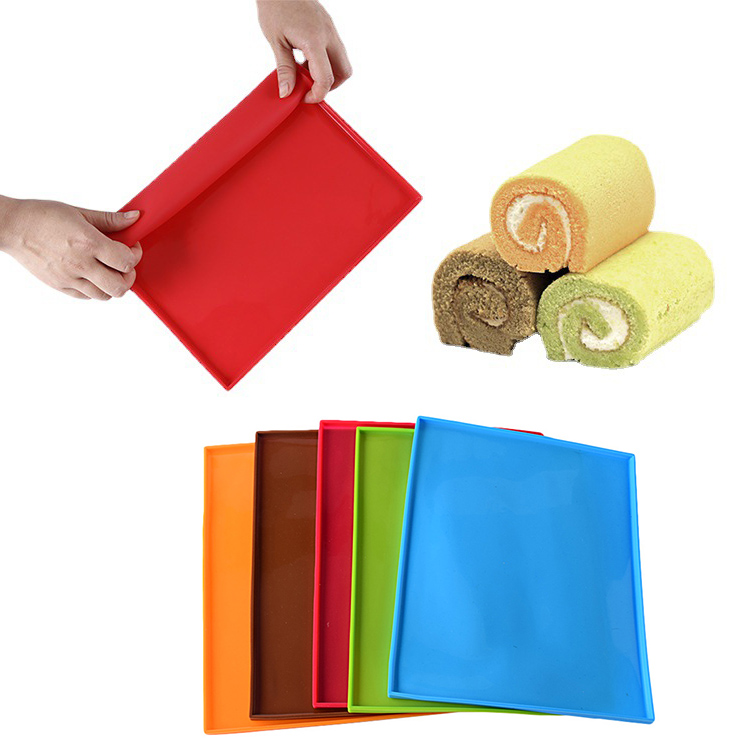
If you enjoy baking at home, you know how convenient a good silicone baking mat can be. From cookies to roasted vegetables to dough kneading, it offers a reusable, eco-friendly alternative to parchment paper.
A common question many bakers ask is: Can silicone baking mats go in the dishwasher?
The answer is yes—but there are a few things you should know to keep your mat clean, safe, and long-lasting. Let’s take a look.
A common question many bakers ask is: Can silicone baking mats go in the dishwasher?
The answer is yes—but there are a few things you should know to keep your mat clean, safe, and long-lasting. Let’s take a look.
can silicone baking mats go in the dishwasher

If you love cooking, you probably appreciate the comfort and convenience that silicone utensils bring to your kitchen. From flexible spatulas to heat-resistant spoons, they make stirring, flipping, and mixing much easier. But when it’s time to clean up, one question often comes up: Are silicone utensils dishwasher safe?
The short answer — yes! But let’s take a closer look at why silicone utensils are not only safe for dishwashers but also one of the smartest choices for a modern kitchen.
The short answer — yes! But let’s take a closer look at why silicone utensils are not only safe for dishwashers but also one of the smartest choices for a modern kitchen.
are silicone utensils dishwasher safe
SEND MESSAGE