
how to disinfect baby toys
2025-07-10
How to Disinfect Baby Toys
Babies have a knack for turning their toys into germ magnets—whether it’s teething on a rattle, dropping a stuffed animal on the floor, or slobbering all over a sensory ball. Disinfecting baby toys isn’t just about cleanliness; it’s about protecting your little one from harmful bacteria and viruses, especially since their immune systems are still developing. As a manufacturer of silicone baby toys, we’re sharing expert tips on how to disinfect baby toys effectively, plus why silicone makes this process simpler and safer.

When to Disinfect Baby Toys
Disinfection goes a step beyond regular cleaning—it kills germs rather than just removing visible dirt. Prioritize disinfecting in these situations:
-
After your baby has been sick (colds, flu, or stomach bugs)
-
If a toy is dropped on a dirty surface (like public floors or bathroom tiles)
-
For frequently mouthed toys (teethers, rattles) at least once a week
-
After playdates with other kids, to prevent cross-contamination

How to Disinfect Baby Toys by Material
Different materials require different approaches to avoid damage. Here’s a quick guide:
-
Fabric Toys: Check the care label first. Most can be machine-washed on a hot cycle (60°C/140°F or higher) with a mild detergent, which helps kill germs. For stuffed animals without a care label, spot-clean with a baby-safe disinfectant spray and air-dry thoroughly.
-
Plastic Toys: Wash with warm, soapy water first to remove dirt, then disinfect. Use a solution of 1 tablespoon of bleach mixed with 1 gallon of water (ensure it’s well-diluted to avoid harsh residues). Wipe the toy, let it sit for 10 minutes, then rinse thoroughly and air-dry.
-
Wooden Toys: Avoid harsh chemicals that can damage the wood. Instead, wipe with a solution of equal parts white vinegar and water, let it sit for 5 minutes, then wipe dry immediately to prevent warping.
-
Silicone Toys: As we’ll explain, silicone is uniquely suited for easy, effective disinfection—read on!

Why Silicone Baby Toys Are Disinfection-Friendly
Our silicone baby toys are designed to handle the rigors of disinfection, making them a parent favorite for safety and convenience:
-
Heat-Resistant for Boiling: One of the most effective ways to disinfect is boiling, and silicone thrives here. Simply submerge small silicone toys (like teething rings or sensory beads) in boiling water for 5–10 minutes. The high temperature kills 99.9% of germs, and the silicone won’t warp, melt, or lose its shape—unlike plastic or wood.
-
Dishwasher-Safe Sanitization: For larger silicone toys (stacking cups, shape sorters), the dishwasher’s sanitize cycle is a game-changer. Place them on the top rack, run a hot cycle with a baby-safe detergent, and the high heat will disinfect them without any extra effort. It’s perfect for busy parents!
-
Compatible with Gentle Disinfectants: If boiling or dishwashing isn’t convenient, a wipe with a baby-safe disinfectant (look for alcohol-free, fragrance-free options) works too. Silicone’s non-porous surface doesn’t absorb liquids, so the disinfectant won’t leave harmful residues—just rinse lightly and air-dry.
-
No Hidden Germ Hideouts: Unlike toys with crevices, seams, or porous textures, our silicone toys have smooth, seamless designs (or gentle textures that are easy to clean). This means disinfectant can reach every surface, leaving no germs trapped in hard-to-reach spots.

Pro Tips for Disinfecting Silicone Baby Toys
-
Avoid using abrasive cleaners or steel wool, which can scratch the silicone (though minor scratches won’t affect its safety, they might trap germs over time).
-
After boiling, let toys cool completely before giving them to your baby—silicone retains heat, so a quick rinse with cool water can speed this up.
-
For textured silicone toys (like our sensory balls with bumps), use a soft brush to ensure disinfectant reaches all nooks, then rinse thoroughly. The texture is designed to be easy to clean, so this takes just seconds.
-
Skip harsh chemicals like undiluted bleach or industrial disinfectants—silicone doesn’t need them to get clean, and they can irritate your baby’s mouth.
The Bottom Line
Disinfecting baby toys is a key part of keeping your little one healthy, but it doesn’t have to be complicated. With the right methods for each material, and the durability of silicone toys, you can ensure germs are eliminated without damaging the toys your baby loves. Our silicone baby toys are built to handle high heat, gentle disinfectants, and frequent cleaning—because safety and convenience should go hand in hand when it comes to baby gear. After all, the best toys are the ones you can trust to stay clean, no matter how much your baby plays with them.
what toys can infants play with
when do babies start playing with toys
Related Article

When your baby starts to switch to solid food, choosing the right feeding tools is an important part of keeping meal times safe, healthy and stress-free. Among all the essential items for baby feeding, silicone baby bowls have quickly become the favorite of modern parents around the world.But why is it so important to choose the right silicone baby bowl? So how should parents screen?Let's get started.
Why choosing the right silicone baby bowl is so important

Choosing the right cup for your baby is frustrating for many new parents. From safety to durability to ease of cleaning, every detail is related to the product your baby uses every day. In recent years, silicone baby cups have become increasingly popular among parents around the world. But are they really better than traditional glasses? How do you choose the right one for your child?This guide will tell you everything you need to know.
How to Choose a Suitable Silicone Cup for Your Baby
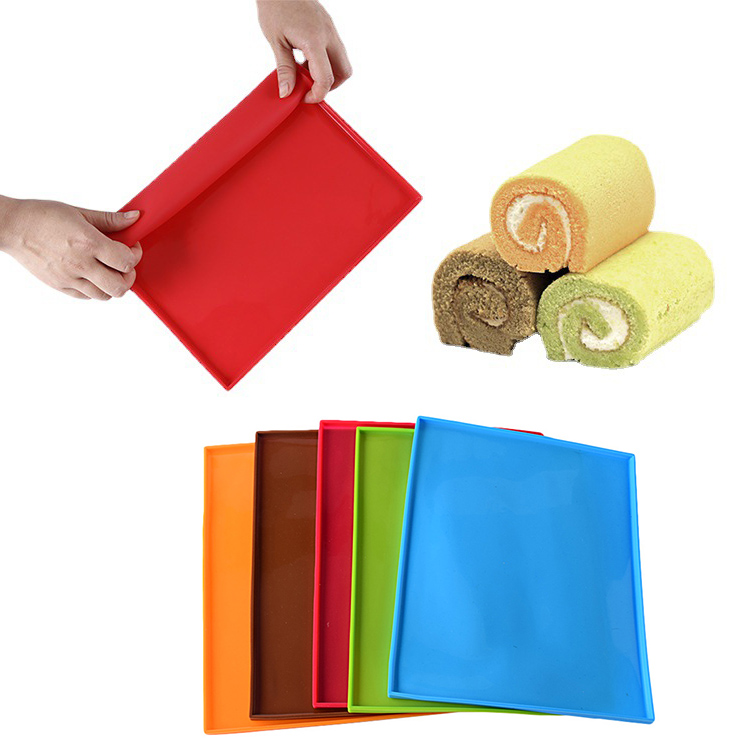
If you enjoy baking at home, you know how convenient a good silicone baking mat can be. From cookies to roasted vegetables to dough kneading, it offers a reusable, eco-friendly alternative to parchment paper.
A common question many bakers ask is: Can silicone baking mats go in the dishwasher?
The answer is yes—but there are a few things you should know to keep your mat clean, safe, and long-lasting. Let’s take a look.
A common question many bakers ask is: Can silicone baking mats go in the dishwasher?
The answer is yes—but there are a few things you should know to keep your mat clean, safe, and long-lasting. Let’s take a look.
can silicone baking mats go in the dishwasher

If you love cooking, you probably appreciate the comfort and convenience that silicone utensils bring to your kitchen. From flexible spatulas to heat-resistant spoons, they make stirring, flipping, and mixing much easier. But when it’s time to clean up, one question often comes up: Are silicone utensils dishwasher safe?
The short answer — yes! But let’s take a closer look at why silicone utensils are not only safe for dishwashers but also one of the smartest choices for a modern kitchen.
The short answer — yes! But let’s take a closer look at why silicone utensils are not only safe for dishwashers but also one of the smartest choices for a modern kitchen.
are silicone utensils dishwasher safe
SEND MESSAGE