
How to disinfect toothbrush holder
2025-04-22
How to Disinfect Toothbrush Holder: A Comprehensive Guide
Your toothbrush holder might seem like a harmless bathroom accessory, but it can quickly become a breeding ground for bacteria, mold, and other harmful microorganisms. Regularly disinfecting your toothbrush holder is essential to maintain good oral hygiene and prevent the transfer of germs to your toothbrush. In this blog post, we'll explore effective methods for disinfecting different types of toothbrush holders, with a special focus on how to disinfect a silicone toothbrush holder.

Why Disinfect Your Toothbrush Holder?
Toothbrush holders are exposed to moisture, saliva, and toothpaste residue on a daily basis. These conditions create an ideal environment for bacteria and mold to thrive. When you place your toothbrush back in the holder, it can pick up these contaminants, which may then be transferred to your mouth during brushing. Regular disinfection helps eliminate these harmful elements, ensuring that your toothbrush remains clean and safe to use.
General Steps to Disinfect Toothbrush Holders
Step 1: Empty and Rinse
First, remove all toothbrushes from the holder. Empty any water that has accumulated at the bottom. Then, rinse the holder thoroughly under running water to remove loose debris, toothpaste residue, and surface dirt.
Step 2: Choose a Disinfectant
There are several options for disinfecting toothbrush holders. You can use a mild dish soap, a solution of water and white vinegar (equal parts), or a commercial disinfectant. If using a commercial product, make sure to follow the instructions on the label carefully.
Step 3: Soak and Scrub
Fill a basin or sink with your chosen disinfectant solution. Submerge the toothbrush holder in the solution and let it soak for 15 - 20 minutes. This allows the disinfectant to penetrate and kill any bacteria or mold. After soaking, use a small brush or sponge to scrub the inside and outside of the holder, paying close attention to crevices and hard - to - reach areas.
Step 4: Rinse and Dry
Rinse the toothbrush holder thoroughly under clean running water to remove any remaining disinfectant. Then, place it in a well - ventilated area to air dry completely before putting the toothbrushes back in.

How to Disinfect Silicone Toothbrush Holders
Silicone toothbrush holders have gained popularity due to their flexibility, durability, and easy - to - clean nature. However, they still require regular disinfection to keep them hygienic.
Special Considerations for Silicone
Silicone is a non - porous material, which means it doesn't absorb water or harbor bacteria as easily as some other materials. But it can still collect dirt and grime on its surface. When disinfecting a silicone toothbrush holder, avoid using abrasive cleaners or scrubbers that could scratch the surface, as scratches can create areas where bacteria can hide.

Disinfection Process
-
Pre - clean: Similar to other toothbrush holders, start by rinsing the silicone holder under running water to remove any visible debris.
-
Soak in a Mild Solution: Prepare a solution of warm water and a small amount of mild dish soap. Submerge the silicone holder in this solution and let it soak for about 10 - 15 minutes. The mild dish soap will help break down any grease or residue on the surface.
-
Gentle Scrub: Use a soft - bristle toothbrush or a gentle sponge to scrub the silicone holder. Pay attention to the bottom, sides, and any holes or compartments. Since silicone is flexible, you can gently squeeze and manipulate it to ensure all areas are cleaned.
-
Vinegar Rinse (Optional): For an extra layer of disinfection, you can rinse the silicone holder with a solution of equal parts water and white vinegar. Vinegar has natural antibacterial properties and can help kill any remaining germs. Let it sit in the vinegar solution for a few minutes, then rinse thoroughly with clean water.
-
Dry Completely: Shake off any excess water and place the silicone toothbrush holder in a well - ventilated area to air dry. Avoid using a towel to dry it, as the towel could transfer new bacteria to the holder.

Regularly disinfecting your toothbrush holder, especially if it's made of silicone, is a simple yet effective way to maintain a clean and healthy oral care routine. By following these steps, you can ensure that your toothbrush holder remains free from harmful bacteria and mold, protecting your toothbrush and your oral health.
How to clean toothbrush holder
How long does teething last
Related Article

When your baby starts to switch to solid food, choosing the right feeding tools is an important part of keeping meal times safe, healthy and stress-free. Among all the essential items for baby feeding, silicone baby bowls have quickly become the favorite of modern parents around the world.But why is it so important to choose the right silicone baby bowl? So how should parents screen?Let's get started.
Why choosing the right silicone baby bowl is so important

Choosing the right cup for your baby is frustrating for many new parents. From safety to durability to ease of cleaning, every detail is related to the product your baby uses every day. In recent years, silicone baby cups have become increasingly popular among parents around the world. But are they really better than traditional glasses? How do you choose the right one for your child?This guide will tell you everything you need to know.
How to Choose a Suitable Silicone Cup for Your Baby
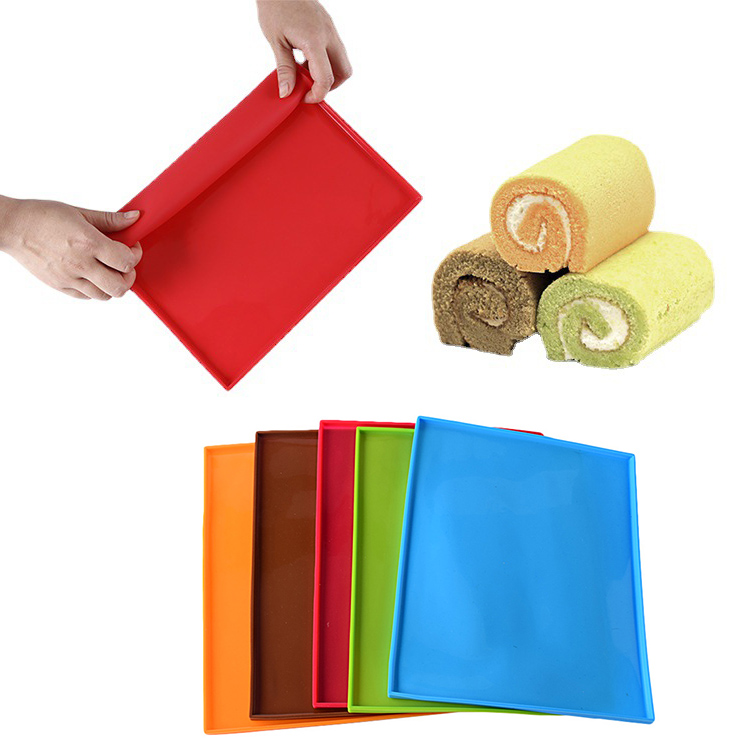
If you enjoy baking at home, you know how convenient a good silicone baking mat can be. From cookies to roasted vegetables to dough kneading, it offers a reusable, eco-friendly alternative to parchment paper.
A common question many bakers ask is: Can silicone baking mats go in the dishwasher?
The answer is yes—but there are a few things you should know to keep your mat clean, safe, and long-lasting. Let’s take a look.
A common question many bakers ask is: Can silicone baking mats go in the dishwasher?
The answer is yes—but there are a few things you should know to keep your mat clean, safe, and long-lasting. Let’s take a look.
can silicone baking mats go in the dishwasher

If you love cooking, you probably appreciate the comfort and convenience that silicone utensils bring to your kitchen. From flexible spatulas to heat-resistant spoons, they make stirring, flipping, and mixing much easier. But when it’s time to clean up, one question often comes up: Are silicone utensils dishwasher safe?
The short answer — yes! But let’s take a closer look at why silicone utensils are not only safe for dishwashers but also one of the smartest choices for a modern kitchen.
The short answer — yes! But let’s take a closer look at why silicone utensils are not only safe for dishwashers but also one of the smartest choices for a modern kitchen.
are silicone utensils dishwasher safe
SEND MESSAGE