
How to give baby a bath
2025-04-23
How to Give Baby a Bath: A Step-by-Step Guide
Bathing your baby can be a wonderful bonding experience, but it can also feel intimidating, especially for first-time parents. Fear not! With the right preparation and a gentle touch, you can make bath time a safe, enjoyable routine for both you and your little one. Here’s a comprehensive guide to help you through the process.

Preparation is Key
Before you start, gather everything you need to ensure a smooth bath time. First, set the room temperature to a warm, comfortable level, around 75-80°F (24-27°C). Then, fill a baby bathtub or the kitchen sink with about 2-3 inches of warm water. Test the water temperature with your elbow or a bath thermometer; it should feel lukewarm, around 98-100°F (37-38°C). Too hot or too cold water can be uncomfortable or even dangerous for your baby.
Next, gather all the necessary supplies within arm’s reach. You’ll need a mild baby soap or shampoo, a soft washcloth or sponge, a clean towel, a clean diaper, and fresh clothes. Having everything ready beforehand will prevent you from leaving your baby unattended in the water.

Step-by-Step Bathing Process
1. Undress Your Baby
Lay your baby on a soft, flat surface, like a changing table or a towel-covered bed. Remove their clothes and diaper, keeping them warm with a blanket until it’s time to get in the water. Make sure to keep one hand on your baby at all times to prevent falls.
2. Start with the Face
Gently lift your baby into the water, supporting their head and neck with one hand. Use a clean, damp washcloth to wipe your baby’s face. Start from the inside corner of each eye and wipe outward to remove any crust or debris. Then, gently clean your baby’s ears, nose, and mouth, being careful not to push anything into the ear canals or nostrils.
3. Wash the Body
Apply a small amount of mild baby soap or shampoo to the washcloth or sponge. Start by washing your baby’s neck, as milk and saliva can often collect there and cause irritation. Then, wash the arms, legs, tummy, back, and bottom, paying extra attention to any creases and folds where dirt and moisture can accumulate. Rinse the soap off thoroughly with clean water to avoid skin irritation.
4. Wash the Hair
If your baby has hair, it’s time to wash it. Use a cup to gently pour warm water over your baby’s head to wet the hair. Apply a small amount of baby shampoo, and gently massage the scalp with your fingertips. Be careful not to get shampoo in your baby’s eyes, nose, or mouth. Rinse the hair thoroughly with clean water, making sure all the shampoo is removed.
5. Get Your Baby Out of the Tub
Once you’ve finished bathing, carefully lift your baby out of the tub, supporting their head and neck. Wrap them in a clean, warm towel and pat them dry gently, paying special attention to drying the creases and folds of the skin. Then, put on a clean diaper and dress your baby in fresh, comfortable clothes.

Safety First
When giving your baby a bath, safety should always be your top priority. Never leave your baby unattended in the water, not even for a second. Babies can drown in just a few inches of water. Also, make sure to keep all electrical appliances, such as hair dryers or heaters, away from the bathtub to prevent electrocution.
In addition, be gentle when handling your baby. Their skin is delicate and easily irritated, so avoid using harsh soaps, scrubbing too hard, or using rough washcloths. If your baby seems uncomfortable or fussy during the bath, try to soothe them with a calm voice and gentle touches.
Bathing your baby doesn’t have to be stressful. With a little practice and these helpful tips, you’ll soon become a pro at giving your baby a safe, enjoyable bath. Remember, bath time is not just about getting clean—it’s also a great opportunity to bond with your little one and create precious memories.
What to feed 7 month old baby
How often should you bathe a baby
Related Article

When your baby starts to switch to solid food, choosing the right feeding tools is an important part of keeping meal times safe, healthy and stress-free. Among all the essential items for baby feeding, silicone baby bowls have quickly become the favorite of modern parents around the world.But why is it so important to choose the right silicone baby bowl? So how should parents screen?Let's get started.
Why choosing the right silicone baby bowl is so important

Choosing the right cup for your baby is frustrating for many new parents. From safety to durability to ease of cleaning, every detail is related to the product your baby uses every day. In recent years, silicone baby cups have become increasingly popular among parents around the world. But are they really better than traditional glasses? How do you choose the right one for your child?This guide will tell you everything you need to know.
How to Choose a Suitable Silicone Cup for Your Baby
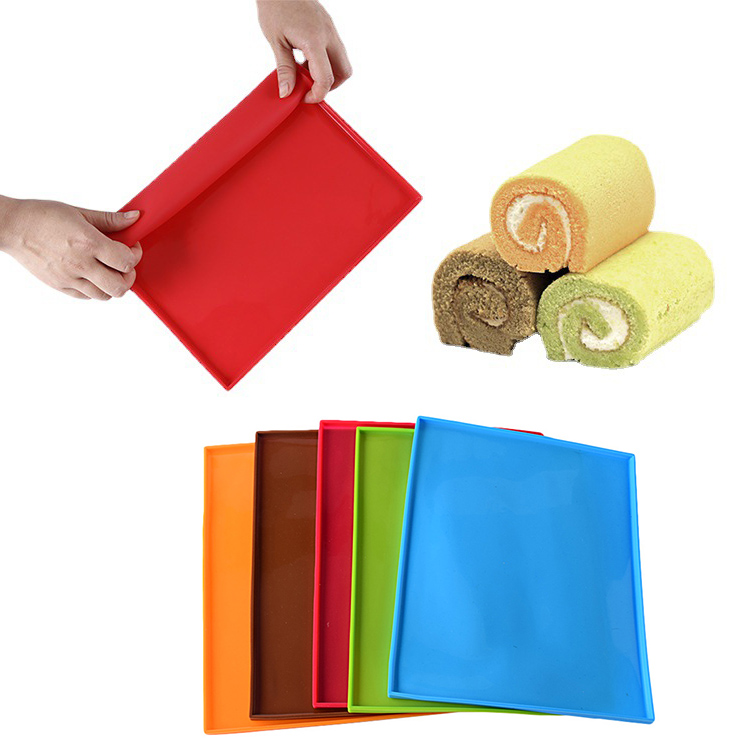
If you enjoy baking at home, you know how convenient a good silicone baking mat can be. From cookies to roasted vegetables to dough kneading, it offers a reusable, eco-friendly alternative to parchment paper.
A common question many bakers ask is: Can silicone baking mats go in the dishwasher?
The answer is yes—but there are a few things you should know to keep your mat clean, safe, and long-lasting. Let’s take a look.
A common question many bakers ask is: Can silicone baking mats go in the dishwasher?
The answer is yes—but there are a few things you should know to keep your mat clean, safe, and long-lasting. Let’s take a look.
can silicone baking mats go in the dishwasher

If you love cooking, you probably appreciate the comfort and convenience that silicone utensils bring to your kitchen. From flexible spatulas to heat-resistant spoons, they make stirring, flipping, and mixing much easier. But when it’s time to clean up, one question often comes up: Are silicone utensils dishwasher safe?
The short answer — yes! But let’s take a closer look at why silicone utensils are not only safe for dishwashers but also one of the smartest choices for a modern kitchen.
The short answer — yes! But let’s take a closer look at why silicone utensils are not only safe for dishwashers but also one of the smartest choices for a modern kitchen.
are silicone utensils dishwasher safe
SEND MESSAGE