
How to keep bottom of toothbrush holder clean
2025-05-08
How to Keep the Bottom of Your Toothbrush Holder Clean
Have you ever noticed that slimy residue and grime lurking at the bottom of your toothbrush holder? It's a common problem that many of us face, and it's not just unappealing to look at—it can also harbor bacteria that may pose risks to your oral health. In this blog post, we'll explore why the bottom of toothbrush holders gets dirty and, more importantly, share effective strategies to keep it clean and hygienic.

Why Does the Bottom of the Toothbrush Holder Get Dirty?
The primary reason for the buildup at the bottom of your toothbrush holder is moisture. After each use, water drips from your toothbrush into the holder. This damp environment is an ideal breeding ground for bacteria, mold, and mildew. Additionally, toothpaste residue, bits of food particles, and even dead skin cells can accumulate over time, creating a sticky and unhygienic mess.
Regular Cleaning Routine
The key to maintaining a clean toothbrush holder bottom is regular cleaning. Make it a habit to clean the holder at least once a week. Start by emptying any standing water from the holder. Then, use a mild dish soap and warm water to scrub the inside and bottom with a small brush, like an old toothbrush or a bottle brush. Pay close attention to the corners and crevices where dirt tends to accumulate. Rinse the holder thoroughly with clean water and let it air dry completely before placing your toothbrushes back in.

Deep Cleaning Methods
For a more thorough clean, especially when dealing with stubborn stains or heavy buildup, you can try some deep - cleaning methods. One effective approach is to soak the toothbrush holder in a solution of equal parts water and white vinegar. Let it soak for about 30 minutes to an hour. The acidic properties of vinegar help break down mineral deposits, dissolve grime, and kill bacteria. After soaking, scrub the holder again with a brush and rinse it well.
Another option is to use baking soda. Make a paste by mixing baking soda with a little water. Apply the paste to the bottom of the toothbrush holder and scrub gently with a brush. Baking soda's mild abrasive nature helps remove tough stains without scratching the surface of the holder. Rinse thoroughly afterward.
Preventive Measures
Prevention is just as important as cleaning. To reduce the amount of dirt and moisture that accumulates at the bottom of your toothbrush holder, shake off excess water from your toothbrush before placing it back in the holder. You can also invest in a toothbrush holder with drainage holes or a stand - up design that allows the toothbrushes to dry more effectively. Additionally, avoid overcrowding the holder with too many toothbrushes, as this can prevent proper air circulation and contribute to a damper environment.

Other Tips
If your toothbrush holder is made of plastic, you can also run it through the top rack of your dishwasher occasionally for a deep clean. However, be sure to check the manufacturer's instructions first to ensure that the holder is dishwasher - safe. Also, consider replacing your toothbrush holder every few months, especially if it shows signs of wear and tear or if you're having a hard time keeping it clean.
Keeping the bottom of your toothbrush holder clean is an essential part of maintaining good oral hygiene. By following these regular cleaning routines, deep - cleaning methods, and preventive measures, you can ensure that your toothbrush holder remains a clean and healthy place to store your toothbrushes. So, start implementing these tips today and say goodbye to that pesky grime at the bottom of your toothbrush holder!
How to prevent mold in toothbrush holder
How to install toothbrush holder
Related Article

When your baby starts to switch to solid food, choosing the right feeding tools is an important part of keeping meal times safe, healthy and stress-free. Among all the essential items for baby feeding, silicone baby bowls have quickly become the favorite of modern parents around the world.But why is it so important to choose the right silicone baby bowl? So how should parents screen?Let's get started.
Why choosing the right silicone baby bowl is so important

Choosing the right cup for your baby is frustrating for many new parents. From safety to durability to ease of cleaning, every detail is related to the product your baby uses every day. In recent years, silicone baby cups have become increasingly popular among parents around the world. But are they really better than traditional glasses? How do you choose the right one for your child?This guide will tell you everything you need to know.
How to Choose a Suitable Silicone Cup for Your Baby
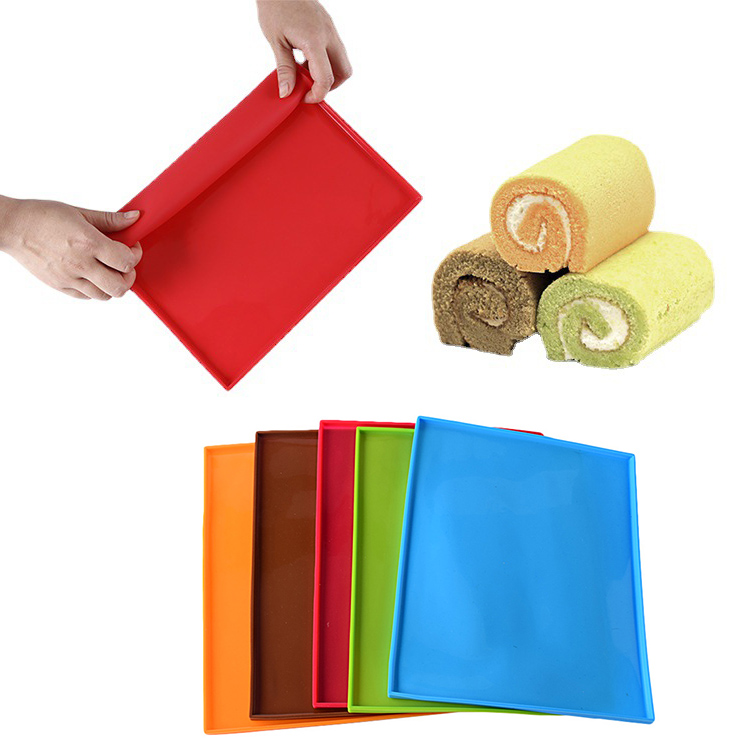
If you enjoy baking at home, you know how convenient a good silicone baking mat can be. From cookies to roasted vegetables to dough kneading, it offers a reusable, eco-friendly alternative to parchment paper.
A common question many bakers ask is: Can silicone baking mats go in the dishwasher?
The answer is yes—but there are a few things you should know to keep your mat clean, safe, and long-lasting. Let’s take a look.
A common question many bakers ask is: Can silicone baking mats go in the dishwasher?
The answer is yes—but there are a few things you should know to keep your mat clean, safe, and long-lasting. Let’s take a look.
can silicone baking mats go in the dishwasher

If you love cooking, you probably appreciate the comfort and convenience that silicone utensils bring to your kitchen. From flexible spatulas to heat-resistant spoons, they make stirring, flipping, and mixing much easier. But when it’s time to clean up, one question often comes up: Are silicone utensils dishwasher safe?
The short answer — yes! But let’s take a closer look at why silicone utensils are not only safe for dishwashers but also one of the smartest choices for a modern kitchen.
The short answer — yes! But let’s take a closer look at why silicone utensils are not only safe for dishwashers but also one of the smartest choices for a modern kitchen.
are silicone utensils dishwasher safe
SEND MESSAGE