
how to make rice cereal for baby
2025-08-08
How to make rice cereal for baby? A Gentle Start to Solid Foods
When your baby is ready to start solid foods, rice cereal is often the first choice. It’s easy to digest, mild in taste, and smooth in texture—perfect for little tummies. But how can you make it safely at home? In this blog, we’ll show you a simple recipe for homemade rice cereal and share tips for feeding your baby safely and easily.
How to Make Homemade Rice Cereal for Baby
Ingredients:
-
1/4 cup white or brown rice (organic, if possible)
-
1 cup water
-
Breast milk or formula (optional, for thinning)
Instructions:
-
Rinse the Rice: Wash the rice thoroughly under cold water to remove excess starch.
-
Grind the Rice: Use a blender or food processor to grind the uncooked rice into a fine powder (rice flour consistency).
-
Cook the Cereal: In a small saucepan, combine the rice powder with water. Bring to a gentle boil, then simmer on low heat while stirring continuously for 5–10 minutes, or until it thickens to a smooth consistency.
-
Cool and Serve: Allow to cool slightly before feeding. Add breastmilk or formula to reach the desired consistency for your baby's age and feeding ability.
TIP: Soaking the rice may make it a little easier to digest, and it can cut down on the cooking time a bit. You can skip it if you don’t have the time, though!
Make Mealtime Easier with the Right Tools
Feeding a baby can be messy — especially when you’re starting solids. That’s why having a high-quality infant feeding set is a game changer.

Our silicone feeding set is specially designed for growing babies and busy parents. Here’s why it’s a must-have:
-
Made from 100% food-grade silicone, free from BPA, phthalates, and other harmful chemicals.
-
Waterproof and stain-resistant, making cleanup fast and stress-free.
-
Withstands extreme temperatures (from -40°C to 230°C), meaning it can be safely sterilized in boiling water or cleaned in the dishwasher.
-
Gentle and durable: Even if your baby chews on the utensils, the soft silicone won’t crack or pose a safety risk.
-
Bacteria-resistant and quick-drying, helping to maintain hygiene even after multiple uses.
-
Shockproof and portable — perfect for feeding at home, during outings, or while traveling.
-
Multifunctional: Whether your baby is having rice cereal at home or snacks during a family dinner out, the feeding set prevents stains and messes, reducing cleanup time.

Final Tips for Feeding Baby
Starting solids is a journey — every baby is different, and that’s okay. Here are a few final tips to help make the process smoother:
-
Start slow and be patient: It may take several tries before your baby accepts new textures or flavors. That’s completely normal.
-
Watch for signs of readiness: Your baby should be able to sit upright with support and show interest in food before starting solids.
-
Introduce one food at a time: This helps you monitor any allergic reactions or sensitivities.
-
Keep portions small: A few spoonfuls are enough at the beginning. It’s about learning, not volume.
-
Stay close and supervise: Always keep an eye on your baby while eating to prevent choking.
-
Use baby-friendly tools: Feeding with soft, baby-safe silicone feeding set enhances comfort and reduces risk.

Ready to make feeding easier?
Check out our silicone feeding sets — designed with parents and babies in mind.
how do you make green tea
how to make cream mushroom soup
Related Article

When your baby starts to switch to solid food, choosing the right feeding tools is an important part of keeping meal times safe, healthy and stress-free. Among all the essential items for baby feeding, silicone baby bowls have quickly become the favorite of modern parents around the world.But why is it so important to choose the right silicone baby bowl? So how should parents screen?Let's get started.
Why choosing the right silicone baby bowl is so important

Choosing the right cup for your baby is frustrating for many new parents. From safety to durability to ease of cleaning, every detail is related to the product your baby uses every day. In recent years, silicone baby cups have become increasingly popular among parents around the world. But are they really better than traditional glasses? How do you choose the right one for your child?This guide will tell you everything you need to know.
How to Choose a Suitable Silicone Cup for Your Baby
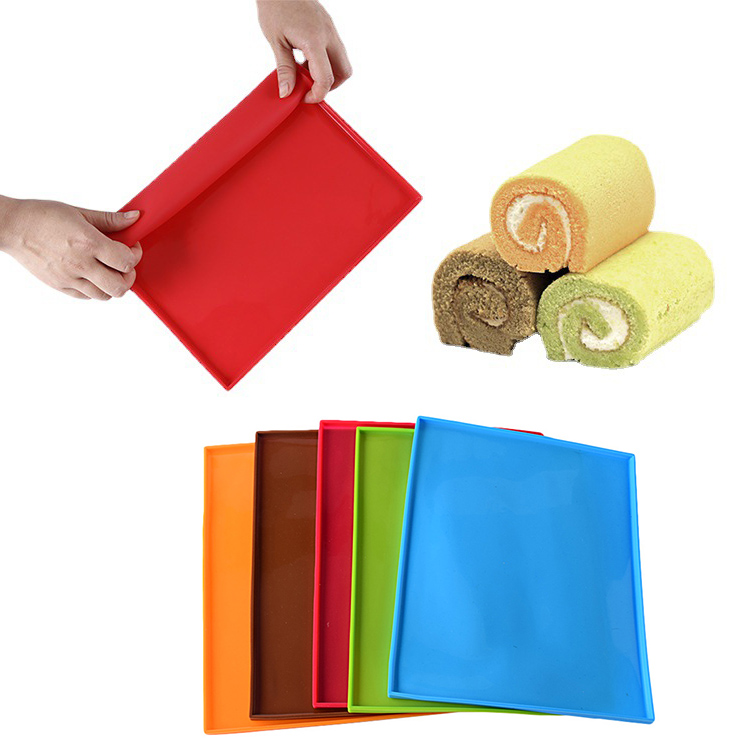
If you enjoy baking at home, you know how convenient a good silicone baking mat can be. From cookies to roasted vegetables to dough kneading, it offers a reusable, eco-friendly alternative to parchment paper.
A common question many bakers ask is: Can silicone baking mats go in the dishwasher?
The answer is yes—but there are a few things you should know to keep your mat clean, safe, and long-lasting. Let’s take a look.
A common question many bakers ask is: Can silicone baking mats go in the dishwasher?
The answer is yes—but there are a few things you should know to keep your mat clean, safe, and long-lasting. Let’s take a look.
can silicone baking mats go in the dishwasher

If you love cooking, you probably appreciate the comfort and convenience that silicone utensils bring to your kitchen. From flexible spatulas to heat-resistant spoons, they make stirring, flipping, and mixing much easier. But when it’s time to clean up, one question often comes up: Are silicone utensils dishwasher safe?
The short answer — yes! But let’s take a closer look at why silicone utensils are not only safe for dishwashers but also one of the smartest choices for a modern kitchen.
The short answer — yes! But let’s take a closer look at why silicone utensils are not only safe for dishwashers but also one of the smartest choices for a modern kitchen.
are silicone utensils dishwasher safe
SEND MESSAGE