
How to prevent mold in toothbrush holder
2025-05-08
How to Prevent Mold in Toothbrush Holder: A Comprehensive Guide
A toothbrush holder is a daily essential in our bathrooms, but it can quickly become a breeding ground for mold if not properly maintained. Mold not only looks unappealing but can also pose health risks. So, how can we prevent mold from growing in our toothbrush holders? Let’s explore some effective strategies.

Regular Cleaning
Regular cleaning is the first and most crucial step in preventing mold. Clean your toothbrush holder at least once a week. Use warm, soapy water to scrub the inside and outside of the holder thoroughly. For stubborn stains or mold, a mixture of baking soda and water can work wonders. Baking soda has mild abrasive properties that can help remove dirt and mold without scratching the surface of the holder. After cleaning, rinse it well and let it dry completely before placing the toothbrushes back in.
Proper Placement
Where you place your toothbrush holder matters. Avoid putting it in a dark, damp corner of the bathroom where air circulation is poor. Instead, choose a well - ventilated area, preferably near a window or an exhaust fan. Good air circulation helps to dry the toothbrush holder faster, reducing the chances of moisture buildup, which is a major factor in mold growth.

Drying the Toothbrushes
Before putting the toothbrushes back into the holder, make sure they are as dry as possible. Shake off excess water after brushing, and stand the toothbrushes upright in the holder with the bristles facing up. This allows the water to drain out easily, preventing it from pooling at the bottom of the holder. You can also consider using a toothbrush holder with drainage holes to facilitate better water removal.
Material Matters: The Advantage of Silicone
When choosing a toothbrush holder, the material plays a significant role in mold prevention. Silicone is an excellent option as it is generally very resistant to mold growth. Unlike some porous materials such as ceramic or plastic, silicone has a non - porous surface. This means that it doesn't absorb water, making it difficult for mold spores to take root and grow. Silicone toothbrush holders are also flexible, easy to clean, and often come in various colors and designs. They can be easily rinsed, disinfected with mild disinfectants, and are less likely to retain odors compared to other materials.

Consider Additional Features
Some toothbrush holders come with built - in features to help prevent mold. For example, there are holders with UV - C sterilization functions that can kill bacteria and mold spores. Others have removable trays at the bottom, which can be easily taken out, cleaned, and dried separately, reducing the chances of mold formation in hard - to - reach areas.
By following these tips, you can keep your toothbrush holder mold - free, ensuring that your toothbrushes remain clean and safe for use. Remember, a little effort in maintaining your toothbrush holder can go a long way in promoting good oral hygiene and overall health.
How to remove toothbrush holder from wall
How to keep bottom of toothbrush holder clean
Related Article

When your baby starts to switch to solid food, choosing the right feeding tools is an important part of keeping meal times safe, healthy and stress-free. Among all the essential items for baby feeding, silicone baby bowls have quickly become the favorite of modern parents around the world.But why is it so important to choose the right silicone baby bowl? So how should parents screen?Let's get started.
Why choosing the right silicone baby bowl is so important

Choosing the right cup for your baby is frustrating for many new parents. From safety to durability to ease of cleaning, every detail is related to the product your baby uses every day. In recent years, silicone baby cups have become increasingly popular among parents around the world. But are they really better than traditional glasses? How do you choose the right one for your child?This guide will tell you everything you need to know.
How to Choose a Suitable Silicone Cup for Your Baby
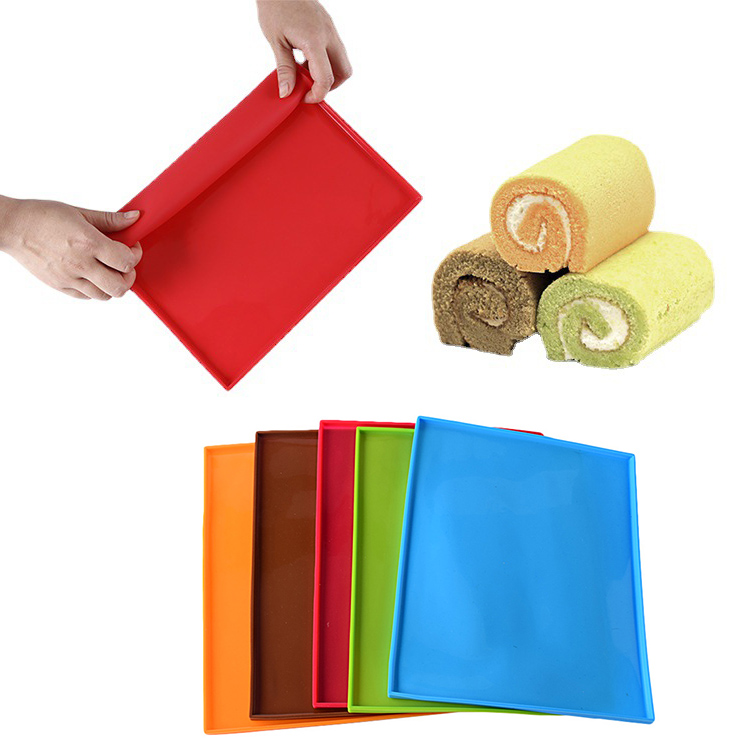
If you enjoy baking at home, you know how convenient a good silicone baking mat can be. From cookies to roasted vegetables to dough kneading, it offers a reusable, eco-friendly alternative to parchment paper.
A common question many bakers ask is: Can silicone baking mats go in the dishwasher?
The answer is yes—but there are a few things you should know to keep your mat clean, safe, and long-lasting. Let’s take a look.
A common question many bakers ask is: Can silicone baking mats go in the dishwasher?
The answer is yes—but there are a few things you should know to keep your mat clean, safe, and long-lasting. Let’s take a look.
can silicone baking mats go in the dishwasher

If you love cooking, you probably appreciate the comfort and convenience that silicone utensils bring to your kitchen. From flexible spatulas to heat-resistant spoons, they make stirring, flipping, and mixing much easier. But when it’s time to clean up, one question often comes up: Are silicone utensils dishwasher safe?
The short answer — yes! But let’s take a closer look at why silicone utensils are not only safe for dishwashers but also one of the smartest choices for a modern kitchen.
The short answer — yes! But let’s take a closer look at why silicone utensils are not only safe for dishwashers but also one of the smartest choices for a modern kitchen.
are silicone utensils dishwasher safe
SEND MESSAGE