
How to stop toothbrush holder going mouldy
2025-05-08
How to Stop Toothbrush Holder Going Mouldy
A toothbrush holder may seem like a small, unassuming bathroom accessory, but it can quickly become a breeding ground for mould if not properly maintained. Mould not only looks unappealing but can also pose potential health risks, especially when it comes into contact with your toothbrush, an item that goes directly into your mouth. Fortunately, there are several simple and effective strategies you can adopt to keep your toothbrush holder mould-free.

Regular Cleaning Is Key
The first and most crucial step in preventing mould growth is regular cleaning. At least once a week, remove all the toothbrushes from the holder and empty any standing water. Wash the holder thoroughly with warm, soapy water, using a sponge or a soft brush to scrub away any residue or grime. Pay close attention to crevices and hard - to - reach areas where moisture can accumulate. For a more thorough clean, you can soak the holder in a mixture of equal parts water and white vinegar for about 15 - 20 minutes. Vinegar's acidic properties make it an excellent natural disinfectant, effectively killing mould spores and preventing them from multiplying. After soaking, rinse the holder well with clean water and let it air dry completely before putting the toothbrushes back.
Keep It Dry
Mould thrives in damp environments, so keeping your toothbrush holder dry is essential. After each use, shake excess water off your toothbrushes before placing them back in the holder. If your holder has a base that collects water, empty it promptly. You can also consider using a holder with drainage holes or one that elevates the toothbrushes above the base to allow water to drip away more easily. Another option is to use a wall - mounted holder, which helps keep the holder off the wet bathroom counter and promotes better air circulation, reducing the chances of moisture buildup.

Choose the Right Material
The material of your toothbrush holder can significantly impact its susceptibility to mould. Avoid holders made of porous materials like plastic with a rough texture, as these can trap moisture and provide a perfect environment for mould to grow. Instead, opt for non - porous materials such as stainless steel, silicone, glass, or ceramic. These materials are easier to clean, do not absorb water, and are less likely to harbour mould. Additionally, metal and glass holders often have a more hygienic surface that resists the growth of bacteria and fungi.
Optimize Bathroom Ventilation
Proper ventilation in the bathroom is vital for preventing mould growth not only in the toothbrush holder but throughout the space. Make sure to use the bathroom exhaust fan during and after showering or bathing to remove excess moisture from the air. If your bathroom has windows, open them regularly to allow fresh air to circulate. Good ventilation helps to lower the humidity levels in the room, creating an environment that is less conducive to mould development.
Replace Old Holders
Over time, even with proper care, toothbrush holders can become worn or damaged, making them more prone to mould. If you notice cracks, chips, or significant discolouration in your holder, it's time to replace it. A new holder will not only look better but also be more hygienic, giving you a fresh start in your battle against mould.

By following these tips, you can ensure that your toothbrush holder remains clean, mould - free, and a safe storage solution for your toothbrushes. Taking a little extra time to care for your toothbrush holder goes a long way in maintaining good oral hygiene and a healthy bathroom environment.
How to stop toothbrush holder smelling
How to remove toothbrush holder from wall
Related Article

When your baby starts to switch to solid food, choosing the right feeding tools is an important part of keeping meal times safe, healthy and stress-free. Among all the essential items for baby feeding, silicone baby bowls have quickly become the favorite of modern parents around the world.But why is it so important to choose the right silicone baby bowl? So how should parents screen?Let's get started.
Why choosing the right silicone baby bowl is so important

Choosing the right cup for your baby is frustrating for many new parents. From safety to durability to ease of cleaning, every detail is related to the product your baby uses every day. In recent years, silicone baby cups have become increasingly popular among parents around the world. But are they really better than traditional glasses? How do you choose the right one for your child?This guide will tell you everything you need to know.
How to Choose a Suitable Silicone Cup for Your Baby
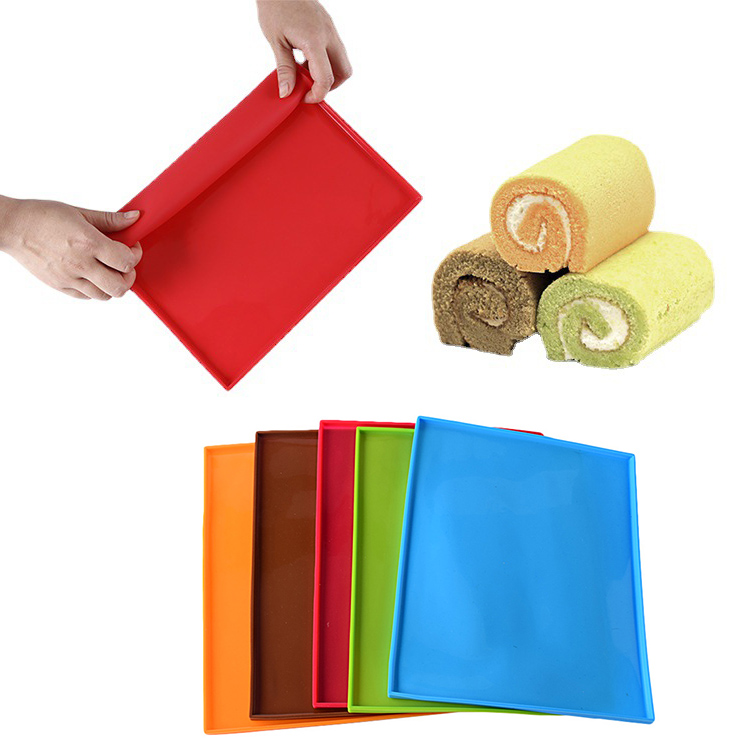
If you enjoy baking at home, you know how convenient a good silicone baking mat can be. From cookies to roasted vegetables to dough kneading, it offers a reusable, eco-friendly alternative to parchment paper.
A common question many bakers ask is: Can silicone baking mats go in the dishwasher?
The answer is yes—but there are a few things you should know to keep your mat clean, safe, and long-lasting. Let’s take a look.
A common question many bakers ask is: Can silicone baking mats go in the dishwasher?
The answer is yes—but there are a few things you should know to keep your mat clean, safe, and long-lasting. Let’s take a look.
can silicone baking mats go in the dishwasher

If you love cooking, you probably appreciate the comfort and convenience that silicone utensils bring to your kitchen. From flexible spatulas to heat-resistant spoons, they make stirring, flipping, and mixing much easier. But when it’s time to clean up, one question often comes up: Are silicone utensils dishwasher safe?
The short answer — yes! But let’s take a closer look at why silicone utensils are not only safe for dishwashers but also one of the smartest choices for a modern kitchen.
The short answer — yes! But let’s take a closer look at why silicone utensils are not only safe for dishwashers but also one of the smartest choices for a modern kitchen.
are silicone utensils dishwasher safe
SEND MESSAGE