
how to use shampoo brush
2025-07-24
How to Use a Shampoo Brush: Elevate Your Hair Care Routine
Rushed shampooing often leaves greasy roots or tangles. Time to try a silicone shampoo brush—this simple tool is transforming hair care globally. More than a gimmick, it boosts cleansing, stimulates the scalp, and encourages healthier hair growth. In this guide,, we’ll show you how to use it, outline its benefits, and recommend a top pick to upgrade your routine.
Why Add a Silicone Shampoo Brush to Your Arsenal?
Before diving into the “how,” let’s explore the “why.” The scalp is often neglected in daily care, yet it’s the foundation of healthy hair. Traditional hand-washing can be inconsistent—fingers may miss buildup along the hairline, and long nails risk scratching the scalp, leading to irritation or infection. A brush for shampoo solves these issues with its designed bristles that gently yet effectively reach every inch.
The brush’s bristles work to lift away dirt, excess oil, and product residue that can accumulate over time, even in hard-to-reach areas like the nape of the neck. This not only leaves hair feeling cleaner but also allows shampoo to lather more evenly, maximizing its effectiveness.
Scalp stimulation is another key benefit. The gentle massaging action of the brush increases blood flow to the hair follicles. Improved circulation delivers more nutrients to the roots, which can strengthen hair and potentially reduce shedding. Many users also find the process surprisingly relaxing—think of it as a mini spa treatment during your daily shower.
For those with specific hair concerns, the benefits multiply. If you struggle with dandruff, the shampoo brush helps loosen flaky skin without harsh scrubbing, allowing anti-dandruff shampoos to penetrate deeper. Curly or textured hair types will appreciate how the brush detangles gently, reducing breakage during washing. Even those with sensitive scalps can benefit, as soft-bristled options provide a soothing cleanse without irritation.

Step-by-Step: How to Use a Silicone Shampoo Brush Properly
Using a hair shampoo brush is straightforward, but mastering the technique ensures you get the most out of it. Follow these steps for optimal results:
1. Prep Your Hair and Brush
Start with wet hair—thoroughly rinse it with warm (not hot) water to open the hair cuticles and prepare the scalp for cleansing. Hot water can strip natural oils, so stick to a temperature that feels comfortable. Next, wet the shampoo brush slightly to soften the bristles, especially if you’re using a wooden or plastic model. This step also helps the shampoo lather more easily.
2. Apply Shampoo to the Brush or Scalp
There are two methods here, and both work well. You can either apply a quarter-sized amount of your favorite shampoo directly to the brush’s bristles or massage it into your palms first to create a lather, then distribute it evenly through your hair. If you have thick or long hair, focusing the shampoo on the roots (where oil and buildup concentrate) is key—you can work the lather through the lengths later.
3. Begin Brushing in Gentle Circular Motions
Hold the scalp shampoo brush comfortably in your dominant hand, ensuring a firm but relaxed grip. Starting at the hairline near your forehead, gently press the bristles against your scalp and move the brush in small, circular motions. The pressure should be light enough to feel stimulating, not painful—imagine the sensation of a soft massage. Work your way across the top of your head, then down to the temples, behind the ears, and finally the nape of your neck. Take your time here—spending 30 seconds to a minute on each section ensures thorough coverage.
4. Avoid Over-Scrubbing
While it’s tempting to scrub vigorously to remove buildup, this can damage the scalp’s delicate skin. The bristles are designed to do the work for you, so let them glide smoothly over the surface. If you encounter tangles (common in curly or coily hair), slow down and work through them gently to prevent breakage.
5. Rinse Thoroughly
Once you’ve covered your entire scalp, rinse your hair and the brush under warm water. Make sure to remove all shampoo residue from both your hair and the brush’s bristles—leftover product can cause buildup on the brush over time. Gently squeeze excess water from the brush and lay it flat to dry; avoid leaving it in a damp shower, as moisture can lead to mold or mildew.

Pro Tips for Maximizing Results
To get the most out of your brush for shampoo, keep these tips in mind:
-
Adjust frequency based on your hair type: Those with oily scalps can use the brush daily, while dry or color-treated hair may benefit from 2–3 times a week to avoid over-stripping natural oils.
-
Pair with the right shampoo: A clarifying shampoo works wonders with a brush for removing product buildup, while a moisturizing formula is ideal for dry scalps.
-
Clean your brush regularly: Every 1–2 weeks, soak the brush in warm, soapy water for 10 minutes, then rinse and air dry. This prevents bacteria growth and keeps the bristles effective.
-
Be gentle with extensions or sensitive scalps: If you have hair extensions, use a brush with extra-soft bristles and avoid pulling on the bonds. For sensitive scalps, opt for a brush with silicone bristles, which are ultra-soft.
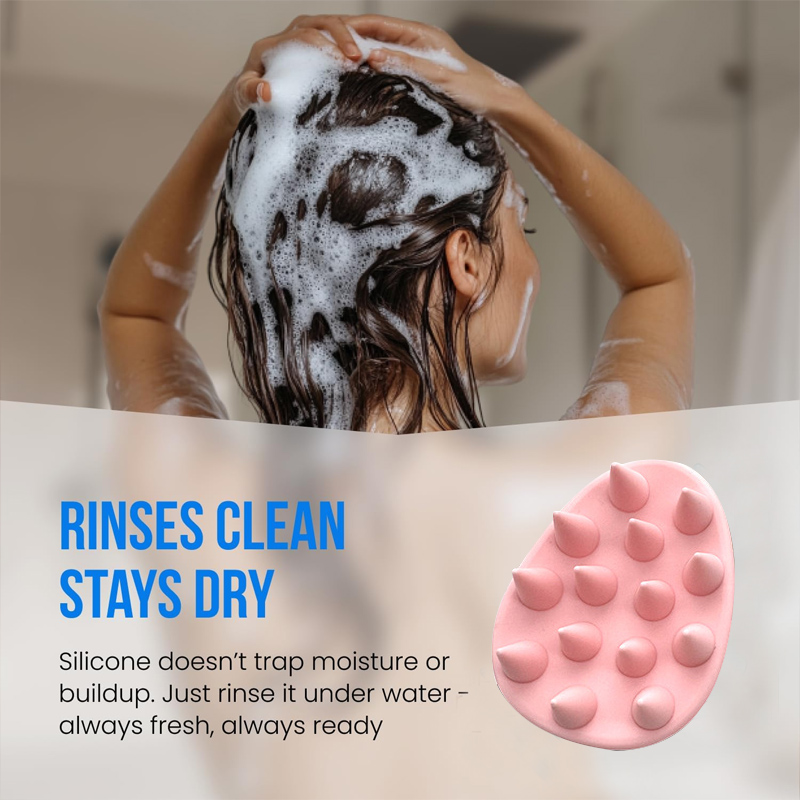
Our Top Shampoo Brush Recommendation
With so many options on the market, choosing the right shampoo brush can be overwhelming. After testing dozens of models, we’re confident in recommending scalp and shampoo brush. This ergonomically designed brush features soft, flexible silicone bristles that are gentle enough for sensitive scalps yet effective at removing buildup. The non-slip handle ensures a secure grip even in wet conditions, and its compact size makes it perfect for travel. What sets it apart is its versatility—it works equally well with all hair types, from fine and straight to thick and curly. Plus, it’s easy to clean and built to last, making it a worthwhile investment for anyone looking to upgrade their hair care routine.
Final Thoughts
Incorporating a shampoo brush into your routine is a small change that yields big results. From deeper cleansing and healthier scalps to shinier, more manageable hair, the benefits are undeniable. By following the simple steps outlined above, you’ll quickly wonder how you ever washed your hair without it. Whether you’re dealing with dandruff, oily roots, or just want to elevate your self-care game, a shampoo brush is a tool that delivers on its promises. Give it a try—your scalp (and your hair) will thank you.
does brushing hair stimulate growth
how many grams of protein in a hard boiled egg
Related Article

When your baby starts to switch to solid food, choosing the right feeding tools is an important part of keeping meal times safe, healthy and stress-free. Among all the essential items for baby feeding, silicone baby bowls have quickly become the favorite of modern parents around the world.But why is it so important to choose the right silicone baby bowl? So how should parents screen?Let's get started.
Why choosing the right silicone baby bowl is so important

Choosing the right cup for your baby is frustrating for many new parents. From safety to durability to ease of cleaning, every detail is related to the product your baby uses every day. In recent years, silicone baby cups have become increasingly popular among parents around the world. But are they really better than traditional glasses? How do you choose the right one for your child?This guide will tell you everything you need to know.
How to Choose a Suitable Silicone Cup for Your Baby
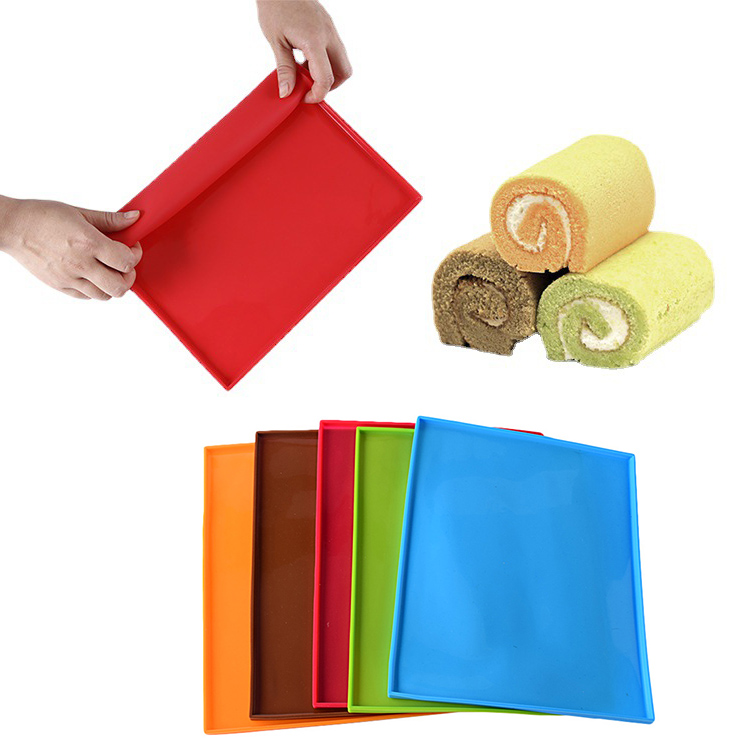
If you enjoy baking at home, you know how convenient a good silicone baking mat can be. From cookies to roasted vegetables to dough kneading, it offers a reusable, eco-friendly alternative to parchment paper.
A common question many bakers ask is: Can silicone baking mats go in the dishwasher?
The answer is yes—but there are a few things you should know to keep your mat clean, safe, and long-lasting. Let’s take a look.
A common question many bakers ask is: Can silicone baking mats go in the dishwasher?
The answer is yes—but there are a few things you should know to keep your mat clean, safe, and long-lasting. Let’s take a look.
can silicone baking mats go in the dishwasher

If you love cooking, you probably appreciate the comfort and convenience that silicone utensils bring to your kitchen. From flexible spatulas to heat-resistant spoons, they make stirring, flipping, and mixing much easier. But when it’s time to clean up, one question often comes up: Are silicone utensils dishwasher safe?
The short answer — yes! But let’s take a closer look at why silicone utensils are not only safe for dishwashers but also one of the smartest choices for a modern kitchen.
The short answer — yes! But let’s take a closer look at why silicone utensils are not only safe for dishwashers but also one of the smartest choices for a modern kitchen.
are silicone utensils dishwasher safe
SEND MESSAGE