
How to wash baby clothes
2025-05-06
How to Wash Baby Clothes: A Complete Guide
As a parent, ensuring your baby's comfort and safety is always a top priority. One important aspect of this is knowing how to properly wash baby clothes. Babies have sensitive skin that is prone to irritation, so using the right washing methods and products is crucial. In this blog post, we'll walk you through the steps to keep your baby's clothes clean, fresh, and gentle on their delicate skin.

1. Pre - washing Preparation
Before you start washing, it’s essential to sort the baby clothes. Separate whites from colors to prevent dye transfer. Also, divide clothes based on their level of dirtiness. Heavily soiled items like diapers and spit - up stained onesies should be washed separately from lightly soiled pieces.
Check the care labels on each garment. Although most baby clothes are made from soft cotton, different fabrics may require different washing temperatures and cycles. Some may be machine - washable, while others might need to be hand - washed.
2. Choosing the Right Detergent
Avoid using regular laundry detergents, as they often contain harsh chemicals, fragrances, and dyes that can irritate a baby's skin. Instead, opt for a mild, fragrance - free, and hypoallergenic baby laundry detergent. These specialized detergents are formulated to be gentle yet effective at removing dirt and stains. If your baby has particularly sensitive skin, consider using a detergent specifically designed for sensitive skin types.
3. The Washing Process
Machine Washing
When using a washing machine, select a gentle or delicate cycle. This setting uses a slower spin speed and milder agitation, which helps protect the fabric and prevent stretching or damage. Use cold or lukewarm water, as hot water can shrink some fabrics and set stains.
Load the washing machine properly. Don't overcrowd it, as this can prevent the clothes from getting clean. Leave enough space for the clothes to move freely in the water. Add the appropriate amount of detergent according to the load size and the detergent instructions.
Hand Washing
For more delicate items or clothes with special trims, hand washing is the best option. Fill a basin with lukewarm water and add a small amount of baby laundry detergent. Gently swish the water to dissolve the detergent. Submerge the clothes in the soapy water and gently squeeze and rub them to remove dirt and stains. Avoid scrubbing too hard, as this can damage the fabric. Rinse the clothes thoroughly with clean, lukewarm water until all the soap is removed.

4. Stain Removal
Baby clothes are prone to various stains, such as milk, poop, and spit - up. For fresh stains, try to treat them as soon as possible. For milk and formula stains, soak the stained area in cold water for about 30 minutes before washing. You can also use a stain remover specifically designed for baby clothes. Apply the stain remover directly to the stain, let it sit for a few minutes, and then wash as usual. For stubborn stains like poop, scrape off any solids gently and then pre - soak the item in a mixture of water and a small amount of baby detergent before washing.
5. Rinsing and Drying
Rinse the clothes thoroughly to ensure that all the detergent is removed. Any leftover detergent can cause skin irritation. After rinsing, gently squeeze out the excess water. Avoid wringing the clothes, as this can damage the fabric.
When it comes to drying, air - drying is the best option. Hang the clothes on a clothesline or drying rack in a well - ventilated area. Sunlight can also help to naturally disinfect the clothes. If you need to use a dryer, choose a low - heat setting. High heat can shrink the clothes and damage the fabric.

By following these steps, you can keep your baby's clothes clean, fresh, and safe for their sensitive skin. Remember, taking a little extra time and care in washing baby clothes can go a long way in protecting your little one's comfort and health.
What is tableware
How to fold baby clothes
Related Article

When your baby starts to switch to solid food, choosing the right feeding tools is an important part of keeping meal times safe, healthy and stress-free. Among all the essential items for baby feeding, silicone baby bowls have quickly become the favorite of modern parents around the world.But why is it so important to choose the right silicone baby bowl? So how should parents screen?Let's get started.
Why choosing the right silicone baby bowl is so important

Choosing the right cup for your baby is frustrating for many new parents. From safety to durability to ease of cleaning, every detail is related to the product your baby uses every day. In recent years, silicone baby cups have become increasingly popular among parents around the world. But are they really better than traditional glasses? How do you choose the right one for your child?This guide will tell you everything you need to know.
How to Choose a Suitable Silicone Cup for Your Baby
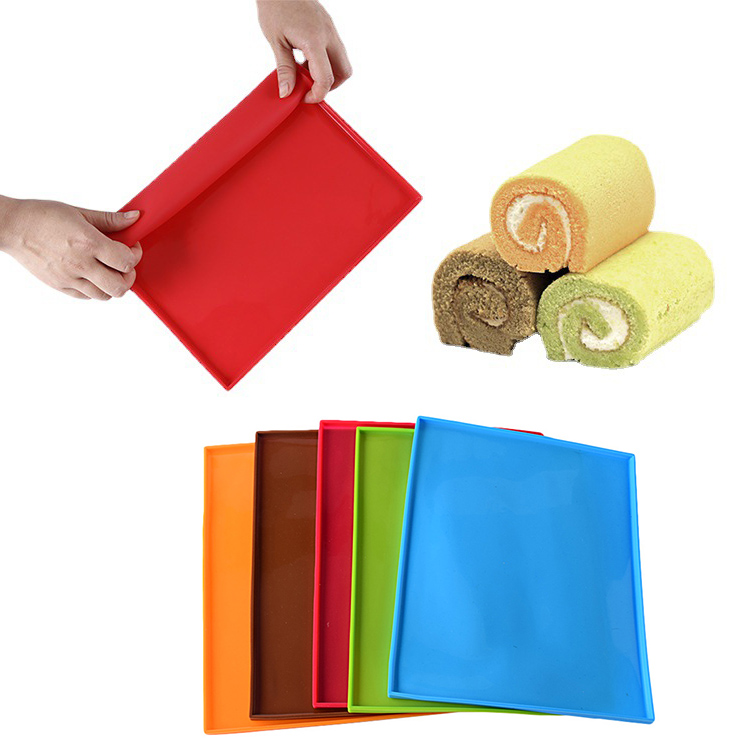
If you enjoy baking at home, you know how convenient a good silicone baking mat can be. From cookies to roasted vegetables to dough kneading, it offers a reusable, eco-friendly alternative to parchment paper.
A common question many bakers ask is: Can silicone baking mats go in the dishwasher?
The answer is yes—but there are a few things you should know to keep your mat clean, safe, and long-lasting. Let’s take a look.
A common question many bakers ask is: Can silicone baking mats go in the dishwasher?
The answer is yes—but there are a few things you should know to keep your mat clean, safe, and long-lasting. Let’s take a look.
can silicone baking mats go in the dishwasher

If you love cooking, you probably appreciate the comfort and convenience that silicone utensils bring to your kitchen. From flexible spatulas to heat-resistant spoons, they make stirring, flipping, and mixing much easier. But when it’s time to clean up, one question often comes up: Are silicone utensils dishwasher safe?
The short answer — yes! But let’s take a closer look at why silicone utensils are not only safe for dishwashers but also one of the smartest choices for a modern kitchen.
The short answer — yes! But let’s take a closer look at why silicone utensils are not only safe for dishwashers but also one of the smartest choices for a modern kitchen.
are silicone utensils dishwasher safe
SEND MESSAGE