
how to wash baby toys
2025-07-09
how to wash baby toys
As a parent, you know that baby toys are like little magnets for mess—spit-up, milk, crumbs, and everything in between. Washing them regularly isn’t just about keeping things tidy; it’s about keeping your baby healthy during those endless play-and-explore sessions. As a manufacturer of silicone baby toys, we’re here to walk you through how to wash baby toys effectively, plus why silicone makes this daily task a whole lot simpler.

The Basics: Why Washing Baby Toys Matters
Babies have a knack for putting toys straight into their mouths, which means any dirt or germs on the surface can easily find their way into their tiny bodies. The Centers for Disease Control and Prevention (CDC) advises that frequently touched toys should be washed regularly to reduce the spread of germs, especially during cold and flu season. For babies under 1, whose immune systems are still maturing, this routine is even more critical.

How to Wash Baby Toys by Material
Not all toys are the same, so the way you wash them depends on what they’re made of. Here’s a straightforward breakdown:
-
Fabric Toys (Stuffed Animals, Cloth Books): Check the care label first. Most can be machine-washed on a gentle cycle with mild, dye-free detergent. Pop them in a mesh laundry bag to protect any small parts, and air-dry them to avoid shrinking. For delicate fabrics, hand-wash in lukewarm, soapy water and squeeze out excess moisture (don’t wring!).
-
Plastic Toys (Hard Plastics): These can be washed in the sink with warm, soapy water. Use a soft sponge to scrub away grime, paying extra attention to crevices where dirt loves to hide. Rinse well and dry with a clean towel.
-
Bath Toys: These are prone to mold due to trapped water. After each bath, squeeze out excess water and let them air-dry completely. Once a week, soak them in a solution of equal parts white vinegar and water for 10 minutes, then rinse and dry.
-
Silicone Toys: This is where our products shine—more on that below!

Why Silicone Baby Toys Are a Breeze to Wash
Our silicone baby toys are designed with both babies and parents in mind, and their washability is a standout feature:
-
Simple Sink Cleaning: A quick soak in warm, soapy water followed by a gentle wipe is all it takes. Silicone’s smooth surface means dirt doesn’t stick, so you won’t spend ages scrubbing.
-
Dishwasher-Friendly: Tired of hand-washing? Most of our silicone toys are dishwasher-safe (top rack is best). Just toss them in with your dishes, and they’ll come out sanitized and ready for play—no fuss, no extra effort.
-
Heat-Resistant for Deep Cleaning: Need a more thorough clean? Silicone can handle boiling water. For small toys like teething rings, simply drop them in a pot of boiling water for 5 minutes (let cool before use) to kill tough germs—no damage, no warping.
-
No Lingering Odors: Unlike fabric or porous plastics, silicone doesn’t absorb smells. Even after washing with mild soap, our toys stay fresh, so you won’t have to deal with that “stale” toy scent.
Pro Tips for Washing Silicone Baby Toys
-
Stick to mild, baby-safe soap—harsh chemicals can strip silicone’s natural properties over time.
-
Avoid abrasive sponges or brushes, which might scratch the surface (though silicone is tough, gentle care keeps it looking new).
-
For toys with texture (like our sensory silicone toys), use a soft-bristled brush to reach into the nooks—though the texture is designed to be easy to clean, so this is usually quick work.

Wrapping Up
Washing baby toys doesn’t have to be a chore. With the right methods for each material, and the convenience of silicone toys, you can keep your baby’s playthings clean and safe without sacrificing time or sanity. Our silicone baby toys are built to handle the messes of babyhood—because the best toys are the ones that are as easy to care for as they are fun to play with.

when do babies start playing with toys
how to clean baby toys
Related Article

When your baby starts to switch to solid food, choosing the right feeding tools is an important part of keeping meal times safe, healthy and stress-free. Among all the essential items for baby feeding, silicone baby bowls have quickly become the favorite of modern parents around the world.But why is it so important to choose the right silicone baby bowl? So how should parents screen?Let's get started.
Why choosing the right silicone baby bowl is so important

Choosing the right cup for your baby is frustrating for many new parents. From safety to durability to ease of cleaning, every detail is related to the product your baby uses every day. In recent years, silicone baby cups have become increasingly popular among parents around the world. But are they really better than traditional glasses? How do you choose the right one for your child?This guide will tell you everything you need to know.
How to Choose a Suitable Silicone Cup for Your Baby
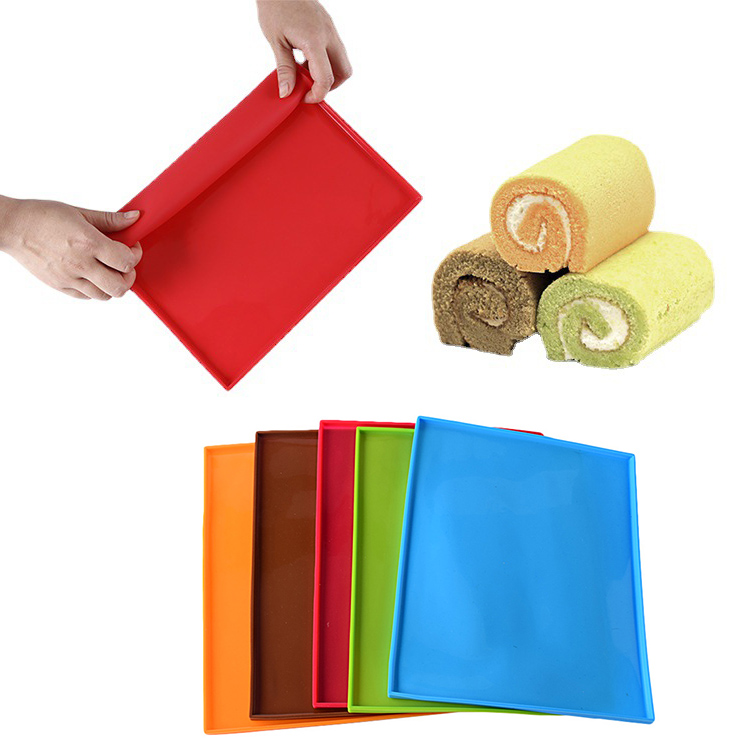
If you enjoy baking at home, you know how convenient a good silicone baking mat can be. From cookies to roasted vegetables to dough kneading, it offers a reusable, eco-friendly alternative to parchment paper.
A common question many bakers ask is: Can silicone baking mats go in the dishwasher?
The answer is yes—but there are a few things you should know to keep your mat clean, safe, and long-lasting. Let’s take a look.
A common question many bakers ask is: Can silicone baking mats go in the dishwasher?
The answer is yes—but there are a few things you should know to keep your mat clean, safe, and long-lasting. Let’s take a look.
can silicone baking mats go in the dishwasher

If you love cooking, you probably appreciate the comfort and convenience that silicone utensils bring to your kitchen. From flexible spatulas to heat-resistant spoons, they make stirring, flipping, and mixing much easier. But when it’s time to clean up, one question often comes up: Are silicone utensils dishwasher safe?
The short answer — yes! But let’s take a closer look at why silicone utensils are not only safe for dishwashers but also one of the smartest choices for a modern kitchen.
The short answer — yes! But let’s take a closer look at why silicone utensils are not only safe for dishwashers but also one of the smartest choices for a modern kitchen.
are silicone utensils dishwasher safe
SEND MESSAGE