
If baby spits up should I feed again
2025-04-09
If Baby Spits Up, Should I Feed Again?
As a new parent, one of the many concerns you may have is dealing with a baby who spits up. It's a common occurrence, but it can still be worrying. One question that often arises is whether to feed the baby again after they've spit up. Let's take a closer look at this issue.

Understanding Why Babies Spit Up
Before we can decide whether to feed again, it's important to understand why babies spit up. Infants have an immature digestive system. Their esophageal sphincter, the muscle that separates the esophagus from the stomach, is not fully developed. This allows milk to flow back up into the esophagus, resulting in spit - up. Additionally, overfeeding, swallowing air during feeding, or a sensitivity to certain foods in the mother's diet (if breastfeeding) can contribute to spitting up.
To Feed or Not to Feed?
If your baby spits up a small amount, it's usually not a cause for major concern. In many cases, you don't need to feed again immediately. A small spit - up could be due to a bit of extra milk in the mouth or a normal reflux of a small amount of stomach contents. However, if the spit - up seems forceful or is a large volume, and your baby seems hungry shortly after (showing signs like rooting or sucking on their hands), you may consider offering a small amount of milk. But be cautious. Don't overfeed, as this can lead to more spitting up. A good rule of thumb is to offer about half of what they would normally take at that feeding time.

What Should I Do When My Baby Spits Up?
-
Positioning: When your baby spits up, the first thing to do is to keep them safe. Make sure they are in an upright or semi - upright position. If they are lying down, gently turn their head to the side. This helps prevent the spit - up from going back into their airway, reducing the risk of choking.
-
Cleaning: Use a soft cloth or baby wipe to gently clean your baby's mouth and chin. Be careful not to rub too hard, as their skin is very delicate.
-
Assessing the Spit - Up: Take a look at the spit - up. If it's just milk, that's normal. However, if you notice blood, green or yellow liquid, or if the spit - up is very forceful (projectile vomiting), contact your pediatrician immediately.
-
Burping: If your baby hasn't been burped yet during the feeding, try burping them gently. This can help release any trapped air in their stomach, which may be contributing to the spitting up.
-
Frequency and Quantity: Keep track of how often your baby spits up and how much. If the spitting up seems to be increasing in frequency or volume over time, or if it's interfering with your baby's weight gain, it's a good idea to consult your doctor.

In conclusion, while spitting up is a normal part of a baby's development, it's important to handle it correctly. Whether to feed again after a spit - up depends on the circumstances, and following the steps above can help you manage this common baby issue with confidence.
Are silicone spatula safe
How to defrost breast milk bags
Related Article

When your baby starts to switch to solid food, choosing the right feeding tools is an important part of keeping meal times safe, healthy and stress-free. Among all the essential items for baby feeding, silicone baby bowls have quickly become the favorite of modern parents around the world.But why is it so important to choose the right silicone baby bowl? So how should parents screen?Let's get started.
Why choosing the right silicone baby bowl is so important

Choosing the right cup for your baby is frustrating for many new parents. From safety to durability to ease of cleaning, every detail is related to the product your baby uses every day. In recent years, silicone baby cups have become increasingly popular among parents around the world. But are they really better than traditional glasses? How do you choose the right one for your child?This guide will tell you everything you need to know.
How to Choose a Suitable Silicone Cup for Your Baby
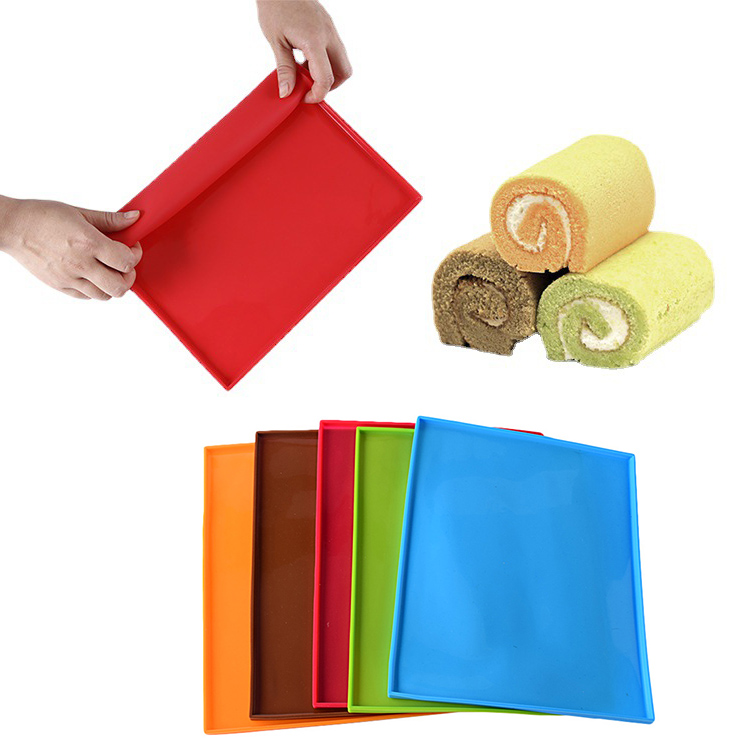
If you enjoy baking at home, you know how convenient a good silicone baking mat can be. From cookies to roasted vegetables to dough kneading, it offers a reusable, eco-friendly alternative to parchment paper.
A common question many bakers ask is: Can silicone baking mats go in the dishwasher?
The answer is yes—but there are a few things you should know to keep your mat clean, safe, and long-lasting. Let’s take a look.
A common question many bakers ask is: Can silicone baking mats go in the dishwasher?
The answer is yes—but there are a few things you should know to keep your mat clean, safe, and long-lasting. Let’s take a look.
can silicone baking mats go in the dishwasher

If you love cooking, you probably appreciate the comfort and convenience that silicone utensils bring to your kitchen. From flexible spatulas to heat-resistant spoons, they make stirring, flipping, and mixing much easier. But when it’s time to clean up, one question often comes up: Are silicone utensils dishwasher safe?
The short answer — yes! But let’s take a closer look at why silicone utensils are not only safe for dishwashers but also one of the smartest choices for a modern kitchen.
The short answer — yes! But let’s take a closer look at why silicone utensils are not only safe for dishwashers but also one of the smartest choices for a modern kitchen.
are silicone utensils dishwasher safe
SEND MESSAGE