
Is silicone bad for hair
2025-05-07
Is Silicone Bad for Hair? Unveiling the Truth
The Common Query: Silicone in Shampoo Ingredients
When browsing the ingredient lists of hair care products, you've likely noticed that many shampoos prominently feature silicone among their components. This has led to a common question: Is silicone bad for hair? The answer isn't as straightforward as a simple yes or no, and understanding the impact of silicone on your hair requires delving into its properties and how it interacts with different hair types, especially when it's part of your regular shampoo routine.

The Role of Silicones in Shampoos
Silicones, synthetic polymers, are widely incorporated into shampoos for specific purposes. Once lathered and applied to the hair, they create a protective layer on the hair shaft, smoothing the cuticle, reducing frizz, adding shine, and providing heat protection. For those with dry, damaged, or frizzy hair, silicone-infused shampoos can offer an immediate solution, transforming unruly locks into sleek, shiny tresses. Imagine stepping out of the shower with hair that feels soft and looks glossy right away, all thanks to the silicone in your shampoo.
Concerns over Long-Term Hair Health
However, the use of silicone in shampoos raises concerns about long-term effects on hair health. Since silicones are not water-soluble, each time you wash your hair with a silicone-containing shampoo, a small amount of silicone remains on the hair. Over time, this builds up, creating a barrier that prevents moisture from penetrating the hair shaft. As a result, the hair may become dry, brittle, and more prone to breakage. Additionally, this buildup can weigh the hair down, making it look limp and lifeless after shampooing. People with fine or thin hair may notice that their hair loses volume and appears flat after continuous use of such shampoos.

Impact on Other Hair Care Products
Another drawback is that the silicone buildup from shampoos can also affect the effectiveness of other hair care products. If you follow up your shampoo routine with treatments like hair masks or serums to nourish and repair your hair, the silicone layer formed by the shampoo can prevent these beneficial ingredients from reaching the hair follicles, reducing their efficacy.
Variations in Silicones and Mitigation Strategies
It's important to note that not all silicones are the same, especially when it comes to their inclusion in shampoos. Some types of water-soluble silicones, like cyclomethicone, are less likely to cause buildup in shampoos. These can be a better option for those who want the benefits of silicone in their cleansing routine without the potential drawbacks. Additionally, if you have healthy, thick hair, the occasional use of silicone-containing shampoos may not cause significant harm. Regular clarifying washes can also help remove any silicone buildup from shampoos, allowing you to enjoy the benefits of these products while minimizing the risks.

Conclusion: A Holistic Approach to Hair Care
In conclusion, whether silicone in shampoos is bad for hair depends on various factors, including your hair type, how often you use silicone-based shampoos, and the type of silicone in the products. While silicone in shampoos can provide immediate benefits in terms of hair appearance and manageability, long-term use without proper cleansing can lead to issues like dryness, breakage, and product ineffectiveness. Understanding your hair's needs and choosing the right shampoos, along with proper maintenance, is the key to keeping your hair healthy and beautiful.
What is silicon used for
Is silicone safer than plastic
Related Article

When your baby starts to switch to solid food, choosing the right feeding tools is an important part of keeping meal times safe, healthy and stress-free. Among all the essential items for baby feeding, silicone baby bowls have quickly become the favorite of modern parents around the world.But why is it so important to choose the right silicone baby bowl? So how should parents screen?Let's get started.
Why choosing the right silicone baby bowl is so important

Choosing the right cup for your baby is frustrating for many new parents. From safety to durability to ease of cleaning, every detail is related to the product your baby uses every day. In recent years, silicone baby cups have become increasingly popular among parents around the world. But are they really better than traditional glasses? How do you choose the right one for your child?This guide will tell you everything you need to know.
How to Choose a Suitable Silicone Cup for Your Baby
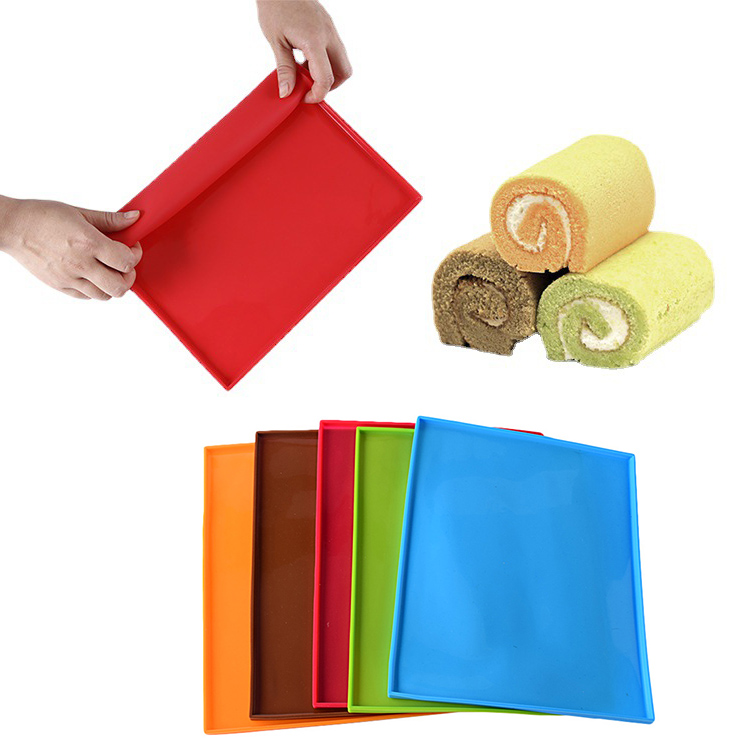
If you enjoy baking at home, you know how convenient a good silicone baking mat can be. From cookies to roasted vegetables to dough kneading, it offers a reusable, eco-friendly alternative to parchment paper.
A common question many bakers ask is: Can silicone baking mats go in the dishwasher?
The answer is yes—but there are a few things you should know to keep your mat clean, safe, and long-lasting. Let’s take a look.
A common question many bakers ask is: Can silicone baking mats go in the dishwasher?
The answer is yes—but there are a few things you should know to keep your mat clean, safe, and long-lasting. Let’s take a look.
can silicone baking mats go in the dishwasher

If you love cooking, you probably appreciate the comfort and convenience that silicone utensils bring to your kitchen. From flexible spatulas to heat-resistant spoons, they make stirring, flipping, and mixing much easier. But when it’s time to clean up, one question often comes up: Are silicone utensils dishwasher safe?
The short answer — yes! But let’s take a closer look at why silicone utensils are not only safe for dishwashers but also one of the smartest choices for a modern kitchen.
The short answer — yes! But let’s take a closer look at why silicone utensils are not only safe for dishwashers but also one of the smartest choices for a modern kitchen.
are silicone utensils dishwasher safe
SEND MESSAGE