
Is silicone safer than plastic
2025-05-07
Is silicone safer than plastic? A comprehensive comparison
When it comes to choosing materials for daily products, the question “Is silicone safer than plastic?” often arises. With growing concerns about health and environmental impacts, understanding the differences between these two materials is crucial. Let’s dive into a detailed comparison to find out the answer.

Material Composition and Structure
Plastic is a broad term for synthetic or semi-synthetic materials made from polymers. Many common plastics, such as polyvinyl chloride (PVC) and bisphenol A (BPA)-containing plastics, may release harmful chemicals. For example, PVC can emit dioxins during production, which are highly toxic pollutants. BPA, used in some plastics, has been linked to hormonal disruptions and potential health risks, especially when exposed to heat or acidic substances.
On the other hand, silicone is a synthetic rubber composed of silicon, oxygen, carbon, and hydrogen. Its molecular structure is much more stable than that of many plastics. The strong silicon-oxygen bonds in silicone make it less likely to break down and release harmful substances, providing a more reliable safety profile.
Chemical Stability and Safety in Use
Plastic’s chemical stability varies widely. Some plastics can leach harmful chemicals into food or beverages, particularly when they are exposed to high temperatures, solvents, or acids. A study by the Environmental Working Group found that certain plastic containers released dozens of chemicals, some of which mimicked hormones, when they came into contact with food.
Silicone, however, has excellent chemical resistance. It can withstand a wide range of temperatures, from -60°C to 250°C (-76°F to 482°F), without degrading or releasing toxic substances. This makes silicone suitable for various applications, such as kitchen utensils, baby products, and medical devices. For instance, silicone baby bottles are a popular choice because they won’t leach harmful chemicals into milk or water, even when sterilized at high temperatures.
Environmental Impact
Plastic pollution has become a global crisis. Most plastics are non-biodegradable, taking hundreds of years to decompose in landfills or the environment. They also contribute to marine pollution, harming wildlife and ecosystems. According to the United Nations, about 8 million tons of plastic enter the oceans every year.
Silicone, while also a synthetic material, has a relatively lower environmental impact. It is more durable, reducing the frequency of replacement. Moreover, some silicone products can be recycled, and it breaks down into less harmful substances compared to plastic. Although the recycling rate of silicone is still relatively low, its better degradability makes it a more environmentally friendly option in the long run.

Conclusion
In conclusion, silicone is indeed safer than plastic in many aspects. Its stable chemical structure, high temperature resistance, and lower environmental impact make it a more reliable choice for products that come into contact with food, skin, or are used in high-temperature environments. Whether it’s for baby products, kitchenware, or other daily items, choosing silicone over plastic can contribute to both personal health and environmental protection. However, it’s important to note that not all silicone products are created equal, so it’s essential to purchase from reputable sources to ensure quality and safety.
Is silicone bad for hair
How to clean silicone phone case
Related Article

When your baby starts to switch to solid food, choosing the right feeding tools is an important part of keeping meal times safe, healthy and stress-free. Among all the essential items for baby feeding, silicone baby bowls have quickly become the favorite of modern parents around the world.But why is it so important to choose the right silicone baby bowl? So how should parents screen?Let's get started.
Why choosing the right silicone baby bowl is so important

Choosing the right cup for your baby is frustrating for many new parents. From safety to durability to ease of cleaning, every detail is related to the product your baby uses every day. In recent years, silicone baby cups have become increasingly popular among parents around the world. But are they really better than traditional glasses? How do you choose the right one for your child?This guide will tell you everything you need to know.
How to Choose a Suitable Silicone Cup for Your Baby
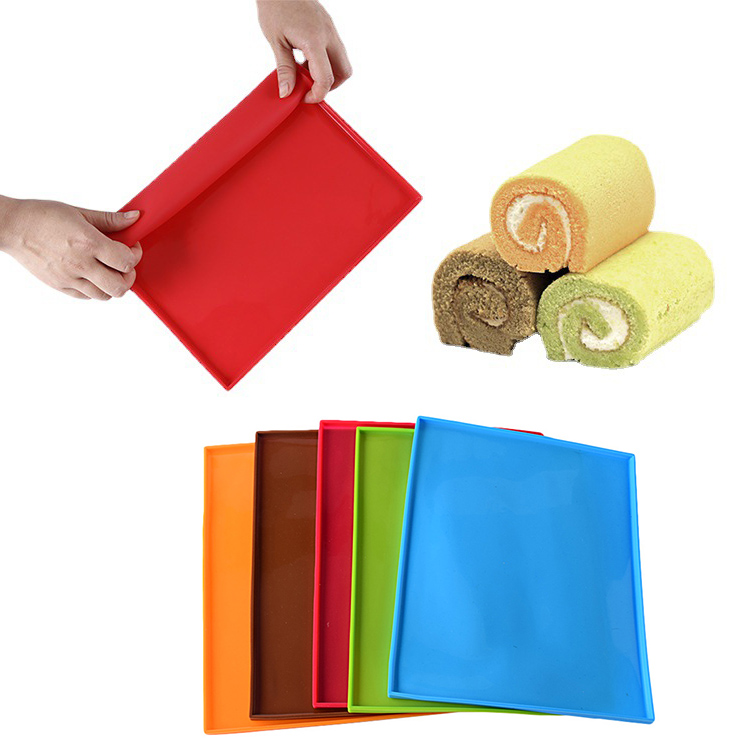
If you enjoy baking at home, you know how convenient a good silicone baking mat can be. From cookies to roasted vegetables to dough kneading, it offers a reusable, eco-friendly alternative to parchment paper.
A common question many bakers ask is: Can silicone baking mats go in the dishwasher?
The answer is yes—but there are a few things you should know to keep your mat clean, safe, and long-lasting. Let’s take a look.
A common question many bakers ask is: Can silicone baking mats go in the dishwasher?
The answer is yes—but there are a few things you should know to keep your mat clean, safe, and long-lasting. Let’s take a look.
can silicone baking mats go in the dishwasher

If you love cooking, you probably appreciate the comfort and convenience that silicone utensils bring to your kitchen. From flexible spatulas to heat-resistant spoons, they make stirring, flipping, and mixing much easier. But when it’s time to clean up, one question often comes up: Are silicone utensils dishwasher safe?
The short answer — yes! But let’s take a closer look at why silicone utensils are not only safe for dishwashers but also one of the smartest choices for a modern kitchen.
The short answer — yes! But let’s take a closer look at why silicone utensils are not only safe for dishwashers but also one of the smartest choices for a modern kitchen.
are silicone utensils dishwasher safe
SEND MESSAGE