
Silicone vs Rubber Pacifier
2025-06-10
Silicone vs Rubber Pacifiers: Why Silicone Is the Safer Choice for Babies
When it comes to choosing pacifiers for babies, the decision between silicone and rubber options requires careful consideration, especially regarding safety. While both materials have been used in pacifier production, silicone pacifiers stand out as the superior choice for ensuring your baby’s well-being. Here’s a detailed comparison that highlights why silicone pacifiers are safer and more beneficial.

Material Purity and Chemical Safety
Silicone pacifiers are crafted from food-grade silicone, a synthetic material known for its exceptional purity. Unlike natural rubber pacifiers, which are derived from latex, silicone does not contain proteins that can trigger allergic reactions in sensitive babies. Latex allergies are relatively common and can cause skin irritations, breathing difficulties, or more severe responses. Additionally, silicone pacifiers are free from harmful chemicals like BPA, phthalates, and lead, which have been linked to developmental issues. Rubber pacifiers, especially those made from untreated natural latex, may undergo chemical processing that could leave residual substances, posing potential risks to babies who suck on them for extended periods.
Durability and Resistance to Degradation
Silicone boasts remarkable durability, making it less prone to cracking, tearing, or breaking compared to rubber. Babies have a strong sucking reflex and often gnaw on pacifiers, which can wear down less robust materials. A damaged pacifier might break into small pieces, creating a choking hazard. Silicone pacifiers maintain their shape and structural integrity even after repeated use, washing, and exposure to high temperatures during sterilization. In contrast, rubber pacifiers tend to deteriorate over time, becoming sticky or developing tiny holes that can harbor bacteria or allow the material to flake off.
Ease of Cleaning and Hygiene
Maintaining proper hygiene for pacifiers is crucial to protect babies from infections. Silicone pacifiers are non-porous, meaning they don’t absorb liquids, milk, or saliva, which helps prevent the growth of mold, bacteria, or yeast. They can be easily cleaned with warm soapy water, sterilized in boiling water, or placed in a dishwasher (check the manufacturer’s instructions), ensuring thorough sanitization. Rubber pacifiers, however, have a more porous structure, making them more susceptible to trapping residues. Even with careful cleaning, tiny particles or moisture can get lodged in the pores, creating a breeding ground for germs. This porosity also makes rubber pacifiers more likely to retain odors or tastes, which might affect a baby’s acceptance of the pacifier.

Temperature Stability and Comfort
Silicone pacifiers offer better temperature stability, remaining at a neutral temperature that is comfortable for babies, whether used at room temperature or after being chilled (if recommended for teething). They don’t become overly hard in cold temperatures or too soft when warm, maintaining a consistent texture that babies find reassuring. Rubber pacifiers, on the other hand, may become stiffer in colder environments, which could be uncomfortable for babies, and they might absorb heat more quickly, potentially becoming too warm. The consistent softness and flexibility of silicone also mimic the feel of a mother’s breast, providing a more natural and comforting sucking experience for infants.
Longevity and Cost-Effectiveness
Although silicone pacifiers might have a slightly higher initial cost than some rubber options, their durability and resistance to degradation make them more cost-effective in the long run. Parents don’t need to replace silicone pacifiers as frequently, reducing both the expense and the hassle of constantly buying new ones. Rubber pacifiers, due to their shorter lifespan and tendency to deteriorate, often require more frequent replacement, which can add up over time. Investing in high-quality silicone pacifiers ensures you have a safe and reliable product that lasts throughout your baby’s pacifier-using stage.
Environmental Considerations
While environmental impact might not be the first thought when choosing a pacifier, silicone pacifiers offer an advantage in this regard too. They are more resistant to wear and tear, meaning fewer pacifiers end up in landfills due to degradation. Additionally, many silicone pacifiers are designed with recyclable materials or can be disposed of more responsibly compared to some rubber pacifiers, which might contain a mix of materials that are harder to recycle.

Conclusion: Prioritizing Safety with Silicone
When it comes to your baby’s safety and comfort, silicone pacifiers clearly outshine rubber options. Their chemical-free composition, allergy-resistant properties, durability, and ease of cleaning make them the ideal choice for parents who want to ensure their little ones have a safe and hygienic pacifier. By choosing silicone, you’re not only providing a comforting tool for your baby but also making a decision that prioritizes their health and well-being. Always opt for reputable brands that meet safety standards, and remember to inspect pacifiers regularly for any signs of damage, regardless of the material—though with silicone, you’ll find such inspections yield fewer concerns about wear and tear.
Are silicone scrubbers good
How to bottle feed a baby
Related Article

When your baby starts to switch to solid food, choosing the right feeding tools is an important part of keeping meal times safe, healthy and stress-free. Among all the essential items for baby feeding, silicone baby bowls have quickly become the favorite of modern parents around the world.But why is it so important to choose the right silicone baby bowl? So how should parents screen?Let's get started.
Why choosing the right silicone baby bowl is so important

Choosing the right cup for your baby is frustrating for many new parents. From safety to durability to ease of cleaning, every detail is related to the product your baby uses every day. In recent years, silicone baby cups have become increasingly popular among parents around the world. But are they really better than traditional glasses? How do you choose the right one for your child?This guide will tell you everything you need to know.
How to Choose a Suitable Silicone Cup for Your Baby
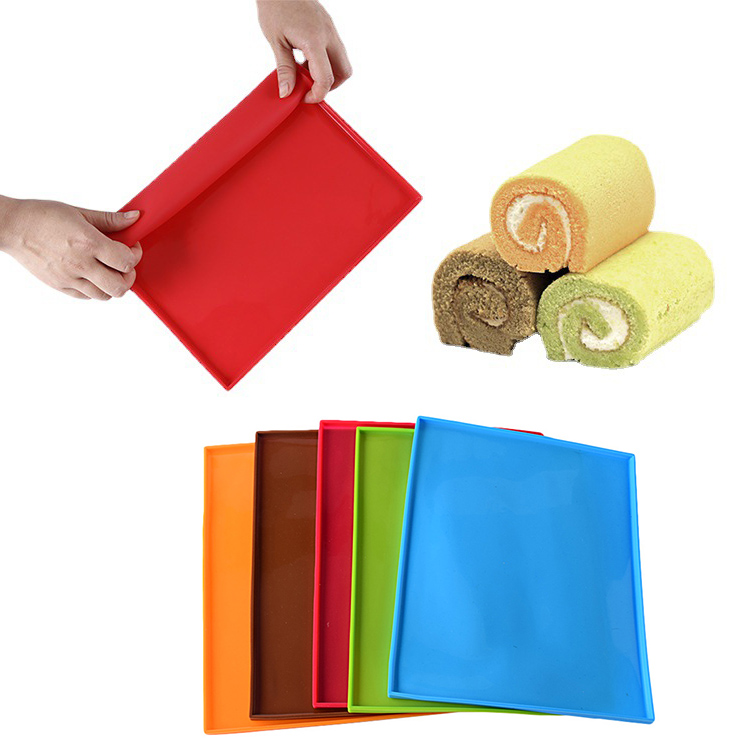
If you enjoy baking at home, you know how convenient a good silicone baking mat can be. From cookies to roasted vegetables to dough kneading, it offers a reusable, eco-friendly alternative to parchment paper.
A common question many bakers ask is: Can silicone baking mats go in the dishwasher?
The answer is yes—but there are a few things you should know to keep your mat clean, safe, and long-lasting. Let’s take a look.
A common question many bakers ask is: Can silicone baking mats go in the dishwasher?
The answer is yes—but there are a few things you should know to keep your mat clean, safe, and long-lasting. Let’s take a look.
can silicone baking mats go in the dishwasher

If you love cooking, you probably appreciate the comfort and convenience that silicone utensils bring to your kitchen. From flexible spatulas to heat-resistant spoons, they make stirring, flipping, and mixing much easier. But when it’s time to clean up, one question often comes up: Are silicone utensils dishwasher safe?
The short answer — yes! But let’s take a closer look at why silicone utensils are not only safe for dishwashers but also one of the smartest choices for a modern kitchen.
The short answer — yes! But let’s take a closer look at why silicone utensils are not only safe for dishwashers but also one of the smartest choices for a modern kitchen.
are silicone utensils dishwasher safe
SEND MESSAGE