
What does mold on chocolate look like
2025-05-13
What Does Mold on Chocolate Look Like? A Visual Guide
Chocolate, a beloved treat enjoyed by people worldwide, is not immune to the growth of mold. While chocolate has a relatively long shelf life, improper storage conditions can lead to the development of mold, compromising its quality and safety. In this blog post, we will explore what mold on chocolate looks like, how to identify it, and what to do if you find moldy chocolate.

Understanding Mold Growth on Chocolate
Mold is a type of fungus that thrives in warm, humid environments. Chocolate contains fats, sugars, and other organic compounds that provide an ideal food source for mold spores. When chocolate is exposed to moisture, whether through improper storage or environmental factors, mold spores can germinate and grow, leading to the formation of visible mold colonies on the surface of the chocolate.
What Does Mold on Chocolate Look Like?
Mold on chocolate can manifest in various forms, depending on the type of mold and the stage of growth. Here are some common visual characteristics to look for:
-
Color: Mold on chocolate can appear in a range of colors, including white, gray, green, blue, and black. White mold is often the first sign of mold growth on chocolate, and it may appear as small, fuzzy patches on the surface. As the mold progresses, it can turn gray, green, blue, or black, indicating the presence of different types of mold species.
-
Texture: Mold on chocolate typically has a fuzzy or powdery texture. The mold colonies may appear as small, raised patches or a thin, velvety layer covering the surface of the chocolate. In some cases, the mold may penetrate the chocolate, causing it to become soft, spongy, or discolored.
-
Shape: Mold on chocolate can grow in various shapes and sizes. It may appear as small, circular patches, irregular spots, or a continuous layer covering the entire surface of the chocolate. The shape of the mold colonies can vary depending on the type of mold and the conditions in which it is growing.

Examples of Mold on Chocolate
To help you visualize what mold on chocolate looks like, here are some examples of different types of mold that can grow on chocolate:
-
White Mold: White mold is one of the most common types of mold that grows on chocolate. It typically appears as small, fuzzy patches on the surface of the chocolate and may have a powdery texture. White mold is often caused by the growth of Penicillium or Aspergillus species.
-
Green Mold: Green mold on chocolate is usually caused by the growth of Penicillium or Aspergillus species. It appears as small, circular patches or irregular spots on the surface of the chocolate and may have a fuzzy or velvety texture. Green mold can be particularly dangerous, as some species of Penicillium and Aspergillus produce mycotoxins, which are toxic substances that can cause serious health problems.
-
Blue Mold: Blue mold on chocolate is often caused by the growth of Penicillium species. It appears as small, circular patches or irregular spots on the surface of the chocolate and may have a fuzzy or velvety texture. Blue mold is commonly used in the production of blue cheese, but it can also grow on chocolate if the storage conditions are not optimal.
-
Black Mold: Black mold on chocolate is usually caused by the growth of Cladosporium or Alternaria species. It appears as small, circular patches or irregular spots on the surface of the chocolate and may have a fuzzy or velvety texture. Black mold can be particularly difficult to remove from chocolate, as it can penetrate the surface and cause discoloration and spoilage.
How to Identify Mold on Chocolate
Identifying mold on chocolate can be challenging, especially if the mold is in the early stages of growth. Here are some tips to help you identify mold on chocolate:
-
Check the expiration date: Chocolate has a relatively long shelf life, but it does expire. Check the expiration date on the chocolate packaging to ensure that it is still within the recommended storage period.
-
Inspect the surface: Look for any signs of discoloration, fuzzy patches, or powdery textures on the surface of the chocolate. Mold on chocolate can appear in various colors, so it's important to look for any unusual changes in the appearance of the chocolate.
-
Smell the chocolate: Moldy chocolate often has a musty or unpleasant odor. If the chocolate smells off or has a strange odor, it may be moldy.
-
Check for moisture: Mold thrives in warm, humid environments. If the chocolate has been exposed to moisture, either through improper storage or environmental factors, it may be more likely to develop mold.

What to Do If You Find Moldy Chocolate
If you find moldy chocolate, it's important to discard it immediately. Mold on chocolate can produce mycotoxins, which are toxic substances that can cause serious health problems if ingested. Even if the mold is only visible on the surface of the chocolate, it may have penetrated the interior, making it unsafe to eat.
To prevent mold growth on chocolate, it's important to store it properly. Chocolate should be stored in a cool, dry place, away from direct sunlight and heat sources. Avoid storing chocolate in the refrigerator or freezer, as the moisture and temperature fluctuations can cause the chocolate to develop condensation, which can lead to mold growth.
In conclusion, mold on chocolate can be a common problem, especially if the chocolate is not stored properly. By understanding what mold on chocolate looks like, how to identify it, and what to do if you find moldy chocolate, you can ensure that your chocolate is safe and enjoyable to eat. Remember to always store chocolate in a cool, dry place, away from direct sunlight and heat sources, and to check the expiration date before consuming it.
How to make chocolate in molds
How to make a chocolate mold
Related Article

When your baby starts to switch to solid food, choosing the right feeding tools is an important part of keeping meal times safe, healthy and stress-free. Among all the essential items for baby feeding, silicone baby bowls have quickly become the favorite of modern parents around the world.But why is it so important to choose the right silicone baby bowl? So how should parents screen?Let's get started.
Why choosing the right silicone baby bowl is so important

Choosing the right cup for your baby is frustrating for many new parents. From safety to durability to ease of cleaning, every detail is related to the product your baby uses every day. In recent years, silicone baby cups have become increasingly popular among parents around the world. But are they really better than traditional glasses? How do you choose the right one for your child?This guide will tell you everything you need to know.
How to Choose a Suitable Silicone Cup for Your Baby
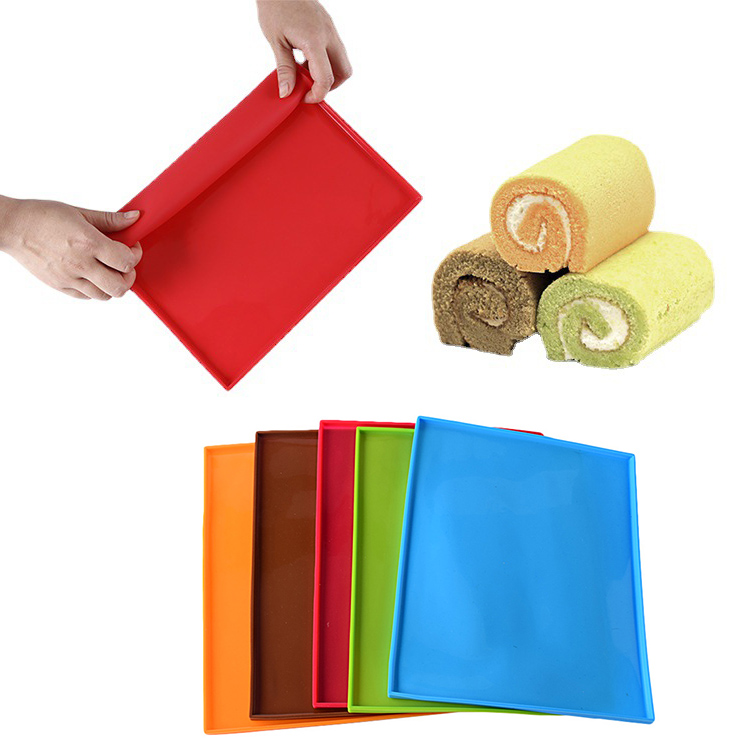
If you enjoy baking at home, you know how convenient a good silicone baking mat can be. From cookies to roasted vegetables to dough kneading, it offers a reusable, eco-friendly alternative to parchment paper.
A common question many bakers ask is: Can silicone baking mats go in the dishwasher?
The answer is yes—but there are a few things you should know to keep your mat clean, safe, and long-lasting. Let’s take a look.
A common question many bakers ask is: Can silicone baking mats go in the dishwasher?
The answer is yes—but there are a few things you should know to keep your mat clean, safe, and long-lasting. Let’s take a look.
can silicone baking mats go in the dishwasher

If you love cooking, you probably appreciate the comfort and convenience that silicone utensils bring to your kitchen. From flexible spatulas to heat-resistant spoons, they make stirring, flipping, and mixing much easier. But when it’s time to clean up, one question often comes up: Are silicone utensils dishwasher safe?
The short answer — yes! But let’s take a closer look at why silicone utensils are not only safe for dishwashers but also one of the smartest choices for a modern kitchen.
The short answer — yes! But let’s take a closer look at why silicone utensils are not only safe for dishwashers but also one of the smartest choices for a modern kitchen.
are silicone utensils dishwasher safe
SEND MESSAGE