
What is silicon used for
2025-05-07
What is silicon used for
Silicon, the second most abundant element in the Earth's crust, is a versatile material that has revolutionized numerous industries. From the electronics in our pockets to the structures that surround us, silicon plays a crucial role in modern life. So, what exactly is silicon used for? Let's explore its diverse applications.
Electronics and Semiconductors
At the heart of the digital age lies silicon's role in electronics. Silicon is the primary material used in the production of semiconductors, which are essential components in electronic devices. Its unique electrical properties, such as the ability to conduct electricity under certain conditions while acting as an insulator in others, make it ideal for creating integrated circuits (ICs).
These ICs are the building blocks of microprocessors, memory chips, and other electronic components found in computers, smartphones, tablets, and countless other devices. The miniaturization of silicon-based chips has led to the development of more powerful, compact, and energy-efficient electronics, enabling technological advancements like artificial intelligence, high-speed computing, and the Internet of Things (IoT).
Solar Energy
Silicon is also a key player in the renewable energy sector, particularly in solar power generation. Photovoltaic (PV) cells, which convert sunlight into electricity, are predominantly made from silicon. When sunlight hits these silicon-based cells, it excites electrons, creating an electric current.
There are different types of silicon used in PV cells, including monocrystalline, polycrystalline, and thin-film silicon. Monocrystalline silicon cells are known for their high efficiency and long lifespan, while polycrystalline cells offer a more cost-effective alternative. Thin-film silicon cells, on the other hand, are flexible and lightweight, making them suitable for a variety of applications, from rooftop solar panels to portable chargers.
Construction and Building Materials
In the construction industry, silicon-based materials are widely used for their durability, strength, and resistance to various environmental factors. Silicone sealants, for example, are used to fill gaps and joints in buildings, providing a watertight and airtight seal. These sealants are flexible, resistant to extreme temperatures, and can withstand exposure to UV radiation, making them ideal for both indoor and outdoor applications.
Silicon dioxide, or silica, is a major component of glass, which is used in windows, doors, and other building elements. Silica-based ceramics are also used in construction for their high strength and heat resistance. They are used in applications such as refractory bricks for furnaces and kilns, as well as in the production of ceramic tiles and countertops.
Chemical and Industrial Applications
Silicon compounds have a wide range of applications in the chemical and industrial sectors. Silicones, a class of synthetic polymers made from silicon, oxygen, carbon, and hydrogen, are used in products such as lubricants, adhesives, and coatings. These materials offer excellent thermal stability, water repellency, and electrical insulation properties.
Silicon carbide, another important silicon compound, is used as an abrasive material in sandpaper, grinding wheels, and cutting tools. It is also used in the production of high-performance ceramics, such as those used in automotive engines and aerospace components, due to its high hardness, strength, and wear resistance.
Consumer Products
Silicon can be found in many everyday consumer products. In the beauty and personal care industry, silicones are used in hair care products, skincare creams, and cosmetics for their smooth texture, moisturizing properties, and ability to create a protective barrier on the skin.
Silicone rubber is also used in the production of kitchenware, such as baking mats, spatulas, and oven mitts, due to its heat resistance, non-stick properties, and durability. Additionally, silicon-based materials are used in the manufacturing of toys, sporting goods, and medical devices, such as catheters and implants.


In conclusion, silicon's versatility and unique properties have made it an indispensable material in a wide range of industries. From powering our digital devices to generating clean energy, from constructing buildings to creating consumer products, silicon continues to shape and enhance our modern world. As technology continues to advance, we can expect even more innovative applications of this remarkable element in the future.
How to make homemade ice cream
Is silicone bad for hair
Related Article

When your baby starts to switch to solid food, choosing the right feeding tools is an important part of keeping meal times safe, healthy and stress-free. Among all the essential items for baby feeding, silicone baby bowls have quickly become the favorite of modern parents around the world.But why is it so important to choose the right silicone baby bowl? So how should parents screen?Let's get started.
Why choosing the right silicone baby bowl is so important

Choosing the right cup for your baby is frustrating for many new parents. From safety to durability to ease of cleaning, every detail is related to the product your baby uses every day. In recent years, silicone baby cups have become increasingly popular among parents around the world. But are they really better than traditional glasses? How do you choose the right one for your child?This guide will tell you everything you need to know.
How to Choose a Suitable Silicone Cup for Your Baby
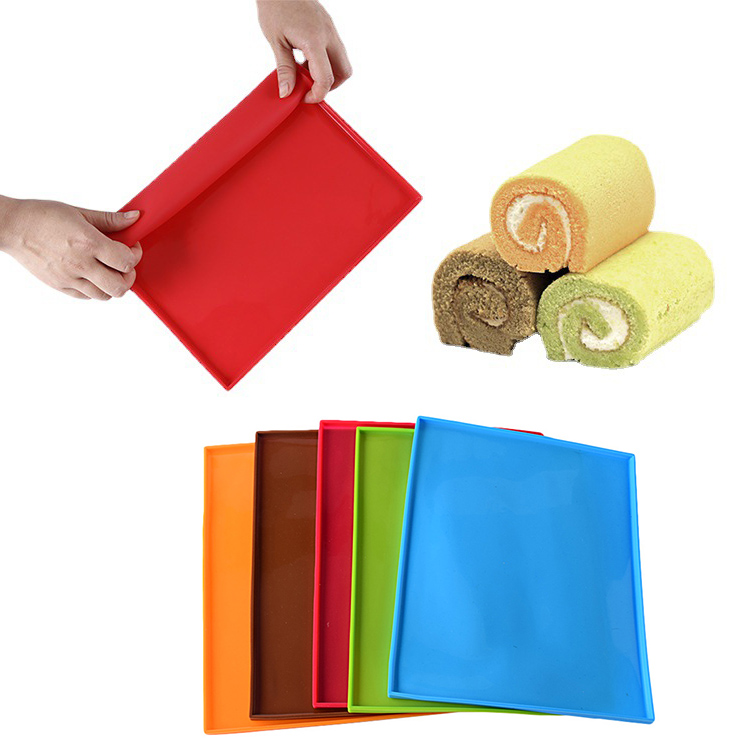
If you enjoy baking at home, you know how convenient a good silicone baking mat can be. From cookies to roasted vegetables to dough kneading, it offers a reusable, eco-friendly alternative to parchment paper.
A common question many bakers ask is: Can silicone baking mats go in the dishwasher?
The answer is yes—but there are a few things you should know to keep your mat clean, safe, and long-lasting. Let’s take a look.
A common question many bakers ask is: Can silicone baking mats go in the dishwasher?
The answer is yes—but there are a few things you should know to keep your mat clean, safe, and long-lasting. Let’s take a look.
can silicone baking mats go in the dishwasher

If you love cooking, you probably appreciate the comfort and convenience that silicone utensils bring to your kitchen. From flexible spatulas to heat-resistant spoons, they make stirring, flipping, and mixing much easier. But when it’s time to clean up, one question often comes up: Are silicone utensils dishwasher safe?
The short answer — yes! But let’s take a closer look at why silicone utensils are not only safe for dishwashers but also one of the smartest choices for a modern kitchen.
The short answer — yes! But let’s take a closer look at why silicone utensils are not only safe for dishwashers but also one of the smartest choices for a modern kitchen.
are silicone utensils dishwasher safe
SEND MESSAGE