
When do babies get teeth
2025-04-22
When do Babies Get Teeth? Unveiling the Mysteries of Infant Tooth Development
For new parents, the arrival of a baby's first tooth is a significant milestone, often filled with excitement and anticipation. But when exactly do babies get teeth? While there's no one - size - fits - all answer, understanding the general timeline and factors at play can help parents navigate this important stage of their child's development.

The Average Timeline
Most babies start teething around 6 months of age, but it's entirely normal for the first tooth to appear as early as 3 months or as late as 12 months. The first teeth to emerge are usually the two lower central incisors, located at the front of the bottom gum. After that, the upper central incisors typically follow suit within a few weeks or months. By the time a baby reaches 12 - 15 months, they usually have around 6 - 8 teeth.
Teething Progression
As the baby grows, the teething process continues. Between 12 - 18 months, the lateral incisors (next to the central incisors) start to come in, both on the top and bottom. Around 16 - 22 months, the first molars make their appearance. These larger teeth at the back of the mouth are crucial for chewing. Finally, the canines, also known as cuspids, usually break through the gums between 16 - 22 months on the top and 18 - 24 months on the bottom. By the age of 2 - 3 years, most children have a full set of 20 primary teeth.

Factors Affecting Tooth Eruption
Several factors can influence when a baby gets their teeth. Genetics play a significant role. If either parent had late - teething tendencies, it's more likely that their baby will too. Nutrition also matters. A diet rich in calcium, vitamin D, and other essential nutrients is vital for healthy tooth development. For example, breast milk or formula provides the necessary building blocks for strong teeth, and as solids are introduced, incorporating dairy products, leafy greens, and fortified cereals can support dental health. Overall health can impact teething as well. Babies who are frequently ill or have certain medical conditions may experience delays in tooth eruption.
Signs of Teething
When a baby is teething, there are several common signs parents can watch for. Excessive drooling is one of the earliest and most noticeable symptoms. Babies may also become fussy, have trouble sleeping, and show a desire to chew on anything they can get their hands on, as this helps soothe their sore gums. Some babies may experience mild fever, a rash around the mouth due to the constant drooling, and even diarrhea in rare cases.

Understanding when babies get teeth and what to expect during the teething process can make this period less stressful for both parents and babies. While the timeline may vary, as long as your baby is growing and developing well overall, there's usually no need to worry. If you have concerns about your baby's teething or dental development, it's always a good idea to consult your pediatrician or a pediatric dentist.
How long should you brush your teeth
How long do babies wear bibs
Related Article

When your baby starts to switch to solid food, choosing the right feeding tools is an important part of keeping meal times safe, healthy and stress-free. Among all the essential items for baby feeding, silicone baby bowls have quickly become the favorite of modern parents around the world.But why is it so important to choose the right silicone baby bowl? So how should parents screen?Let's get started.
Why choosing the right silicone baby bowl is so important

Choosing the right cup for your baby is frustrating for many new parents. From safety to durability to ease of cleaning, every detail is related to the product your baby uses every day. In recent years, silicone baby cups have become increasingly popular among parents around the world. But are they really better than traditional glasses? How do you choose the right one for your child?This guide will tell you everything you need to know.
How to Choose a Suitable Silicone Cup for Your Baby
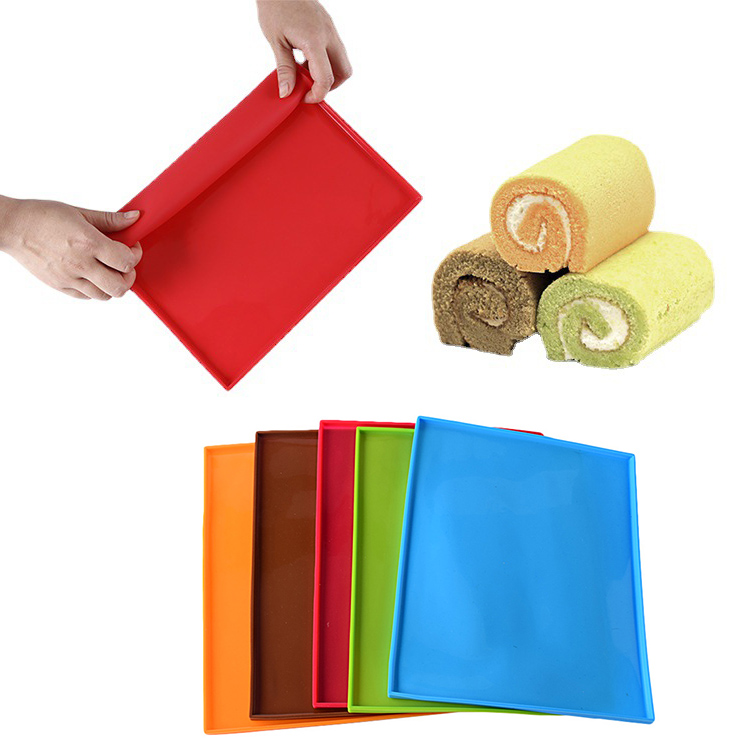
If you enjoy baking at home, you know how convenient a good silicone baking mat can be. From cookies to roasted vegetables to dough kneading, it offers a reusable, eco-friendly alternative to parchment paper.
A common question many bakers ask is: Can silicone baking mats go in the dishwasher?
The answer is yes—but there are a few things you should know to keep your mat clean, safe, and long-lasting. Let’s take a look.
A common question many bakers ask is: Can silicone baking mats go in the dishwasher?
The answer is yes—but there are a few things you should know to keep your mat clean, safe, and long-lasting. Let’s take a look.
can silicone baking mats go in the dishwasher

If you love cooking, you probably appreciate the comfort and convenience that silicone utensils bring to your kitchen. From flexible spatulas to heat-resistant spoons, they make stirring, flipping, and mixing much easier. But when it’s time to clean up, one question often comes up: Are silicone utensils dishwasher safe?
The short answer — yes! But let’s take a closer look at why silicone utensils are not only safe for dishwashers but also one of the smartest choices for a modern kitchen.
The short answer — yes! But let’s take a closer look at why silicone utensils are not only safe for dishwashers but also one of the smartest choices for a modern kitchen.
are silicone utensils dishwasher safe
SEND MESSAGE