
when do babies get their first teeth
2025-07-18
When Do Babies Get Their First Teeth? A Guide for New Parents
As a new parent, you may find yourself eagerly (or nervously) waiting for your baby’s first tooth to make its appearance. This tiny milestone is a big step in their development, but when exactly can you expect it? Let’s break down the timeline, variations, and what to look out for.
The Typical Timeline: 4 to 7 Months
In most cases, babies start teething between 4 and 7 months of age. The first teeth to emerge are usually the lower central incisors—the two front teeth on the bottom gum. These are often followed by the upper central incisors a few weeks or months later. By the time your baby turns 1 year old, it’s common for them to have 6 to 8 teeth. at the time ,you need to buy our silicone finger toothbrush to brush baby's teeth ,and then protect it better from now on .
This timeline is based on average development, but remember: every baby is unique. Some may follow this schedule closely, while others take their time.

Early Bloomers and Late Bloomers: What’s Normal?
Don’t panic if your baby’s first tooth arrives earlier or later than the 4–7 month window. Early teething (as young as 3 months) is rare but perfectly healthy. On the flip side, some babies won’t get their first tooth until 12 to 14 months—and this is also considered normal.
Genetics play a big role here. If you or your partner teethed late as infants, your baby might follow suit. However, if your baby hasn’t gotten any teeth by 18 months, it’s a good idea to check in with their pediatrician to rule out any underlying issues.
Signs That Teething Is Starting
How can you tell when those tiny teeth are on their way? Look for these common signs:
-
Gum irritation: Your baby may gnaw on toys, fingers, or even your shoulder to relieve soreness. at this time , you can order below our silicone baby teeth for your baby ,it can reduce the soreness.
-
Drooling: Excessive drooling is typical, and you might notice more bib changes than usual.
-
Fussiness: Sore gums can make babies cranky, especially during naps or bedtime.
-
Mild fever: A slight rise in temperature (not over 100.4°F/38°C) is sometimes linked to teething, but consult a doctor if fever is high.

Tips for Comforting a Teething Baby
While teething is a natural process, it can be uncomfortable for your little one. Try these gentle remedies:
-
Offer a clean, chilled silicone teething ring
-
Gently massage their gums with a clean finger.
-
For older babies (6+ months), cold, soft foods like yogurt or pureed fruits can soothe soreness.
-
If fussiness is severe, ask your pediatrician about infant-safe pain relievers.

Celebrate the Milestone!
Your baby’s first tooth is more than just a tiny white speck—it’s a sign they’re growing and developing. Capture the moment with a photo, and don’t worry if the timeline isn’t “perfect.” Every baby grows at their own pace, and before you know it, those first teeth will be followed by a full set of pearly whites (and maybe a few toothless grins in between!).
when do babies start growing teeth
when do babies first teeth come in
Related Article

When your baby starts to switch to solid food, choosing the right feeding tools is an important part of keeping meal times safe, healthy and stress-free. Among all the essential items for baby feeding, silicone baby bowls have quickly become the favorite of modern parents around the world.But why is it so important to choose the right silicone baby bowl? So how should parents screen?Let's get started.
Why choosing the right silicone baby bowl is so important

Choosing the right cup for your baby is frustrating for many new parents. From safety to durability to ease of cleaning, every detail is related to the product your baby uses every day. In recent years, silicone baby cups have become increasingly popular among parents around the world. But are they really better than traditional glasses? How do you choose the right one for your child?This guide will tell you everything you need to know.
How to Choose a Suitable Silicone Cup for Your Baby
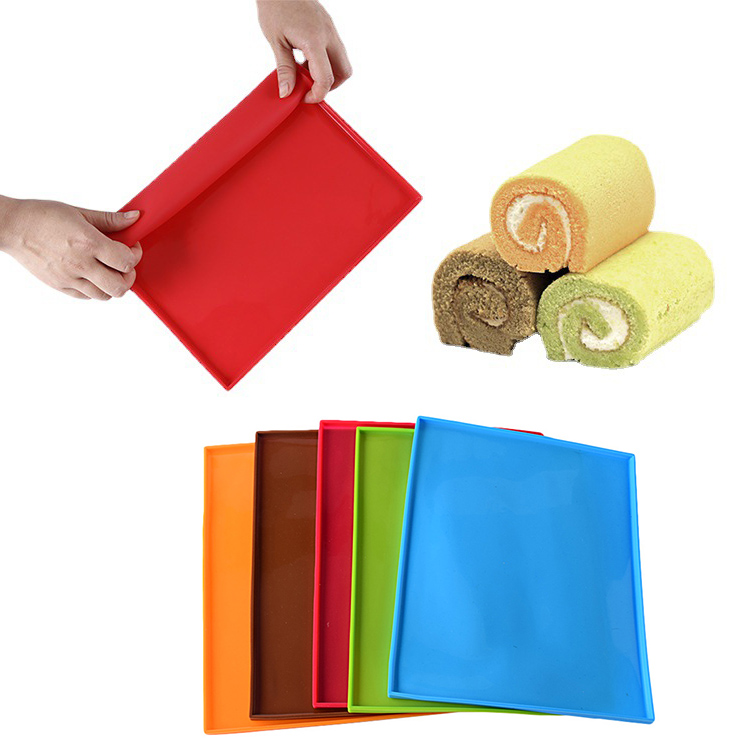
If you enjoy baking at home, you know how convenient a good silicone baking mat can be. From cookies to roasted vegetables to dough kneading, it offers a reusable, eco-friendly alternative to parchment paper.
A common question many bakers ask is: Can silicone baking mats go in the dishwasher?
The answer is yes—but there are a few things you should know to keep your mat clean, safe, and long-lasting. Let’s take a look.
A common question many bakers ask is: Can silicone baking mats go in the dishwasher?
The answer is yes—but there are a few things you should know to keep your mat clean, safe, and long-lasting. Let’s take a look.
can silicone baking mats go in the dishwasher

If you love cooking, you probably appreciate the comfort and convenience that silicone utensils bring to your kitchen. From flexible spatulas to heat-resistant spoons, they make stirring, flipping, and mixing much easier. But when it’s time to clean up, one question often comes up: Are silicone utensils dishwasher safe?
The short answer — yes! But let’s take a closer look at why silicone utensils are not only safe for dishwashers but also one of the smartest choices for a modern kitchen.
The short answer — yes! But let’s take a closer look at why silicone utensils are not only safe for dishwashers but also one of the smartest choices for a modern kitchen.
are silicone utensils dishwasher safe
SEND MESSAGE