
when do babies play with toys
2025-10-28
When Do Babies Start Playing with Toys?
Every parent loves watching their baby grow — from the first smile to the first word, every milestone is precious. Among those milestones, playing with toys is an exciting stage because it’s not only fun but also essential for a baby’s learning and development.
So, when do babies actually start to play with toys? And how can you choose safe, hygienic, and durable toys for them? Let’s find out.
The Right Age for Babies to Start Playing with Toys
Babies start showing interest in toys surprisingly early.
-
0–3 months: Newborns begin exploring the world with their eyes and hands. Soft rattles, high-contrast toys, and gentle textures attract their attention.
-
3–6 months: Babies learn to grab, shake, and chew. At this stage, safe teething toys or silicone toys are perfect for soothing gums and developing motor skills.
-
6–12 months: They become curious explorers — banging, stacking, and mouthing everything they can reach. Interactive toys encourage hand-eye coordination and sensory learning.
Every baby develops at their own pace, but safe, age-appropriate toys help them discover and grow confidently.

Why Choosing the Right Toy Matters
Babies explore the world through touch and taste — which means most toys end up in their mouths. That’s why toy material safety is crucial. Toys made from plastic or low-quality rubber may contain harmful chemicals or trap dirt and bacteria.
To keep your little one safe, always look for toys made from food-grade, BPA-free silicone — soft, safe, and easy to clean.
Introducing Our Silicone Baby Toys
Our silicone baby toys are specially designed to make playtime fun, safe, and worry-free for parents. Whether used as a teether, rattle, or sensory toy, they combine comfort, safety, and practicality.
Key Features:
-
Food-Grade, BPA-Free Silicone — 100% non-toxic and safe for babies to chew and explore.
-
High Temperature Resistance (-40°C to 230°C) — safe for boiling, sterilizing, or freezing without deformation.
-
Easy to Clean & Quick-Drying — the smooth, non-porous surface resists stains, making cleaning simple and fast.
-
Hygienic & Anti-Bacterial — dries quickly after washing to reduce bacterial growth, keeping playtime clean and healthy.
-
Soft and Gentle — flexible silicone is soft enough to protect babies from accidental bumps or scratches.
-
Durable and Long-Lasting — tough enough to withstand chewing and daily play, saving you money and reducing waste.
These thoughtful details make silicone baby toys a smart and sustainable choice for modern families.

Safe, Fun, and Development-Friendly
Beyond safety, silicone baby toys help babies develop essential skills:
-
Sensory learning: Different shapes and textures stimulate touch and curiosity.
-
Motor skills: Gripping, shaking, and mouthing improve hand coordination.
-
Soothing relief: Soft silicone provides gentle gum massage during teething.
When toys are both fun and safe, babies can explore freely, and parents can relax knowing their little one is in good hands.

Keep Playtime Clean and Happy
Choosing the right toy is more than just about fun — it’s about safety, hygiene, and comfort. With food-grade silicone baby toys, you’re giving your child a safe start, free from harmful chemicals and full of joyful learning.
Explore our premium silicone baby toys today — soft, hygienic, and built to grow with your baby.
are silicone bottles safe
how to clean silicone baking mat
Related Article

When your baby starts to switch to solid food, choosing the right feeding tools is an important part of keeping meal times safe, healthy and stress-free. Among all the essential items for baby feeding, silicone baby bowls have quickly become the favorite of modern parents around the world.But why is it so important to choose the right silicone baby bowl? So how should parents screen?Let's get started.
Why choosing the right silicone baby bowl is so important

Choosing the right cup for your baby is frustrating for many new parents. From safety to durability to ease of cleaning, every detail is related to the product your baby uses every day. In recent years, silicone baby cups have become increasingly popular among parents around the world. But are they really better than traditional glasses? How do you choose the right one for your child?This guide will tell you everything you need to know.
How to Choose a Suitable Silicone Cup for Your Baby
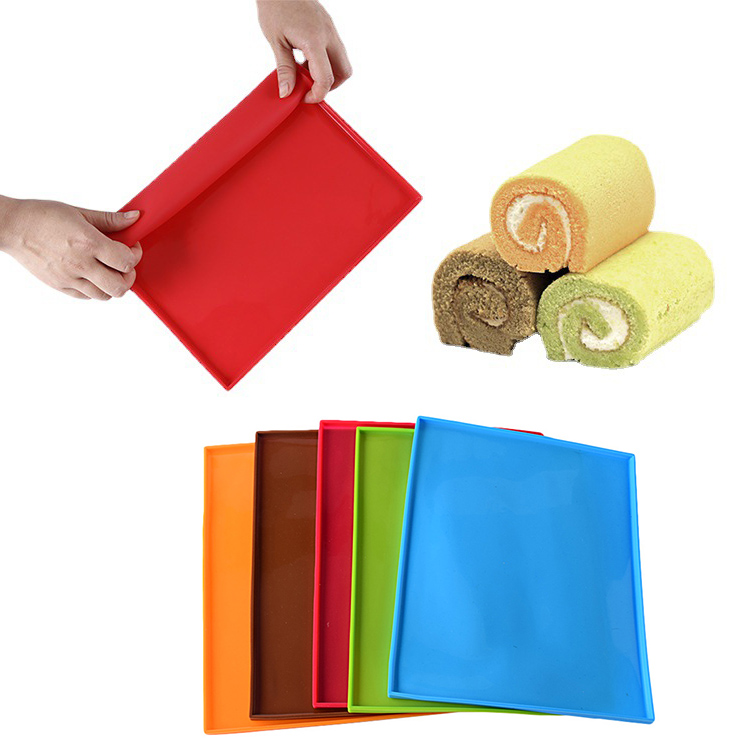
If you enjoy baking at home, you know how convenient a good silicone baking mat can be. From cookies to roasted vegetables to dough kneading, it offers a reusable, eco-friendly alternative to parchment paper.
A common question many bakers ask is: Can silicone baking mats go in the dishwasher?
The answer is yes—but there are a few things you should know to keep your mat clean, safe, and long-lasting. Let’s take a look.
A common question many bakers ask is: Can silicone baking mats go in the dishwasher?
The answer is yes—but there are a few things you should know to keep your mat clean, safe, and long-lasting. Let’s take a look.
can silicone baking mats go in the dishwasher

If you love cooking, you probably appreciate the comfort and convenience that silicone utensils bring to your kitchen. From flexible spatulas to heat-resistant spoons, they make stirring, flipping, and mixing much easier. But when it’s time to clean up, one question often comes up: Are silicone utensils dishwasher safe?
The short answer — yes! But let’s take a closer look at why silicone utensils are not only safe for dishwashers but also one of the smartest choices for a modern kitchen.
The short answer — yes! But let’s take a closer look at why silicone utensils are not only safe for dishwashers but also one of the smartest choices for a modern kitchen.
are silicone utensils dishwasher safe
SEND MESSAGE