
when do babies start growing teeth
2025-07-18
When Do Babies Start Growing Teeth? A Guide for New Parents
One of the most common questions new parents ask is, “When will my baby start growing teeth?” It’s a milestone that brings excitement and a touch of nervousness—after all, those tiny pearly whites mark a big step in their development. Let’s break down what to expect, from the first tooth to the full set of baby teeth.
The Typical Timeline: When Teeth Usually Start to Erupt
Most babies begin growing their first teeth between 6 and 10 months of age. The lower front teeth (central incisors) are usually the first to make an appearance, followed by the upper front teeth a few weeks or months later. By the time a baby turns 1 year old, it’s common to see 2 to 4 teeth in their mouth. at this time ,you could order our silicone finger toothbrush ,it 's professional designed and used for baby . can clean the teeth better .
By 18 months, many toddlers have 8 to 12 teeth, including incisors, canines, and the first molars. The full set of 20 baby teeth typically arrives by the age of 3. Of course, this is just a general timeline—every baby is different, and some may start growing teeth earlier or later than average.

Early Bloomers and Late Starters
Some babies start growing teeth as early as 3 months, while others may not get their first tooth until 14 months or even later. Both scenarios are usually normal. Premature babies might start teething a bit later than their full-term peers, as their development timeline is often adjusted based on their due date.
If your baby hasn’t started growing any teeth by 18 months, it’s a good idea to mention it to their pediatrician. In rare cases, delayed teething can be a sign of underlying issues, but most of the time, it’s simply a result of genetics—if you or your partner teethed late, your baby might too.
Signs That Teething Is Starting
Even before you see a tooth, your baby may show signs that they’re starting to grow teeth. These can include increased drooling, swollen or tender gums, fussiness, and a strong urge to chew on objects ( You could order our below silicone baby theeth ,like teething rings to your baby ,it can reduece the restless). Some babies also experience mild fever, diaper rash, or disrupted sleep during teething, though experts debate how directly these symptoms are linked to tooth eruption.

Caring for Those New Teeth
Once your baby starts growing teeth, it’s time to begin a simple oral care routine. Wipe their gums with a clean, damp cloth after feedings, and once teeth appear, use a small, soft-bristled toothbrush with a tiny amount of fluoride toothpaste (about the size of a grain of rice) to brush them gently twice a day.

Avoid putting your baby to bed with a bottle of milk, formula, or juice, as the sugars can sit on their teeth and cause decay—even before all their teeth have grown in.
Celebrate the Milestone
Watching your baby start growing their first teeth is a special moment. Those tiny, sharp edges may feel surprising at first (especially during breastfeeding!), but they’re a sign that your little one is growing and developing just as they should.
Remember, every baby’s teething journey is unique. Whether your baby starts growing teeth early, late, or right on schedule, it’s all part of their individual path. If you have concerns, don’t hesitate to talk to your pediatrician—they can reassure you and make sure everything is on track.
when do babies get their first teeth
when do babies get their first teeth
Related Article

When your baby starts to switch to solid food, choosing the right feeding tools is an important part of keeping meal times safe, healthy and stress-free. Among all the essential items for baby feeding, silicone baby bowls have quickly become the favorite of modern parents around the world.But why is it so important to choose the right silicone baby bowl? So how should parents screen?Let's get started.
Why choosing the right silicone baby bowl is so important

Choosing the right cup for your baby is frustrating for many new parents. From safety to durability to ease of cleaning, every detail is related to the product your baby uses every day. In recent years, silicone baby cups have become increasingly popular among parents around the world. But are they really better than traditional glasses? How do you choose the right one for your child?This guide will tell you everything you need to know.
How to Choose a Suitable Silicone Cup for Your Baby
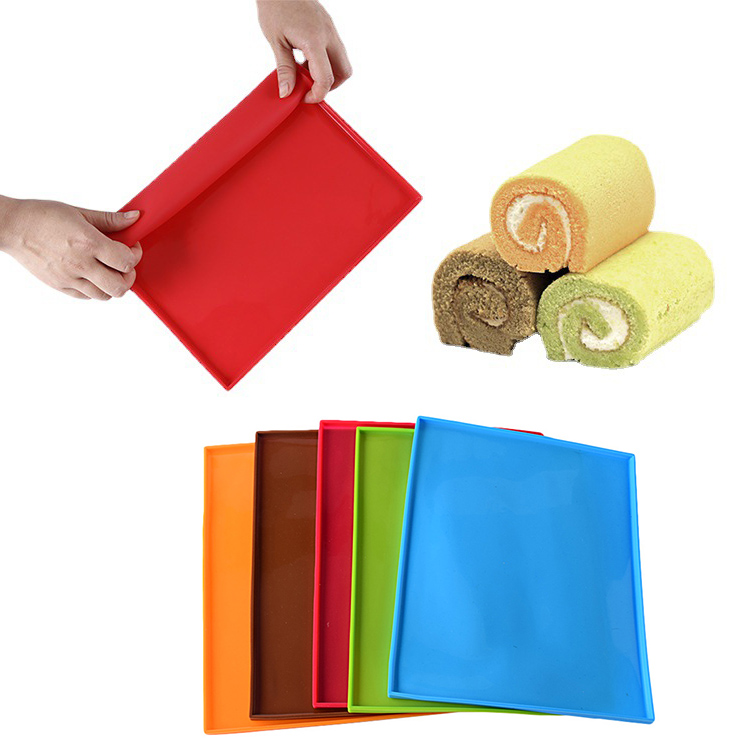
If you enjoy baking at home, you know how convenient a good silicone baking mat can be. From cookies to roasted vegetables to dough kneading, it offers a reusable, eco-friendly alternative to parchment paper.
A common question many bakers ask is: Can silicone baking mats go in the dishwasher?
The answer is yes—but there are a few things you should know to keep your mat clean, safe, and long-lasting. Let’s take a look.
A common question many bakers ask is: Can silicone baking mats go in the dishwasher?
The answer is yes—but there are a few things you should know to keep your mat clean, safe, and long-lasting. Let’s take a look.
can silicone baking mats go in the dishwasher

If you love cooking, you probably appreciate the comfort and convenience that silicone utensils bring to your kitchen. From flexible spatulas to heat-resistant spoons, they make stirring, flipping, and mixing much easier. But when it’s time to clean up, one question often comes up: Are silicone utensils dishwasher safe?
The short answer — yes! But let’s take a closer look at why silicone utensils are not only safe for dishwashers but also one of the smartest choices for a modern kitchen.
The short answer — yes! But let’s take a closer look at why silicone utensils are not only safe for dishwashers but also one of the smartest choices for a modern kitchen.
are silicone utensils dishwasher safe
SEND MESSAGE