
when do babies start playing with toys
2025-07-10
When do Babies Start Playing with Toys
Watching a baby discover the world through play is one of parenthood’s sweetest joys. But when exactly do babies start interacting with toys? The answer might surprise you—play begins earlier than you think. As a manufacturer of silicone baby toys, we’re breaking down the stages of baby play and how our toys support each step.

From Reflexes to Intentional Play: The Timeline
Babies start engaging with their surroundings from day one, and toys play a role in every stage:
-
0–3 Months: It begins with reflexes. Newborns might swat at a dangling toy or grasp a soft object placed in their hand. High-contrast silicone toys (like our black-and-white sensory balls) catch their developing eyes, encouraging them to focus and track movement.
-
3–6 Months: Intentional play emerges. Babies start reaching for toys, bringing them to their mouths, and shaking items to hear sounds. Silicone teething toys with different textures (think bumpy, smooth, or ridged) are perfect here—they’re safe to chew and help explore touch.
-
6–9 Months: Exploration takes off. Babies bang toys together, drop them to watch what happens, and transfer objects between hands. Our silicone stacking cups or shape sorters fit small palms, promoting coordination and curiosity.
-
9–12 Months: Problem-solving begins. They might stack rings, fit shapes into a sorter, or mimic actions (like “talking” into a toy phone). Silicone toys with simple cause-and-effect features (such as our squeeze toys that make a soft sound) keep them engaged.

Why Silicone Toys Shine at Every Stage
Our silicone baby toys are designed to grow with your baby, matching their developing skills and needs:
-
Safety for Early Explorers: For babies who mouth everything (0–6 months), our 100% food-grade silicone is non-toxic, BPA-free, and soft enough to avoid harm. No sharp edges, no small parts—just safe, satisfying play.
-
Sensory Stimulation: Different textures, colors, and squishy sensations (our silicone toys are flexible yet durable) cater to babies’ growing senses. A 4-month-old might love the feel of a bumpy silicone ball, while a 9-month-old explores how our silicone blocks stack and topple.
-
Durability for Active Play: As babies get more mobile (6+ months), toys take a beating. Silicone withstands drops, squeezes, and chews, so our toys last through teething, crawling, and beyond.
-
Easy to Clean, Always Ready: From spit-up to drool, baby toys get messy. Our silicone toys wipe clean in seconds or go in the dishwasher, ensuring they’re always ready for the next play session.

The Magic of “Play” in Development
Play isn’t just fun—it builds brains. Grasping a silicone toy strengthens fine motor skills; tracking a moving toy boosts vision; exploring textures enhances sensory processing. Even “simple” play (like a 2-month-old batting at a silicone rattle) lays the groundwork for future skills like hand-eye coordination and problem-solving.

In Short
Babies start playing with toys from birth, and their interaction deepens as they grow. Our silicone baby toys are crafted to meet them at every stage—safe for mouthing, stimulating for curious minds, and tough enough for tiny adventurers. Because the best toys aren’t just played with—they grow with your baby, step by step.
how to disinfect baby toys
how to wash baby toys
Related Article

When your baby starts to switch to solid food, choosing the right feeding tools is an important part of keeping meal times safe, healthy and stress-free. Among all the essential items for baby feeding, silicone baby bowls have quickly become the favorite of modern parents around the world.But why is it so important to choose the right silicone baby bowl? So how should parents screen?Let's get started.
Why choosing the right silicone baby bowl is so important

Choosing the right cup for your baby is frustrating for many new parents. From safety to durability to ease of cleaning, every detail is related to the product your baby uses every day. In recent years, silicone baby cups have become increasingly popular among parents around the world. But are they really better than traditional glasses? How do you choose the right one for your child?This guide will tell you everything you need to know.
How to Choose a Suitable Silicone Cup for Your Baby
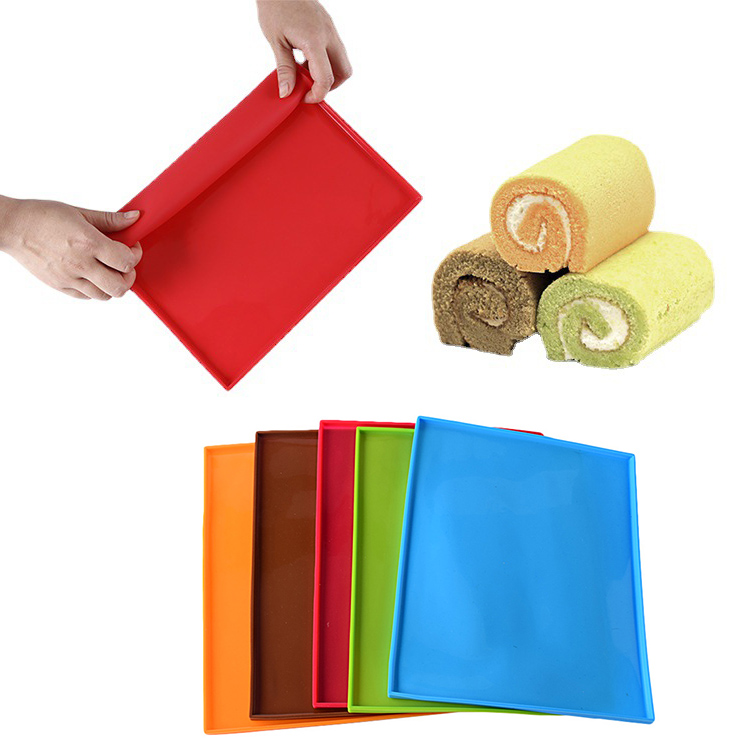
If you enjoy baking at home, you know how convenient a good silicone baking mat can be. From cookies to roasted vegetables to dough kneading, it offers a reusable, eco-friendly alternative to parchment paper.
A common question many bakers ask is: Can silicone baking mats go in the dishwasher?
The answer is yes—but there are a few things you should know to keep your mat clean, safe, and long-lasting. Let’s take a look.
A common question many bakers ask is: Can silicone baking mats go in the dishwasher?
The answer is yes—but there are a few things you should know to keep your mat clean, safe, and long-lasting. Let’s take a look.
can silicone baking mats go in the dishwasher

If you love cooking, you probably appreciate the comfort and convenience that silicone utensils bring to your kitchen. From flexible spatulas to heat-resistant spoons, they make stirring, flipping, and mixing much easier. But when it’s time to clean up, one question often comes up: Are silicone utensils dishwasher safe?
The short answer — yes! But let’s take a closer look at why silicone utensils are not only safe for dishwashers but also one of the smartest choices for a modern kitchen.
The short answer — yes! But let’s take a closer look at why silicone utensils are not only safe for dishwashers but also one of the smartest choices for a modern kitchen.
are silicone utensils dishwasher safe
SEND MESSAGE