
when do babies start to feed themselves with a spoon
2025-08-14
When do Babies Start to Feed Themselves with a Spoon?
Many parents are very fond of observing their babies' eating process, which is both cute and a bit confusing - especially when your little one starts to show interest in eating by themselves. Because this indicates that the child is becoming increasingly independent and coordinated. But when exactly do babies start using spoons? How can you support them in this process?
The Timeline: When Babies Begin to Explore Self-Feeding
-
Around 6 to 9 months old, most babies start to show curiosity about the tableware you use. When you feed them, they might grab your spoon or try to take food from the high chair tray by hand. This means they are ready to start exploring self-feeding, even if their first attempt is chaotic.
-
Between 10 and 12 months old, many babies can hold a spoon (usually with both hands at first) and start scooping small amounts of food. Although this process is clumsy - you may find that there is more food on their faces, hair or the floor than in their mouths - it is all part of the learning process.
-
By the age of 18 months, most young children have mastered the trick of using a spoon, which is easier to control and less confusing. Remember, every baby has their own pace of development. The key is to be patient, encourage their efforts, and provide appropriate tools to make the process easier.

Product Spotlight: Silicone Infant Spoons
When your baby starts to explore self-feeding, the type of spoon you choose will make a difference to the world. A spoon that is too hard, too heavy or too large will make your baby feel frustrated and less interested in trying again. This is why we are excited to introduce our silicone baby spoons to you - the perfect companion for your baby's self-feeding journey. These spoons are carefully designed according to the needs of babies, combining safety, comfort and functionality to help them master this important skill.
Key Benefits:
-
Heat Resistant: Can handle temperatures from -40℃ to 230℃, safe for hot or cold foods
-
Quick-Drying & Hygienic: Prevents moisture buildup, reducing bacterial growth
-
100% Food-Grade Silicone: BPA-free, non-toxic, and safe for your baby’s health
-
Soft & Gentle Texture: Protects delicate gums and developing teeth

-
Lightweight & Easy to Hold: Perfect for tiny hands learning to grip
-
Insulated Handle: Comfortable to hold, even with warm foods
-
Durable & Easy to Clean: Withstands daily use and is dishwasher-safe
These spoons are not just utensils — they’re learning tools that help your baby build confidence at the table.

The Final Idea
Every baby's self-feeding journey is unique. It is important that parents be patient, encourage them and ensure that they have safe and easy-to-use tools, such as silicone baby spoons, to guide them. With the right tools and daily persistence, your baby will soon be able to eat by themselves with confidence - you have another milestone worth celebrating.
how to make french fries air fryer
is silicone cooking utensils safe
Related Article

When your baby starts to switch to solid food, choosing the right feeding tools is an important part of keeping meal times safe, healthy and stress-free. Among all the essential items for baby feeding, silicone baby bowls have quickly become the favorite of modern parents around the world.But why is it so important to choose the right silicone baby bowl? So how should parents screen?Let's get started.
Why choosing the right silicone baby bowl is so important

Choosing the right cup for your baby is frustrating for many new parents. From safety to durability to ease of cleaning, every detail is related to the product your baby uses every day. In recent years, silicone baby cups have become increasingly popular among parents around the world. But are they really better than traditional glasses? How do you choose the right one for your child?This guide will tell you everything you need to know.
How to Choose a Suitable Silicone Cup for Your Baby
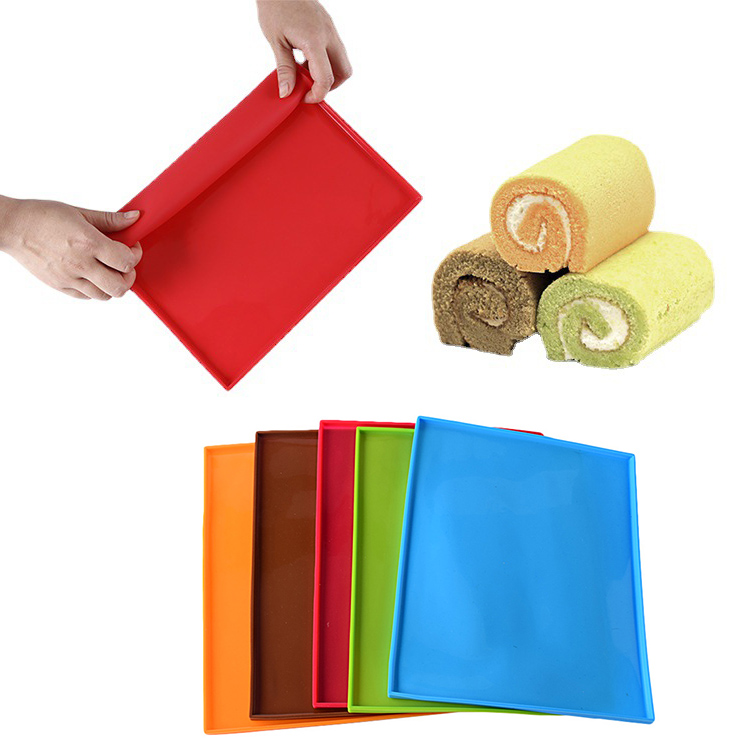
If you enjoy baking at home, you know how convenient a good silicone baking mat can be. From cookies to roasted vegetables to dough kneading, it offers a reusable, eco-friendly alternative to parchment paper.
A common question many bakers ask is: Can silicone baking mats go in the dishwasher?
The answer is yes—but there are a few things you should know to keep your mat clean, safe, and long-lasting. Let’s take a look.
A common question many bakers ask is: Can silicone baking mats go in the dishwasher?
The answer is yes—but there are a few things you should know to keep your mat clean, safe, and long-lasting. Let’s take a look.
can silicone baking mats go in the dishwasher

If you love cooking, you probably appreciate the comfort and convenience that silicone utensils bring to your kitchen. From flexible spatulas to heat-resistant spoons, they make stirring, flipping, and mixing much easier. But when it’s time to clean up, one question often comes up: Are silicone utensils dishwasher safe?
The short answer — yes! But let’s take a closer look at why silicone utensils are not only safe for dishwashers but also one of the smartest choices for a modern kitchen.
The short answer — yes! But let’s take a closer look at why silicone utensils are not only safe for dishwashers but also one of the smartest choices for a modern kitchen.
are silicone utensils dishwasher safe
SEND MESSAGE